
I’ve styled and researched enough slick back ponytails to know exactly which techniques hold flyaways down through a full workday, and which ones look great for the first ten minutes before frizz takes over. That real, tested experience is exactly what I’m bringing into this guide, so you’re getting more than just a list of nice photos.
So what is a slick back ponytail hairstyle? A slick back ponytail is a hairstyle where hair is smoothed flat against the head using gel or pomade, then gathered and secured into a ponytail at any height, creating a sleek, polished finish with minimal texture or volume at the roots.
Keep reading and I’ll walk through all 16 variations, plus which products actually keep flyaways down, how to pick the right height and placement for your face shape, and the small mistakes that turn a sleek look greasy or patchy by midday.
Why the Slick Back Ponytail Never Goes Out of Style
Ever notice how a slick back ponytail instantly makes an outfit look more intentional? There’s something about that clean, smoothed silhouette that reads as confident and polished without requiring hours of work. Part of the appeal is how adaptable it is — the exact same base technique can look edgy and modern with a high ponytail and bold makeup, or soft and romantic with a low, wrapped version and loose face-framing pieces.
The other reason this style has stuck around for decades is practicality. It keeps hair completely off your face and neck, works through workouts, humid weather, and long days, and it doesn’t require a huge product collection or advanced skill to pull off well. I’ve broken these 16 variations down by height, texture, and occasion, along with the product techniques that actually keep them looking sharp rather than crunchy or greasy. Let’s get into the styles.
16 Slick Back Ponytail Hairstyles to Try Next
1. Classic High Slick Back Ponytail
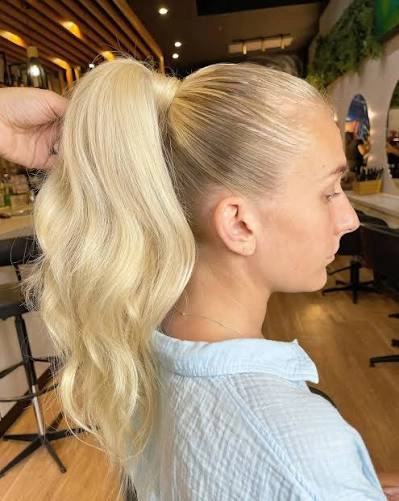
This is the foundational version of the style and the one most people picture first — hair smoothed completely flat and gathered high on the crown for a bold, lifted silhouette. The core technique relies on a strong-hold gel applied to damp hair, combed through thoroughly before securing, since any leftover texture will show once the ponytail is pulled tight. This style pairs beautifully with bold earrings or a statement necklace since it keeps your neckline fully exposed. My practical tip: use a fine-tooth comb rather than a brush for the initial smoothing, since combs create a flatter, glossier finish than brush bristles. This look suits modern, minimalist styling and solves the problem of wanting a bold, confident hairstyle that takes only a few minutes to achieve.
2. Low Slick Back Ponytail
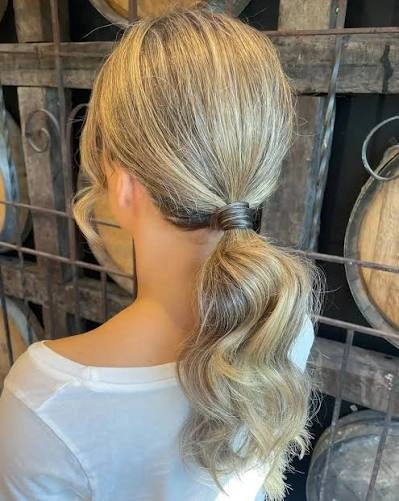
The low version trades the boldness of a high ponytail for a softer, more elegant finish, positioning the gathered hair at the nape of the neck instead of the crown. This placement tends to look more sophisticated and works especially well for formal or professional settings. The technique still relies on thorough smoothing, but the lower placement is often more forgiving of slight imperfections since it’s viewed from behind rather than in profile. A useful tip: wrap a small section of hair around the base elastic to hide it completely for an extra-polished finish. This style suits traditional and formal settings alike, and it solves the challenge of wanting a sleek look that reads as elegant rather than sporty.
3. Mid-Height Slick Back Ponytail
Sitting between the high and low versions, the mid-height ponytail offers a balanced look that works for almost any occasion without leaning too dramatic or too formal. The placement, roughly at the back of the head between the crown and the nape, tends to be the most universally flattering option since it doesn’t pull the face as dramatically as a high ponytail or sit as low-key as a nape-level one. My tip: this height is the most forgiving for beginners since slight placement errors are less noticeable than with the higher or lower versions. This style works for office settings, casual days, and everything in between, solving the common indecision between “too edgy” and “too formal.”
4. Braided Slick Back Ponytail
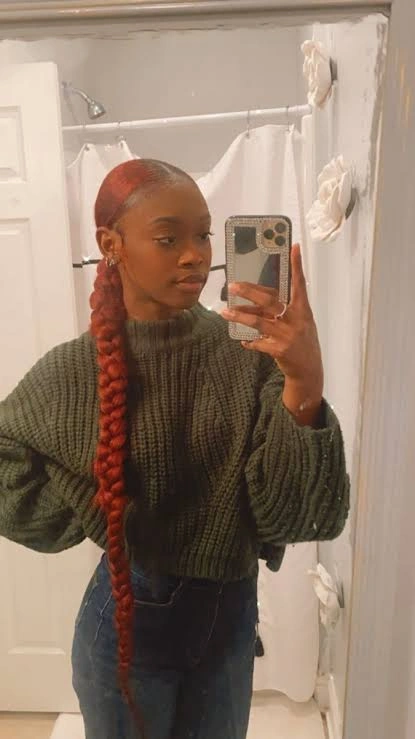
Adding a braid to the smoothed base takes this style from simple to detailed, either braiding the ponytail itself once gathered or incorporating a braid along the hairline before pulling everything back. The contrast between the flat, glossy front section and the textured braid creates visual interest without sacrificing the overall sleekness. A practical tip: braid the ponytail while it’s still slightly damp from the gel application for a smoother, cleaner braid pattern. This style suits both casual and dressy occasions depending on the braid’s complexity, and it solves the desire for a slick ponytail with a bit more personality than the completely plain version.
5. Bubble Slick Back Ponytail
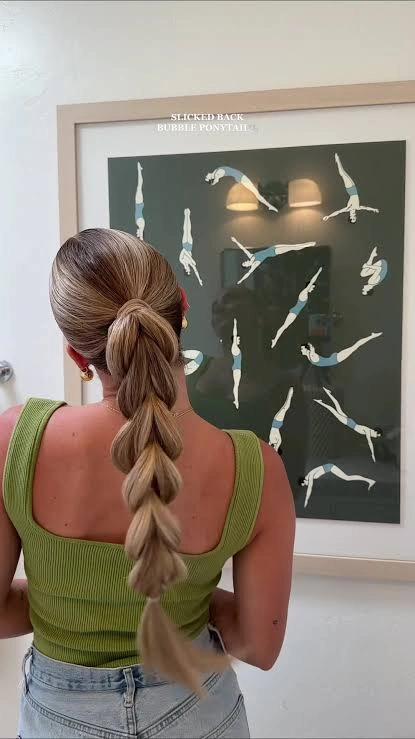
The bubble technique adds small hair ties at intervals down the length of the ponytail, gently pulling the sections between each tie to create rounded “bubble” shapes. Combined with a fully slicked-back base, this creates a striking contrast between the smooth front and the segmented, sculptural ponytail. A useful tip: use clear elastics for the bubbles so they stay virtually invisible against your hair color, keeping the focus on the bubble shapes themselves. This style suits events, dressier occasions, and anyone wanting a slick ponytail that looks a bit more elevated than the standard version, and it solves the challenge of wanting extra visual detail without breaking from the sleek aesthetic.
6. Slicked Baby Hairs Ponytail
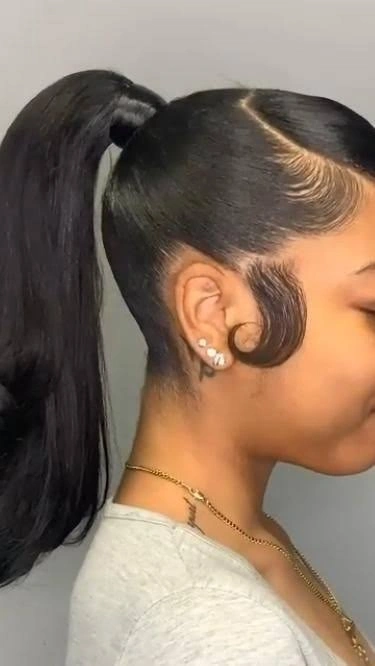
This variation focuses specifically on styling the fine, short hairs along the hairline into deliberate, swirled patterns using a strong-hold gel and a small brush, often called an edge brush or toothbrush. The technique requires precision and a bit of patience, working in small sections along the front hairline to create clean waves or swirls. A practical tip: use a small amount of gel on a clean toothbrush rather than your fingers for far more control over the fine hairline hairs. This detail-focused style suits bold, editorial-inspired looks and solves the common frustration of baby hairs sticking up or frizzing out no matter how much the rest of the ponytail is slicked.
7. Deep Side Part Slick Back Ponytail
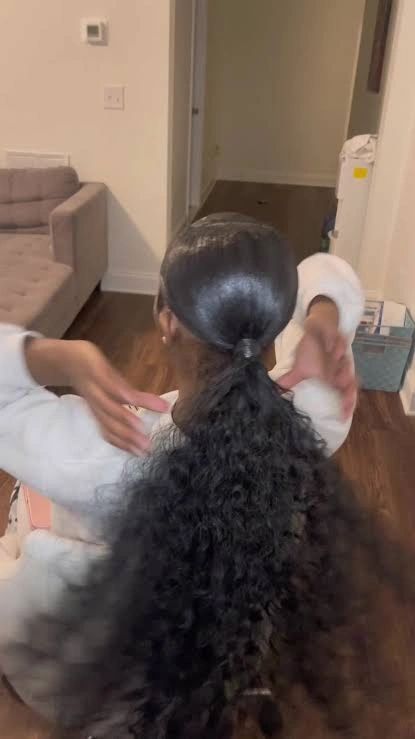
Adding a deep side part to the slicked-back base creates asymmetry and a slightly more dramatic, editorial finish compared to a straight-back or center-parted version. The technique involves parting hair deeply to one side before smoothing everything back, which creates a subtle wave or dip near the part line even once fully slicked. My tip: use a rat-tail comb to create a crisp, deep part before applying gel, since trying to adjust the part after the gel is in makes for a messier result. This style suits fashion-forward looks and photography especially well, and it solves the desire for a slick ponytail with more dimension than the flat, straight-back default.
8. Wrapped Slick Back Ponytail
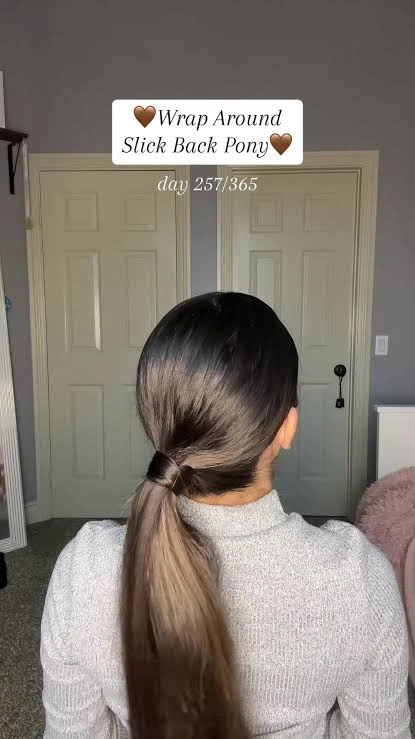
This style takes the base elastic and completely conceals it by wrapping a small section of hair around the base, secured underneath with a bobby pin, creating a smooth, seamless transition from head to ponytail. It’s a small detail that makes a noticeable difference in how polished the overall look reads. A practical tip: use a slightly thicker section for the wrap if your hair is fine, since a too-thin wrap can look sparse or reveal the elastic underneath. This style suits weddings, formal events, and any occasion where every detail matters, and it solves the common complaint of a visible elastic ruining an otherwise sleek, expensive-looking ponytail.
9. Slick Back Ponytail with Bangs
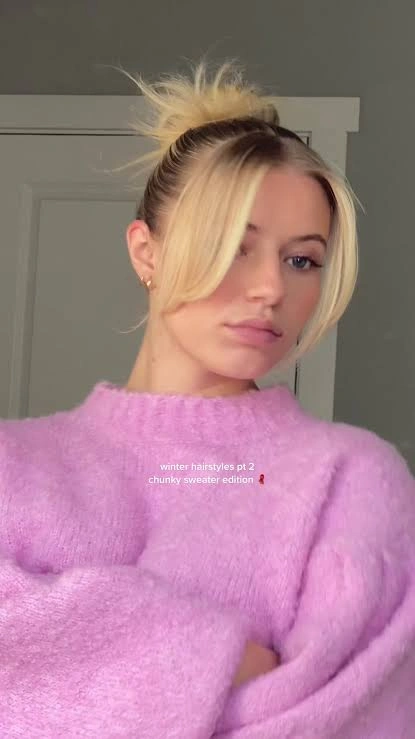
For anyone with bangs, this version incorporates them into the overall look rather than pulling everything back uniformly, either leaving bangs loose and styled separately or sweeping them to one side. The contrast between the smoothed-back sections and soft, framing bangs adds dimension to the face. A useful tip: style and set the bangs before gelling the rest of the hair back, since working around already-styled bangs is easier than adjusting them afterward. This style works for casual and dressy occasions alike and solves the bangs dilemma of wanting a slick ponytail without looking severe or exposing your entire forehead.
10. Textured Slick Back Ponytail
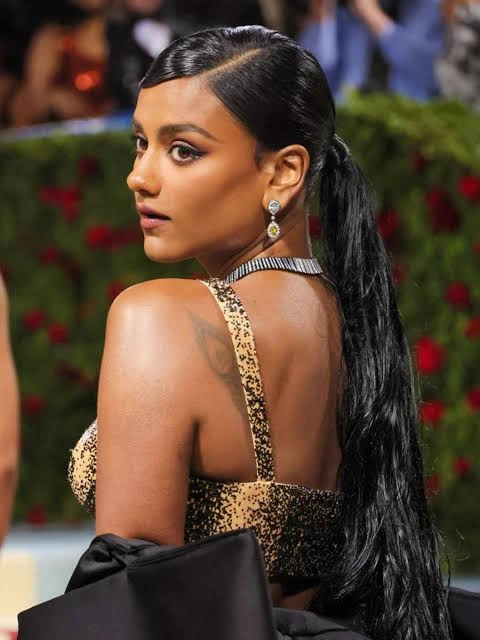
Rather than a completely flat, glass-like finish, this version keeps the surface smooth but preserves some natural texture and movement in the ponytail itself, using a lighter-hold product instead of a maximum-hold gel. This creates a softer, more modern take on the classic slick look, appearing effortless rather than severely polished. My tip: apply a lightweight styling cream instead of gel for this version, since gel tends to create too flat and rigid a finish for the textured effect you’re going for. This style suits casual, everyday wear and solves the problem of wanting a slicked-back look that doesn’t feel overly formal or stiff.
11. Slicked Waves Ponytail
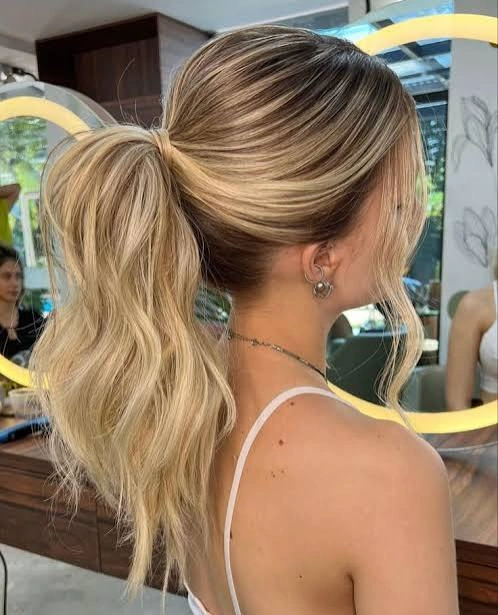
This variation smooths the front section flat against the head while allowing the length of the ponytail to fall in loose waves rather than pin-straight strands. The combination of a sleek, controlled base with soft, wavy ends creates a balanced look that works for both day and evening settings. A practical tip: curl the ponytail after it’s already secured, working in sections from the elastic down, for waves that look intentional rather than an afterthought. This style suits date nights and semi-formal events particularly well, and it solves the desire for a slick ponytail that isn’t completely flat and one-dimensional from root to tip.
12. Double Slick Back Ponytails

Splitting hair into two ponytails instead of one, positioned symmetrically at the back or sides of the head, creates a youthful, slightly edgier variation on the classic style. Both sections get the same smoothing and gelling treatment for a cohesive, polished look across both ponytails. My tip: use a center part as your guide when sectioning hair into two even halves, since an off-center split will make the two ponytails look mismatched. This style suits casual, trend-forward looks and solves the challenge of wanting something a bit more distinctive than a single, centered ponytail.
13. Long Extension Slick Back Ponytail

For anyone wanting extra length and drama, clip-in or sewn-in ponytail extensions attach at the base of a slicked-back ponytail, adding significant length without requiring your natural hair to grow. This technique is popular for red carpet-style looks and special events where a long, sweeping ponytail makes a statement. A practical tip: choose an extension that matches not just your hair color but also your hair’s texture, since a mismatched texture will show at the point where your natural hair meets the extension. This style suits formal events and photoshoots especially well, and it solves the problem of wanting a dramatically long ponytail without waiting years for natural growth.
14. Bow-Wrapped Slick Back Ponytail
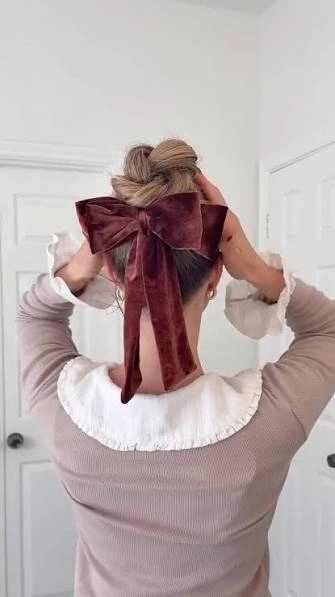
Adding a fabric bow or ribbon around the base of a slicked-back ponytail brings a playful, sometimes retro-inspired detail to an otherwise simple style. The technique involves securing the ponytail as usual, then wrapping a ribbon or bow accessory around the base to conceal the elastic entirely. My tip: choose a ribbon that complements rather than exactly matches your outfit, since an exact match can look overly coordinated rather than intentionally stylish. This style suits both casual, feminine looks and dressier occasions depending on the ribbon’s fabric and formality, and it solves the desire for a slick ponytail with a distinctive, personalized accessory touch.
15. Cornrow-Base Slick Back Ponytail
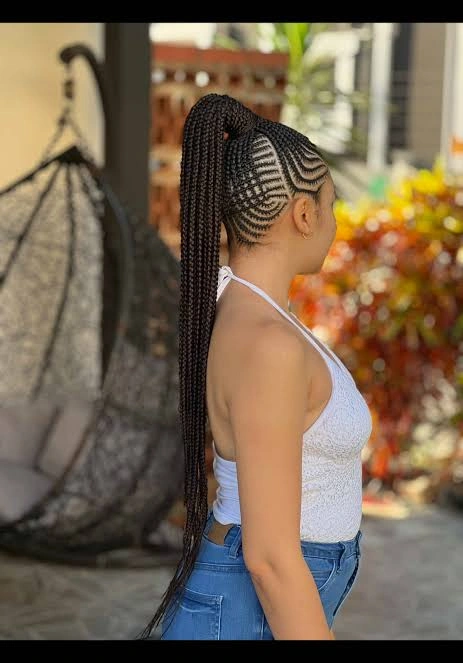
This version replaces simple gel-smoothing with small, tight cornrows leading back into the ponytail, creating a longer-lasting style that holds its sleek shape for days rather than hours. The cornrow base is particularly popular for thicker or coilier hair textures that struggle to stay smoothed with gel alone. A practical tip: have a professional braider install the cornrow base if you’re not experienced with braiding, since uneven rows will show clearly once slicked back. This style suits active lifestyles and extended wear, and it solves the common challenge of textured hair not holding a slicked look through a workout, humidity, or multiple days of wear.
16. Curly Slick Back Ponytail
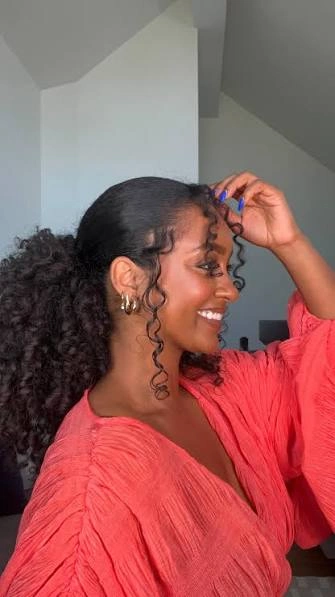
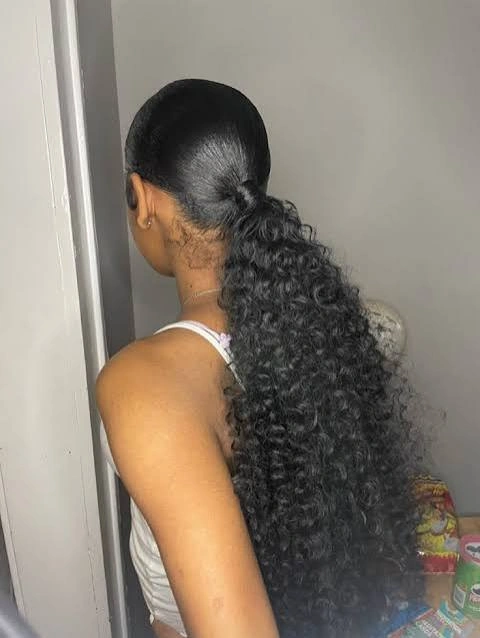
Rather than fighting natural curl pattern with heat, this version smooths only the front section and crown while leaving the ponytail itself in its natural curly or coily texture, creating contrast between the sleek top and voluminous curls below. The technique focuses gel application specifically at the roots and hairline, working with a denman brush or edge brush, while leaving the rest of the length untouched by heat or heavy product. My tip: apply a curl-defining cream to the ponytail section before securing it, separate from the gel used on the smoothed top, so the curls stay defined rather than getting weighed down. This style celebrates natural texture and solves the frustration many curly-haired people face of feeling like a slick ponytail always requires flattening their natural curl pattern.
Slick Back Ponytail Styles by Occasion
Picking the right variation for the right setting makes a real difference. Use this table to quickly match a style to your plans.
Occasion and Style Guide
| Occasion | Recommended Styles | Why It Works |
|---|---|---|
| Everyday or casual wear | Mid-height slick back, textured slick back ponytail | Comfortable, low-effort, still looks put-together |
| Office or professional settings | Low slick back ponytail, wrapped slick back ponytail | Polished and understated, holds through a long day |
| Date night or evening out | Slicked waves ponytail, deep side part slick back | Adds softness and dimension without losing sleekness |
| Formal events or weddings | Long extension slick back, bow-wrapped slick back | Elevated details suited to dressier settings |
| Active or athletic days | Cornrow-base slick back, classic high slick back | Secure, long-lasting, holds up through movement |
Product and Technique Comparison
The right product makes or breaks a slick back ponytail. Here’s a breakdown of what actually works for different hair types and desired finishes.
Product Guide by Hair Type and Finish
| Hair Type | Recommended Product | Hold Level | Best Finish |
|---|---|---|---|
| Fine, straight hair | Light gel or mousse | Medium | Glossy, smooth |
| Thick, straight hair | Strong-hold gel | Maximum | Ultra-sleek, glass-like |
| Wavy hair | Styling cream or light gel | Medium | Textured slick |
| Curly or coily hair | Edge control gel (roots only) | Maximum at roots | Sleek crown, natural curl length |
| Color-treated hair | Alcohol-free gel or cream | Medium | Smooth without excess drying |
Common Mistakes and How to Avoid Them
Even a simple slick back ponytail can go wrong without the right technique. Here are the mistakes I see most often, and how to avoid each one.
Using too much product at once : Overloading hair with gel creates a stiff, crunchy finish rather than a smooth, glossy one. Apply in thin layers, adding more only if flyaways remain.
Applying product to dry hair : Gel and pomade distribute far more evenly on damp hair. Applying to fully dry strands often leads to patchy application and visible product buildup.
Skipping the setting spray : Without a light mist of hairspray after smoothing, flyaways tend to reappear within an hour or two, especially in humid conditions. A finishing spray locks the style in place.
Positioning the ponytail without checking from multiple angles : A ponytail that looks centered from the front can be crooked from the back. Check placement in a mirror from several angles before fully securing it.
Ignoring your hairline pattern : Everyone’s hairline grows in a slightly different direction, and fighting against that pattern with excessive gel often creates more frizz, not less. Work with the natural direction of growth near your temples and part.
Choosing the wrong elastic : A thin or low-quality elastic can snap under the tension of a tightly slicked ponytail or leave a visible dent. Use a sturdy, fabric-covered elastic for both comfort and hold.
Similar Variations Worth Exploring
If none of these 16 styles feel like the exact fit, these related variations offer a similar mood with a slightly different execution.
- Slicked-back top knot — the same smoothing technique, but gathered into a bun instead of a hanging ponytail.
- Half-up slick back — only the crown section is smoothed and gathered, with the rest of the hair left loose or textured.
- Slicked ponytail with a claw clip — a modern alternative to elastics, using a claw clip to secure the gathered hair instead.
- Slicked side ponytail — the ponytail is gathered off to one side rather than centered at the back.
- Slicked ponytail with a headband — a decorative headband replaces the deep side part, adding structure at the hairline.
Hair Care Tips for Slick Back Ponytail Hairstyles
Keeping this style looking sharp — and keeping your hair healthy underneath it — comes down to a few consistent habits.
- Use a lightweight, non-drying gel or cream. Heavy alcohol-based products can dry out your hair and scalp with frequent use, so look for water-based or alcohol-free formulas.
- Avoid pulling the ponytail too tight. Constant tension at the hairline, especially with daily wear, can contribute to hair thinning over time along the front edges.
- Rotate the ponytail’s height and position. Wearing the exact same tight ponytail every single day increases stress on the same hairline section, so switching between high, low, and mid placements gives your hairline a break.
- Moisturize your scalp regularly. Gel and pomade can build up at the roots over time, so a gentle scalp scrub or clarifying shampoo once a week helps prevent buildup and itching.
- Protect your hair at night. A satin or silk pillowcase and a loose, low ponytail (or none at all) while sleeping reduces friction and breakage.
- Deep condition often. The smoothing process and frequent product use can be drying, so a weekly deep conditioning treatment keeps hair healthy underneath the sleek finish.
Final Thoughts
A slick back ponytail hairstyle earns its lasting popularity by being genuinely versatile — the same core technique adapts to casual mornings, professional settings, date nights, and formal events depending on the height, texture, and details you choose. Whether you go for the classic high ponytail or a more detailed version with braids, bubbles, or extensions, the right product and a bit of technique make the difference between a look that lasts all day and one that frizzes out by noon.
I hope this guide gave you a clear sense of which slick back ponytail hairstyle actually fits your hair type, your schedule, and your plans, along with the product and technique details that most guides skip over entirely. Try one of these 16 styles next time you want a look that’s polished in minutes and holds up all day.