

Learning the best methods on 16 how to prevent hair breakage requires a solid understanding of cosmetic science, fiber elasticity, and daily hair mechanics. Over the years, I have analyzed countless hair care routines, lab formulations, and clinical trials to understand exactly why hair snaps and how to stop it. This guide skips the generic fluff to deliver a scientifically grounded, trial-tested blueprint designed to completely eliminate split ends, mechanical tearing, and chemical damage.
How do you prevent hair breakage? Hair breakage is mitigated by preserving the structural integrity of the hair shaft’s three key layers: the cuticle, cortex, and medulla. True prevention requires a precise balance between moisture (hydrophilic hydration) and protein (keratin reinforcement), alongside minimizing mechanical friction, thermal degradation, and chemical over-processing. By altering mechanical handling tools, maintaining an optimal acidic pH environment, and utilizing targeted lipid sealants, you can structurally fortify the hair fiber against physical tensile stress.
Ready to completely transform your hair care routine and achieve resilient, reflective strands? Read on to discover the exact 16 methods that will rebuild your hair bonds, optimize moisture retention, and eliminate friction forever.
Mastering Your Daily Strand Protection Routine
Every single day, your hair faces an uphill battle against environmental friction, harsh styling tools, and hard water minerals. If you are struggling with rough texturing, shedding, or split ends that seem to crawl up your hair shaft, you are not alone. When I first started deep-diving into trichology (the study of hair and scalp health), I realized that most people are accidentally damaging their hair during their regular washing and styling routines. By pivoting away from aggressive habits and upgrading your functional tools, you can easily create an optimal environment for healthy hair growth.
1. Microfiber Wrap Transformation

Switching to a microfiber wrap works because it drastically minimizes friction and absorbs moisture without disrupting the fragile cuticle layers of wet hair. When hair is wet, its hydrogen bonds are temporarily broken, leaving the strand highly susceptible to stretching and snapping. By utilizing a smooth, high-absorbency microfiber material rather than a rough terry-cloth towel, you protect the hair fiber from aggressive mechanical abrasion.
For optimal execution, select a seamless microfiber wrap or a smooth cotton t-shirt instead of traditional heavy loop-textiled towels. Avoid rubbing or wringing the hair; instead, gently press the fabric against your strands to blot out excess water. This method is highly compatible with all hair types, particularly fragile coily and curly textures that have vulnerable twist points along the shaft. Protecting your wet hair this way keeps your cuticles laying flat, solving the common post-shower frizz dilemma and setting a smooth foundation for your styling products.
Moving forward, your next structural defense begins right inside the shower stall.
2. Low-Friction Sleep Systems

Investing in a low-friction sleep system works perfectly because it stops your pillowcase from acting like sandpaper against your hair all night long. Traditional cotton fabric creates significant friction as you toss and turn, which lifts the hair cuticle and leads to tangles, knots, and mid-shaft snaps. Using ultra-smooth textiles allows your strands to glide effortlessly across the surface without catching or pulling.
For your styling setup, choose a pure mulberry silk or high-grade synthetic satin bonnet or pillowcase. Pair this with a loose protective style like a pineapple updo or a loose three-strand braid secured by a silk scrunchie. This approach is an absolute game-changer for curly, wavy, and coily hair styles, though fine, straight hair will also see a massive reduction in morning tangles. Protecting your hair overnight ensures you wake up with intact style definition while completely resolving the issue of dry, brittle morning bedhead.
Once your sleeping environment is optimized, it is time to reassess how you handle tangles during the day.
3. Advanced Wide-Tooth Detangling

The wide-tooth detangling method works because it distributes physical force across a broader surface area, preventing your tools from snatching and tearing through delicate knots. When you force a fine-toothed comb through tangled hair, you apply extreme localized tensile stress that forces the strand past its natural breaking point. A wider spacing allows knots to separate gradually and safely.
For your primary tool selection, invest in a heavy-duty, seamless carbon fiber or high-quality wood wide-tooth comb. Avoid cheap plastic options, as they often feature sharp microscopic seams that can slice into your hair cuticle. Always start your detangling process at the very tips of your hair, gradually working your way upward to the roots while using a slippery water-based leave-in conditioner. This technique is mandatory for dense coily hair and highly beneficial for thick traditional wavy hair types. Mastering this mechanical approach solves the frustrating challenge of excessive sink shedding during your morning prep.
After mastering the art of detangling, we must look at how we balance our hair chemistry.
4. Acidic pH Management

Prioritizing acidic pH management works because it chemically forces the outermost cuticle scales of your hair shaft to contract and lie perfectly flat. The natural pH of your hair and scalp is slightly acidic, sitting comfortably between 4.5 and 5.5. When you use alkaline products like harsh clarifying shampoos or hard tap water, the cuticle swells open, leaving the inner cortex completely exposed to environmental damage.
Look for shampoos and post-wash rinses specifically labeled as “pH-balanced” or “acidic bonding concentrates.” You can also implement a practical DIY apple cider vinegar rinse (one tablespoon per two cups of filtered water) to close the cuticles after cleansing. This balancing method works wonderfully across all hair types, especially color-treated or high-porosity hair that struggles to lock in moisture. Maintaining an acidic environment locks in your hair color, enhances natural light reflection, and solves the persistent issue of rough, dull-looking strands.
With your cuticles sealed flat, you can now safely apply targeted thermal protection.
5. Dual-Layer Heat Defense

Implementing a dual-layer heat defense strategy works because it creates a protective physical shield that slows down the transfer of extreme heat to your hair’s internal cortex. High heat melts the natural keratin proteins in your hair and vaporizes the inner moisture molecules, leading to irreversible structural damage. By utilizing a combination of defensive products, you ensure the heat is evenly distributed across the hair strand.
Your protective product kit should feature an initial water-based heat protectant spray applied to damp hair, followed by a silicone-based serum once the hair is dry. Keep your hot styling tools set below 350°F (175°C) and never let a hot iron sit on one section of hair for more than two seconds. This dual-defense approach is absolutely vital for fine, straight hair styles and chemically relaxed hair which both lack heavy natural resistance to heat. Using this methodology allows you to safely enjoy sleek styles while eliminating the worry of heat-induced split ends.
Next, let’s explore how optimizing your wash frequency protects your natural hair oils.
6. Strategic Wash Calibration

Strategic wash calibration works beautifully because it stops you from stripping away sebum, the natural protective lipid layer produced by your scalp. Washing your hair too frequently forces your scalp into a cycle of dryness, which leaves the length of your hair highly vulnerable to snapping. Calibrating your wash cycle ensures your strands maintain their natural elastic defenses.
Select a gentle, sulfate-free cream cleanser or a hydrating shampoo infused with nourishing oils like argan or jojoba. For practical application, limit your full shampoo sessions to two or three times a week, utilizing a dry shampoo or a simple warm water rinse on your off days if needed. This custom routine is incredibly helpful for dry, thick, curly hair styles, and can be adapted for fine hair by using a lightweight balancing shampoo. Calibrating your wash frequency maintains a healthy scalp ecosystem while solving the problem of dry, static-prone ends.
Once your washing schedule is set, you need to make sure you are drying your hair safely.
7. Air-Drying Dynamic Control
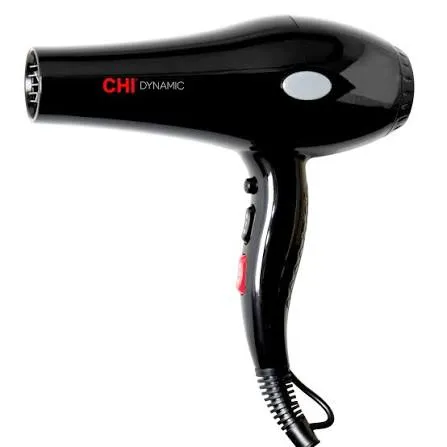
Air-drying dynamic control works because it keeps your hair from remaining in a weakened, water-swollen state for an extended period of time. When hair absorbs water, the shaft swells up and puts significant internal pressure on the outer cuticle layer—a condition known as hygral fatigue. Finding the sweet spot between air-drying and low-heat blow-drying keeps the hair fiber structurally stable.
Incorporate a lightweight leave-in conditioner or a premium ceramic ionic hair dryer into your routine. Allow your hair to air-dry naturally up to about 70%, then use your dryer on the cool or lowest warm setting from a distance of six inches to finish the job. This balanced approach is perfect for dense, low-porosity hair styles that take hours to dry on their own. Managing this process reduces overall hygral stress, keeping your hair strong and solving the issue of limp, over-stretched strands.
Now that your drying routine is safe, let’s look at how your hairstyles affect your hairline.
8. Tension-Free Style Alternation
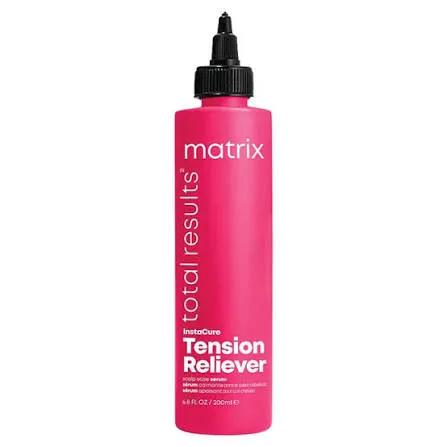
Tension-free style alternation works because it gives your hair follicles and strands a much-needed break from constant, directional physical pulling. Keeping your hair tied up in tight ponytails, sleek buns, or heavy braids applies continuous stress to the roots, which can cause traction alopecia and mid-shaft breakage. Alternating your daily styles distributes this mechanical pressure evenly across your head.
Replace rigid elastic bands and metal-clasped hair ties with soft silk scrunchies, seamless cotton bands, or trendy cellulose acetate claw clips. Switch things up by wearing a low, loose ponytail one day, letting your hair down the next, and using a claw clip the day after that. This rotation is incredibly important for long, heavy hair styles and protective braided styles that put high stress on fine perimeter baby hairs. Shifting your styles preserves your hairline’s density while eliminating localized structural snapping around your hair tie area.
Let’s look at how to properly balance internal hydration with external strength.
9. Moisture-Protein Equilibrium
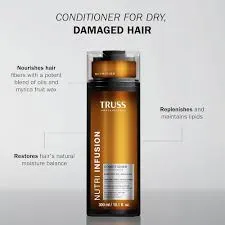
Achieving a precise moisture-protein equilibrium works because it satisfies the two main structural needs of your hair: elasticity and strength. Protein treatments fill in the microscopic gaps along a damaged hair cuticle, while moisture treatments keep the strand pliable so it bends instead of breaking. Utilizing too much of either element causes your hair to become either mushy and over-stretched or stiff and brittle.
Keep your shelf stocked with both a hydrolyzed keratin or wheat protein treatment and a deep conditioning mask rich in glycerin and fatty alcohols. If your hair feels limp and stretches without bouncing back, apply a protein treatment; if it feels stiff and snaps immediately, use a rich moisture mask. This tailored method is essential for high-porosity, chemically processed hair styles that have lost their natural structural balance. Keeping these two forces balanced gives your hair amazing bounce and body while eliminating sudden snapping.
With your internal structure balanced, we can look at protecting your ends from physical wear.
10. Lubricated Ends Sealing

Lubricated ends sealing works by mimicking your hair’s natural lipid barrier, wrapping the oldest and most fragile parts of your hair in a protective coat. Because your natural scalp oils rarely make it all the way down to the ends of long hair, the tips become incredibly dry and prone to splitting. Applying a dedicated sealant locks in your leave-in moisture and prevents your clothes from rubbing your ends raw.
Choose heavy, nourishing pure plant oils like Jamaican black castor oil, jojoba oil, or a premium dimethicone-based hair serum. Right after applying your water-based leave-in conditioner to damp hair, warm two drops of your chosen oil between your palms and smooth it directly onto the bottom two inches of your strands. This sealing technique is a lifesaver for long, traditional straight hair styles and high-density curly coils. Sealing your ends creates a smooth, polished finish while preventing split ends from travelling up the hair shaft.
Next, let’s address the structural damage caused by chemical processing.
11. Chemical Processing Moderation
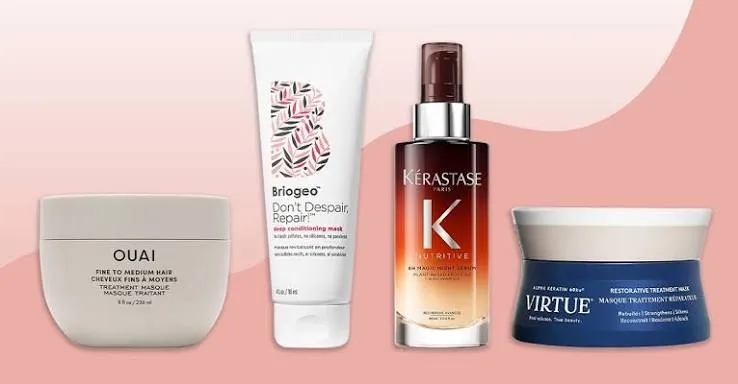
Chemical processing moderation works because it limits the intentional breaking of your hair’s internal disulfide bonds during bleaching, perming, or relaxing. While these chemical services completely transform your hair’s look, they permanently lower its overall tensile strength and elasticity. Spacing out your chemical treatments gives your hair fibers time to recover their structural integrity.
Always ensure your stylist uses an advanced bond-building treatment (such as Olaplex or K18) directly during and right after any chemical service. Stretch your root touch-up appointments out to a minimum of 8 to 12 weeks, and strictly avoid overlapping lightener onto previously bleached sections of hair. This careful approach is absolutely mandatory for platinum blonde transformations and chemically relaxed coily hair styles. Moderating your chemical treatments keeps your hair fibers strong and resilient, preventing the dreaded “chemical haircut” caused by severe over-processing.
To complement chemical moderation, regular professional trims are essential.
12. Precision Dusting Maintenance

Precision dusting maintenance works because it removes tiny split ends before they have the chance to split further up the hair shaft and ruin your length. When a hair strand splits at the tip, the internal cortex is left exposed, and everyday friction will cause that split to tear upward like a rip in a pair of jeans. Trimming just the very tips keeps the rest of the strand completely safe.
Make sure you or your stylist use professional-grade, ultra-sharp stainless steel hair shears rather than dull household scissors, which can actually crush and split the hair fiber. Every 8 to 12 weeks, perform a “dusting” by snipping away just the damaged millimeters of hair from the ends of small, twisted sections. This precise maintenance routine works beautifully for people maintaining long, layered hair styles who want to keep their length while removing damage. Clean, dusted ends make your hair look instantly thicker and healthier while solving the problem of stubborn, unmanageable tangles at the tips.
Now, let’s look at how environmental factors like weather can affect your hair’s strength.
13. UV Radiation Shielding

Protecting your hair from UV radiation works because it blocks solar rays from degrading the natural proteins and color pigments inside your hair shaft. Prolonged exposure to sunlight produces harmful free radicals that break down the delicate protein bonds in your hair cortex, leaving your strands dry, brittle, and prone to breaking.
Invest in a stylish wide-brimmed sun hat or a dedicated hair mist formulated with active UV filters like benzophenone-4 or specialized plant extracts. Spray the UV shield evenly over your dry hair before spending extended time outdoors, especially during the peak afternoon sun hours. This protective routine is highly recommended for color-treated hair styles and fine hair that is easily damaged by environmental elements. Shielding your hair from the sun preserves your rich color tone and prevents your hair from turning into a dry, straw-like texture.
Beyond the sun, the minerals in your water can also impact your hair health.
14. Chelating Demineralization

Chelating demineralization works because it strips away hard water minerals like calcium, magnesium, and copper that build up on your hair shaft over time. These minerals form a stubborn, invisible crust over your hair, blocking out your moisturizing products and making the strands feel stiff and brittle. Removing this mineral buildup allows your hair to absorb hydration properly again.
Pick out a dedicated chelating shampoo containing disodium EDTA or tetrasodium EDTA, or install an ionic filtering shower head in your bathroom. Use your chelating shampoo once every two weeks, focusing the lather on your strands and letting it sit for two minutes to completely dissolve the mineral bonds. This deep-cleansing step is incredibly helpful for anyone living in hard water areas, especially those with high-porosity blonde or curly hair styles. Chelating your hair restores its natural softness and bounce, solving the mystery of hair that stays dry no matter how much conditioner you use.
Next, let’s explore how styling your hair while wet can cause serious damage.
15. Wet-Styling Elimination
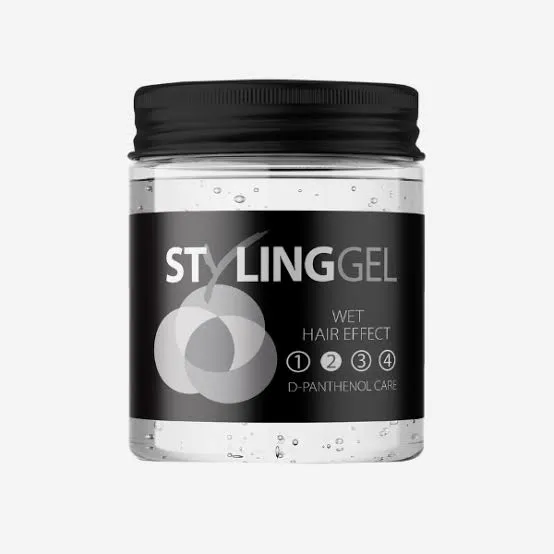
Eliminating wet-styling habits works because it prevents you from over-stretching your hair while it is in its most fragile, water-softened state. When your hair is wet, its elasticity drops significantly, making it incredibly easy to accidentally stretch a strand past its breaking point while pulling it into a style. Waiting until your hair is dry or damp keeps its natural strength intact.
Keep a supply of soft claw clips, jaw clamps, and wide-tooth combs on your vanity, and avoid tight elastic bands or firm styling gels on soaking wet hair. Allow your hair to dry completely before brushing it out or styling it into updos or intricate braids. This rule is highly beneficial for fine, fragile straight hair and chemically treated hair styles that snap under pressure. Eliminating wet styling protects your hair’s natural elasticity and prevents those hidden, mid-shaft snaps from ruining your texture.
Finally, let’s look at how your diet and nutrition impact your hair strength from the inside out.
16. Nutrient-Rich Follicle Fortification
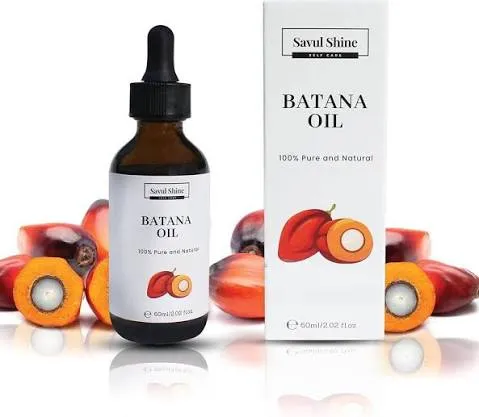
Nutrient-rich follicle fortification works because it provides your body with the essential cellular building blocks required to grow a strong, resilient hair shaft from the very start. The hair cells produced inside your follicles rely on a steady supply of vitamins, minerals, and amino acids to build a dense, healthy keratin structure. Fueling your body correctly ensures your new hair growth is built to last.
Focus your daily diet around lean proteins, healthy fats, and iron-rich foods, including eggs, salmon, spinach, avocados, and pumpkin seeds. Talk with your doctor about checked nutrient levels and consider high-quality supplements like biotin, vitamin D, zinc, and iron if your diet has gaps. This internal approach is fantastic for all hair types and styles, laying the foundation for long-term hair health and density. Fortifying your nutrition gives your hair incredible natural shine and strength, solving the root cause of weak, slow-growing strands.
Structural Comparison of Hair Breakage Prevention Methods
| Method | Primary Target Area | Ideal Hair Style / Type | Key Tool or Ingredient | Expected Result |
| Microfiber Wrap | Outer Cuticle Layer | All Types (Great for Coils) | High-absorbency microfiber | Reduced post-wash frizz and mechanical tearing |
| Low-Friction Sleep | Mid-Shaft & Ends | Curly, Wavy, and Coily | Pure Mulberry Silk / Satin | Zero morning tangles and preserved style shape |
| Wide-Tooth Detangle | Internal Cortex Bonds | Dense Coils & Thick Waves | Seamless Carbon Fiber Comb | Minimal shedding and breakage during styling |
| Acidic pH Management | Cuticle Scale Overlap | Color-Treated & High Porosity | Apple Cider Vinegar / Acidic Rinses | Sealed cuticles with a high-shine finish |
| Dual-Layer Heat Defense | Keratin Structure | Fine Straight & Relaxed Hair | Silicones & Water-Based Polymers | Safe styling up to 350°F without split ends |
| Strategic Wash | Scalp Sebum Barrier | Dry, Thick, and Curly | Sulfate-Free Cream Cleanser | Retained natural oils and better strand elasticity |
| Air-Drying Control | Moisture Core Balance | Low-Porosity & Heavy Textures | Ceramic Ionic Blow Dryer | Reduced hygral fatigue and stronger hair fibers |
| Tension-Free Style | Follicle & Perimeter | Long Hair & Braided Styles | Cellulose Acetate Claw Clips | Protected hairlines and zero elastic snap damage |
Common Mistakes And How To Avoid Them
- Brushing from the Roots Downward: This common mistake pushes all your tangles into one giant, tight knot near the ends, causing severe mechanical snapping. How to avoid: Always start detangling at your tips and gently work your way up to your roots.
- Using Standard Bathroom Scissors for Trims: Regular paper or kitchen scissors have dull blades that crush the hair fiber instead of cutting it cleanly, creating instant split ends. How to avoid: Invest in a pair of professional, ultra-sharp stainless steel hair shears used only for hair.
- Applying Heavy Oils Before Heat Styling: Applying natural oils directly to your hair before using a flat iron or curling wand essentially cooks the hair shaft at high temperatures. How to avoid: Use certified, lightweight silicone heat protectants before heat styling, and save your natural oils for post-styling hydration.
- Skipping Conditioner on Fine Hair: Many skip conditioner out of fear that it will weigh down fine styles, leaving the hair strands exposed to friction and environmental damage. How to avoid: Apply a lightweight, volumizing conditioner strictly from the mid-lengths to the ends, keeping it away from your roots.
Similar Variations of Hair Protection Routines
The Pre-Poo Protection Method
This variation involves applying a nourishing oil or a rich conditioning treatment to your dry hair before you step into the shower to shampoo. The oil coats your strands, acting as a protective shield that stops water from rapidly swelling the hair shaft and prevents your shampoo from stripping away too much natural moisture.
The Protective Styling Routine
This routine focuses on keeping your hair ends safely tucked away and completely free from daily manipulation for weeks at a time. Using styles like knotless braids, twists, or faux locs minimizes daily mechanical friction, making it an excellent option for low-maintenance hair growth journeys.
Advanced Hair Care Terms Explained
Wrapping Up Your Path To Stronger Hair
Taking control of your hair health comes down to making small, smart changes to your daily routine. By replacing rough towels, balancing your product pH, and cutting down on heat and styling friction, you can easily stop hair breakage in its tracks. Consistency is everything here—your strands will grow longer, thicker, and shinier as you keep up these protective habits.
Embrace these adjustments and pay attention to how your unique texture responds to each change. With a little time and the right techniques, you will build a foolproof routine centered on 16 how to prevent hair breakage.
