

As a person who witnessed the evolution of braid styles for men from a relatively niche styling option to one of the most popular hair trends nowadays, and as a person who tried and failed numerous braid styles and learned to tell which braids look good on a photo but will not survive lunchtime and which ones will actually work, I would like to share my expertise with you.
What are the best braid styles for men? The best braid styles for men are cornrow braids, French braids, Dutch braids, box braids, and twisted braids. These styles can vary in complexity from very simple and quick everyday braids to more sophisticated protective braids suitable for several weeks of styling.
Please proceed and find all 15 styles described along with the hair type and length requirements, realistic maintenance schedule, and common errors that make a good braid look terrible in no time.
Why Braids Work So Well for Men’s Hair
Ever wonder why braids have stuck around across so many cultures and generations? It’s not just style — braids genuinely solve real hair problems. They keep hair off your face and neck, protect the ends from breakage, and hold up under sweat, hats, and helmets far better than loose hair ever could. For men with thicker or curlier textures especially, braids also help manage volume and shrinkage in a way that’s both practical and good-looking.
There’s also a versatility factor that a lot of guys don’t realize until they try it. Braids aren’t one look — they range from ultra-low-maintenance protective styles you can leave in for weeks to quick everyday styles you redo before work each morning. I’ve broken these 15 down by hair length, texture, and how much upkeep they actually demand, so you can pick a style that fits your real life instead of just your Pinterest board. Let’s get into it.
15 Braid Styles for Men to Try Next
1. Classic Cornrows

Cornrows remain the foundation of men’s braiding for good reason — they’re a protective style, a fashion statement, and a practical solution all in one. The technique involves braiding hair flat against the scalp in continuous rows, using an underhand, three-strand method that keeps the braid raised and durable. Straight-back rows suit a clean, classic look, while curved or geometric patterns add a more custom feel.
My practical tip: have your barber or braider use a light edge control gel along the hairline to keep the front rows crisp for longer. This style works on nearly any face shape and suits both professional and casual settings, and it solves the everyday problem of thick or coily hair needing daily manual styling.
2. French Braids
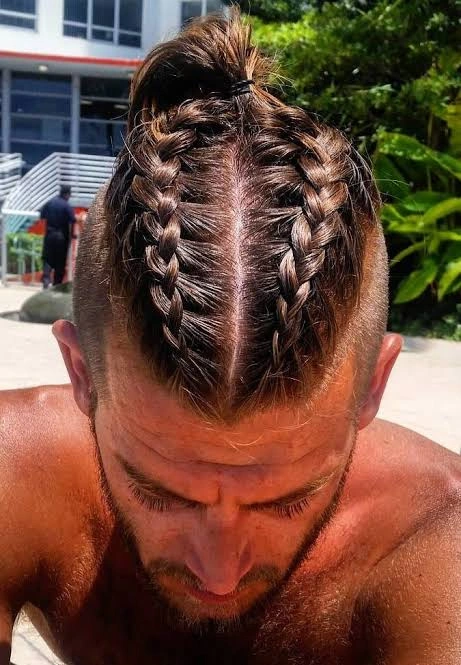
French braids bring a slightly more relaxed, textured look than tight cornrows, making them a great option for guys who want structure without the fully polished finish. The core technique weaves hair from the top down, adding new sections as you go, which creates a braid that sits close to the head at the crown and loosens slightly toward the ends. This works especially well on medium to long, straight or wavy hair.
A useful tip: braid slightly damp hair rather than fully dry hair, since it holds the shape better and reduces frizz. French braids suit a more casual, everyday aesthetic and work well for guys with active lifestyles who need hair secured during workouts or sports.
3. Dutch Braids
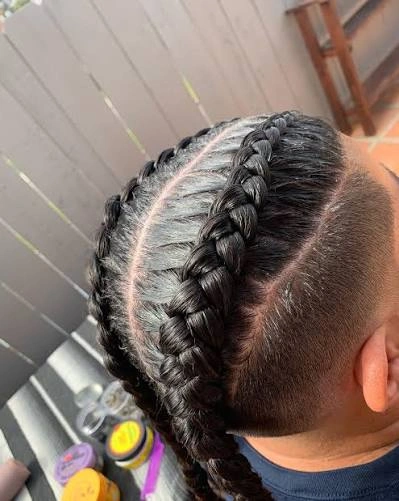
Dutch braids are essentially the reverse of French braids — instead of braiding strands over each other, you cross them under, which makes the braid sit raised above the scalp rather than flat. This creates a bolder, more three-dimensional look that reads as more rugged or textured. The technique requires slightly more practice than French braids since the under-crossing motion feels less intuitive at first.
My tip: use a strong-hold pomade before braiding to give slippery or fine hair enough grip to hold the pattern. Dutch braids work particularly well on medium-length hair and suit an edgier, more modern style, solving the challenge of wanting a braid with visible texture and dimension rather than a flat finish.
4. Box Braids

Box braids are one of the most popular protective styles for men with thicker, coilier hair textures, and they can last anywhere from four to eight weeks with proper care. The technique starts with sectioning hair into small, evenly spaced squares (the “boxes”), then braiding each section individually, often with added extensions for length and thickness. This is a longer salon process, typically taking two to five hours depending on braid size and hair length.
A practical tip: sleep with a satin or silk durag or bonnet every night to prevent frizz and extend the style’s lifespan significantly. Box braids suit both casual and more elevated styling, and they solve the long-term challenge of managing very curly or coily hair without daily manipulation.
5. Fishtail Braid

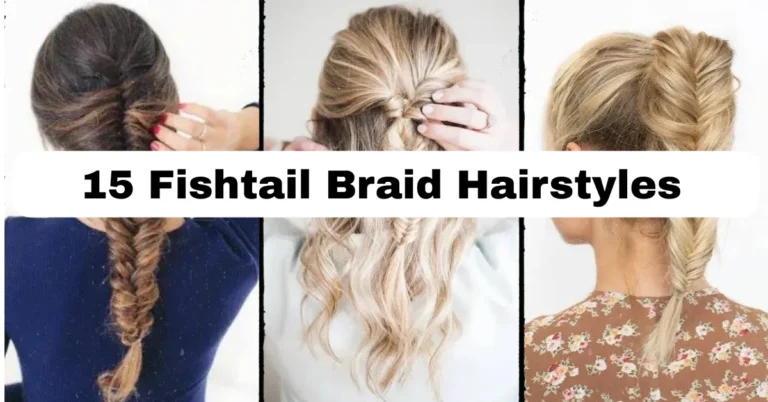
The fishtail braid brings noticeably more texture and detail than a standard three-strand braid, using two sections instead of three and weaving small pieces from the outer edges into the center. This creates a woven, almost herringbone pattern that stands out visually. It works best on medium to long, straight or slightly wavy hair, since very curly textures tend to obscure the detailed pattern.
My tip: braid it slightly looser than feels natural, since a tight fishtail can look stiff rather than textured. This style suits guys wanting a single, statement braid rather than multiple rows, and it solves the desire for a braid with more visual interest than a basic plait.
6. Braided Man Bun

This style combines two popular men’s hair trends into one, braiding the sides or a section at the crown before gathering the rest into a classic man bun at the back or top of the head. The braided element adds detail and keeps shorter, shorter side pieces controlled, while the bun handles length and volume. This works well on hair that’s at least shoulder-length, ideally with several extra inches to comfortably form a full bun.
A practical tip: use a matte texturizing paste on the braided sections to keep them defined without looking greasy. This style suits a modern, slightly edgy aesthetic and solves the common problem of long hair getting in the way during workouts, work, or hot weather.
7. Braided Mohawk

A braided mohawk takes the boldness of a traditional mohawk and channels it into a more controlled, braided center strip rather than spiked or shaved sides. The technique typically involves cornrowing or French braiding a central section from front to back, while the sides are kept short, faded, or shaved entirely. This creates striking contrast between the textured center braid and the clean sides.
My tip: ask your barber for a skin fade on the sides to maximize the visual contrast with the braided strip. This is one of the boldest styles on this list, suited for guys wanting a statement look, and it solves the challenge of wanting a mohawk’s edge without daily styling with gel or wax.
8. Half-Up Braided Style
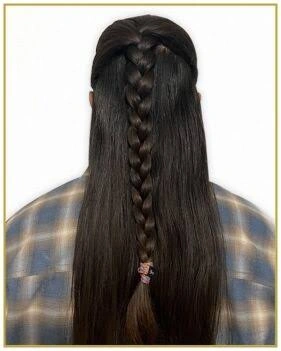
The half-up braided style takes the top section of hair and braids it back, while leaving the rest of the hair loose or textured underneath. This gives you the structure and neatness of a braid up top with the natural movement of loose hair below. It works particularly well on medium to long hair with some natural wave or curl for added texture in the loose sections. A useful tip: secure the braid with a small, matching hair tie rather than a bulky elastic to keep the look sleek. This style fits both casual and slightly dressed-up settings, and it solves the in-between problem of wanting hair partially secured without going for a full braided style or a completely loose look.
9. Two-Strand Twists

Two-strand twists offer a slightly softer, more rope-like alternative to traditional braids, created by twisting two sections of hair around each other rather than weaving three strands. This style works exceptionally well on natural, coily hair textures and can be worn short or grown out into longer twists over time. The technique is more beginner-friendly than braiding, making it a good option for guys styling their own hair at home. My tip: apply a curl-defining cream to damp hair before twisting for cleaner, more defined results. Two-strand twists suit a natural, low-maintenance aesthetic and solve the challenge of wanting definition and texture without the tighter, more rigid look of full braids.
10. Braided Undercut
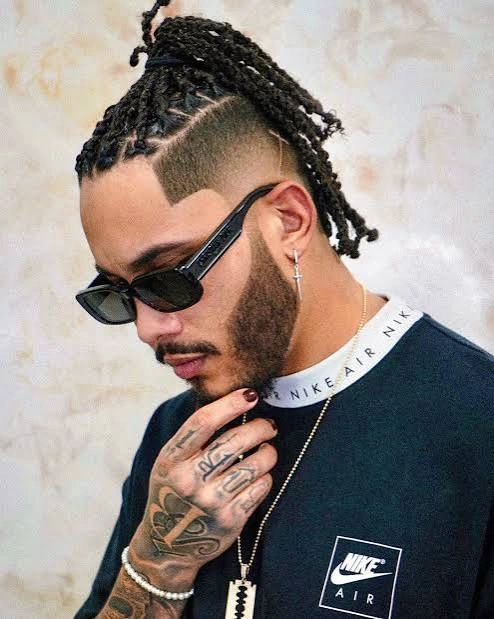
This style pairs braided sections on top with a shaved or closely cropped undercut on the sides and back, creating one of the most striking contrasts on this list. The top section, left longer, gets braided into cornrows, a single braid, or multiple smaller braids, while the sides are faded or shaved completely. This works best with a clear plan discussed with your barber beforehand, since the undercut length affects how dramatic the contrast looks. A practical tip: keep the undercut portion trimmed every two to three weeks to maintain the sharp contrast as the braided top continues growing. This style suits a modern, urban aesthetic and solves the challenge of wanting a bold, high-contrast look that’s still relatively low-maintenance day to day.
11. Viking Warrior Braids
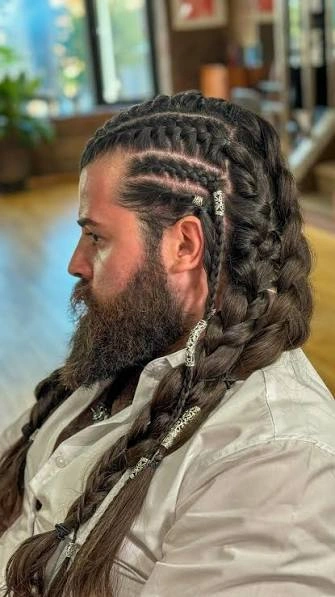
Viking-inspired braids have surged in popularity thanks to period dramas and a broader interest in historical hairstyles, typically featuring multiple smaller braids combined with larger sections, sometimes incorporating beads or metal cuffs. The technique often combines cornrow-style braids near the hairline with looser braids or twists through the mid-lengths and ends. This style works particularly well with longer hair and a fuller beard for a complete aesthetic. My tip: incorporate one or two small metal beads into the braids for an authentic detail without overdoing the accessories. This style suits guys wanting something distinctive and a bit rugged, and it solves the desire for a braid style with real historical and cultural character rather than a purely modern look.
12. Feed-In Braids
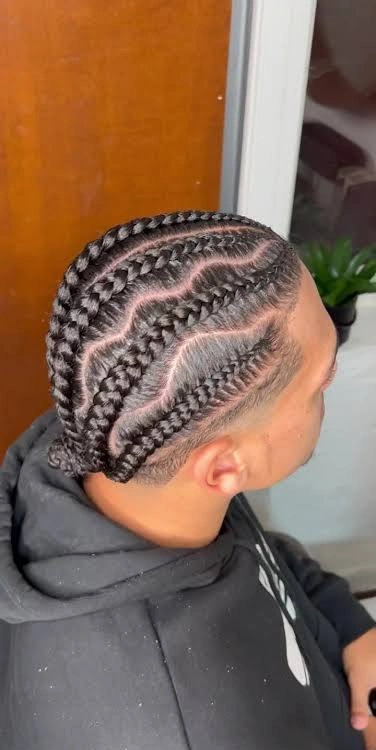
Feed-in braids create a natural, gradually thickening effect by starting each braid with a small section of your own hair and progressively adding more hair (or extensions) as the braid extends down the head. This technique avoids the bulky, obvious starting point that traditional braids can have right at the hairline, giving a more seamless, natural-looking result. This style works well for both natural hair and added extensions, depending on the length and thickness you want. A practical tip: ask your braider to start each row slightly thinner than you think you want, since the gradual feed-in effect naturally builds volume as it goes. This style suits a clean, polished look and solves the common complaint that traditional braids look too thick or artificial right at the roots.
13. Braided Ponytail

A braided ponytail combines the neatness of a gathered ponytail with the detail of a braid running through it, either braiding the ponytail itself or braiding a section at the crown before pulling the rest back. This works well on medium to long hair and offers a cleaner, more put-together look than a plain ponytail alone. My tip: braid the ponytail while your hair is slightly damp for a smoother, less frizzy finish that holds its shape longer. This style suits both casual everyday wear and slightly more polished settings like work or events, and it solves the problem of wanting hair secured back without it looking like a plain, unstyled ponytail.
14. Micro Braids

Micro braids take the traditional braiding technique and shrink it down significantly, using very small, tightly woven sections for a detailed, textured look that can take considerably longer to install than standard-sized braids. Because of their small size, micro braids tend to last longer than larger braids and move more naturally, closer to how loose hair would. This style requires a skilled braider and a significant time investment, often four or more hours depending on hair length and density. A practical tip: budget for a slightly longer appointment than you expect, and bring something to keep yourself entertained. This style suits guys wanting a highly detailed, long-lasting protective style, and it solves the challenge of wanting the benefits of braids with a more natural, flowing appearance than larger braid styles offer.
15. Braided Top Knot

The braided top knot elevates the classic top knot by braiding the sides or the gathered section before securing it, adding detail and texture to what’s otherwise a very simple style. The sides can be cornrowed back into the top knot, or a single braid can run from the crown into the bun itself. This works best on hair that’s long enough to comfortably gather at the crown, typically shoulder-length or longer. My tip: use a small amount of pomade on the braided sections before securing the bun to keep flyaways controlled throughout the day. This style suits a polished, modern aesthetic that works well for both casual days and more put-together occasions, and it solves the challenge of wanting a top knot with more visual detail than a plain, twisted bun.
Braid Styles by Hair Length and Texture
Not every braid style works for every guy, and hair length or texture makes a real difference in how a style turns out. Use this table to narrow down your options before your next appointment.
Hair Length and Texture Guide
| Braid Style | Minimum Hair Length | Best Texture | Typical Duration |
|---|---|---|---|
| Classic Cornrows | 2–3 inches | Coily, curly, straight | 2–4 weeks |
| French Braids | 4+ inches | Straight, wavy | 1–3 days |
| Dutch Braids | 4+ inches | Straight, wavy, curly | 1–3 days |
| Box Braids | 3+ inches (extensions extend length) | Coily, curly | 4–8 weeks |
| Braided Man Bun | 6+ inches | Any texture | 1–2 days |
| Two-Strand Twists | 2+ inches | Coily, curly | 2–4 weeks |
| Micro Braids | 3+ inches | Coily, curly, straight | 6–10 weeks |
| Viking Warrior Braids | 5+ inches | Any texture | 2–5 days |
Maintenance and Cost Comparison
Braid styles vary a lot in how much time and money they demand. Here’s a realistic breakdown to help you plan.
Braid Style Maintenance at a Glance
| Style | Installation Time | Touch-Up Frequency | Estimated Cost Range |
|---|---|---|---|
| Classic Cornrows | 1–2 hours | Every 2–3 weeks | $30–$80 |
| Box Braids | 2–5 hours | Every 6–8 weeks | $80–$200 |
| Fishtail Braid | 15–20 minutes | Daily redo | $0–$20 (self-styled) |
| Braided Undercut | 1–2 hours (plus fade) | Every 2–3 weeks (fade), monthly (braids) | $50–$120 |
| Feed-In Braids | 1.5–3 hours | Every 3–4 weeks | $60–$150 |
| Micro Braids | 4+ hours | Every 6–10 weeks | $150–$300 |
| Viking Warrior Braids | 1–2 hours | Every 2–4 weeks | $40–$100 |
Prices shift based on your region, the braider’s experience, and whether extensions are involved, so treat these as planning ranges rather than fixed quotes.
Common Mistakes and How to Avoid Them
Even a great braid style can go wrong with the wrong prep or aftercare. Here are the mistakes I see most often, and how to sidestep each one.
Braiding hair that’s too dry : Dry hair breaks more easily under tension and frizzes faster. Work with damp, conditioned hair, or apply a leave-in conditioner and light oil beforehand.
Braiding too tightly : Excessive tension, especially along the hairline, can cause traction alopecia over time. A good braid should feel secure, not painful, and shouldn’t pull visibly at the scalp.
Skipping nighttime protection : Cotton pillowcases absorb moisture and create friction, frizzing braids fast. A satin or silk bonnet, durag, or pillowcase protects the style and extends its lifespan considerably.
Leaving protective styles in too long : Styles like box braids or micro braids left in past eight to ten weeks can lead to matting and tangling at the roots as new growth comes in. Stick to the recommended removal window.
Ignoring scalp care during a protective style : A braided style doesn’t mean your scalp gets ignored. Use a lightweight oil or scalp spray regularly to prevent dryness, itching, and buildup underneath the braids.
Choosing a style without consulting a professional first : Some styles, like micro braids or feed-in braids, genuinely require a trained braider’s hands. Attempting complex styles solo often leads to uneven sections and a shorter-lasting result.
Similar Variations Worth Exploring
If none of these 15 styles feel like the right fit, these closely related variations offer a similar look with a slightly different execution.
- Lemonade braids — cornrows styled to sweep diagonally to one side rather than running straight back.
- Tribal braids — larger, thicker cornrows often styled in bold geometric patterns.
- Goddess braids — thicker, more pronounced versions of standard cornrows, often paired with a bun or ponytail.
- Cornrow mohawk — a variation on the braided mohawk using tighter cornrow rows instead of a single French braid down the center.
- Twist-out braids — twists that are later unraveled to create a defined, wavy texture rather than kept as tight twists.
Hair Care Tips for Braid Styles for Men
Keeping any braid style looking sharp comes down to a handful of consistent habits.
- Moisturize regularly. Braided styles can dry out your scalp and hair since you’re not washing as frequently, so use a lightweight oil or leave-in spray every few days.
- Wash gently, not constantly. A diluted shampoo applied directly to the scalp every one to two weeks keeps things clean without unraveling or frizzing the braids.
- Protect your hairline. The hairline is under the most tension in most braid styles, so avoid excessive pulling or restyling that area too often.
- Sleep with protection. A satin bonnet, durag, or silk pillowcase reduces friction and significantly extends how long your braids stay neat.
- Trim before braiding. Removing split ends before installing a protective style prevents further damage from getting trapped and tangled inside the braid.
- Don’t overdo the product. Heavy gels, waxes, and pomades can build up under braids and cause itching or buildup at the scalp, so use lighter formulas and smaller amounts.
Final Thoughts
Braid styles for men offer something for nearly every hair length, texture, and lifestyle, whether you want a quick French braid for the gym or a long-lasting protective style like box braids or micro braids. The key to any of these styles holding up is proper prep, the right maintenance schedule, and knowing when it’s time for a fresh install rather than pushing a style past its limit.
I hope this guide gave you a clearer picture of which braid styles for men actually fit your hair, your schedule, and your personal style, along with the realistic details on cost, time, and upkeep that most guides tend to skip. Bring a couple of these ideas to your next appointment, and you’ll walk in knowing exactly what to ask for.