
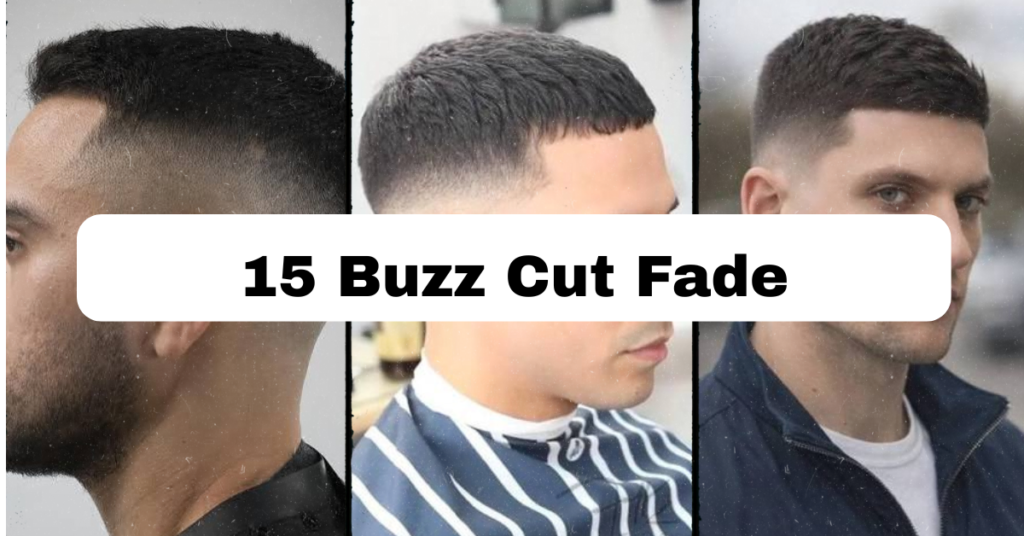
I have charted out many barbershop appointments and clipper guard charts too and I am going to put everything into this guide on buzz cut fades so that when you go in for your appointment, you know exactly what to ask for.
Now, what exactly is a buzz cut fade? In a buzz cut fade, there is short and even clipper length hair on top, with a gradient that ends with either the skin or a short clipper guard at the back and sides.
Stay tuned, as I explain all 15 buzz cut fade types, their respective clipper guards and how to take care of your buzz cut fade once you get it.
Buzz Cut vs. Fade: What’s Actually Different
Let’s clear up a common mix-up first. A plain buzz cut uses one clipper guard across the entire head, giving you uniform length everywhere. A fade, on the other hand, blends multiple guard lengths together, usually getting shorter as it moves down toward the ears and neckline, sometimes all the way to bare skin. When you combine the two, you get short length on top paired with a smooth, gradual transition on the sides — the buzz cut fade. It’s one of the lowest-maintenance men’s cuts out there, but getting that blend right takes real clipper skill, which is why the difference between a good fade and a bad one is almost entirely about the barber, not the guard numbers themselves.
15 Buzz Cut Fade Styles to Try
1. Classic Skin Fade Buzz Cut

This is the fade most people picture when they hear the term. The sides blend all the way down to bare skin near the ear, while the top stays buzzed at a uniform, short guard length. It works on nearly every hair type, though straight and wavy hair shows the blend more cleanly than very curly textures.
Practical tip: ask your barber to use a size 1 or 2 guard on top with a 0 blade fade on the sides for the sharpest contrast. This style suits modern, clean-cut, or professional looks and needs a touch-up every one to two weeks to stay crisp.
2. High Fade Buzz Cut
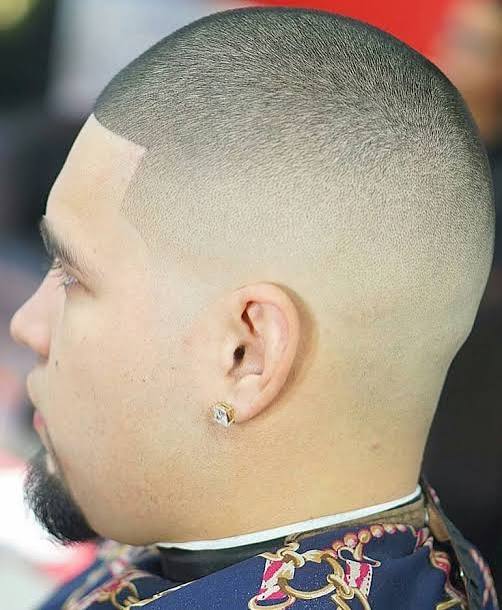
A high fade starts the blend well above the ear, close to the temple, leaving more visible contrast between the buzzed top and the faded sides. This works especially well on round or square face shapes, since the height draws the eye upward and adds the illusion of length.
Practical Tip: request a slightly longer guard on top, like a size 3, so the height of the fade doesn’t overwhelm the rest of the cut. This bold style suits athletic, edgy, or streetwear-inspired looks and is one of the more attention-grabbing options on this list.
3. Mid Fade Buzz Cut

Splitting the difference between high and low, a mid fade starts the blend around the middle of the head, above the ear but below the temple. This balanced placement suits nearly every face shape, making it one of the safest fade choices for a first-timer.
Practical tip: bring a reference photo showing the exact starting point you want, since “mid fade” can mean slightly different things to different barbers. This versatile style suits business casual, everyday, or smart-casual wardrobes and blends well as it grows out.
4. Low Fade Buzz Cut
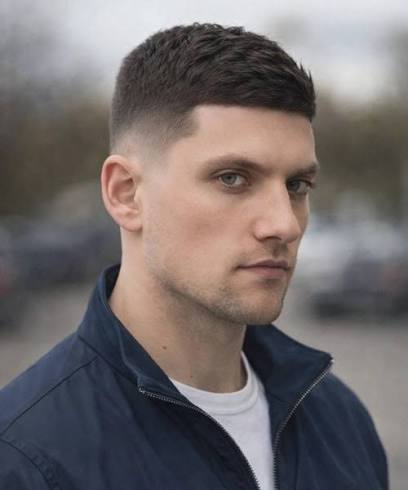
A low fade keeps the blend close to the hairline, right above the ears, leaving more length overall and a subtler transition than a high or mid fade. This works particularly well for oval and long face shapes, since it doesn’t add extra height.
Practical Tip: this is the most forgiving fade to grow out between appointments, making it a smart choice if you can’t get to the barbershop often. This understated style suits conservative workplaces, formal settings, or anyone who prefers a subtler look.
5. Taper Fade Buzz Cut

A taper is technically a gentler version of a fade, blending guard lengths gradually without going all the way down to skin. Paired with a buzzed top, it creates a softer, less dramatic transition than a true skin fade. This suits fine or thinning hair especially well, since the subtler blend doesn’t emphasize scalp visibility the way a skin fade can.
Practical tip: ask specifically for a “taper,” not a “fade,” since barbers treat these as distinct techniques with different clipper approaches. This classic style suits professional, traditional, or barbershop-classic aesthetics.
6. Burst Fade Buzz Cut

Instead of a straight line around the head, a burst fade curves around the ear in a semicircle, creating a burst-like shape that’s especially popular alongside longer top styles, though it works beautifully on a buzzed top too. This suits round and oval face shapes well. Tip: this fade style pairs exceptionally well with a slightly longer curl or wave on top if you want to experiment beyond a pure buzz. This trendy style suits streetwear, modern, or fashion-forward looks and stands out from more traditional straight-line fades.
7. Drop Fade Buzz Cut

A drop fade curves downward behind the ear rather than staying level, following the natural curve of the head for a rounder, more dynamic shape. This works especially well on hair with natural curl or wave, since the curved line complements rather than fights the texture. Practical tip: this fade requires a highly skilled barber, since the curve is easy to get wrong. Look at portfolio photos before booking if you’re new to a shop. This eye-catching style suits creative, modern, or bold personal styles.
8. Temple Fade Buzz Cut

A temple fade, sometimes called a temp fade, focuses the blend specifically around the temple area rather than running the full length of the sides. This creates a sharper, more angular look near the hairline. This works well on nearly every face shape and is especially popular for shorter buzzed tops. Tip: this fade needs frequent touch-ups, sometimes every seven to ten days, since the temple area grows out visibly faster than other sections. This precise style suits sharp, modern, or barbershop-fresh aesthetics.
9. Bald Fade (Zero Fade) Buzz Cut

The most dramatic option on this list, a bald fade takes the sides completely down to skin with zero guard, creating maximum contrast against the buzzed top. This works on nearly any face shape but shows scalp shape and skin tone more than any other fade type, so it’s worth discussing scalp visibility with your barber first. Practical tip: use a gentle, fragrance-free moisturizer on freshly bald-faded skin, since bare skin can get irritated or dry more easily than hair-covered scalp. This bold style suits military, athletic, or high-contrast personal styles.
10. Buzz Cut Fade with Beard Fade

Pairing a buzz cut fade with a matching beard fade creates a cohesive, intentional look rather than two separate grooming choices that don’t quite connect. The beard fade blends the cheek and neckline hair down gradually, mirroring the technique used on the head. This suits nearly every face shape, especially those with strong jawlines. Tip: book both services in the same appointment so your barber can match the fade height and blend consistently across your whole head and face. This polished style suits professional, modern, or classic gentleman aesthetics.
11. Buzz Cut Fade with Hard Part (Line Up)
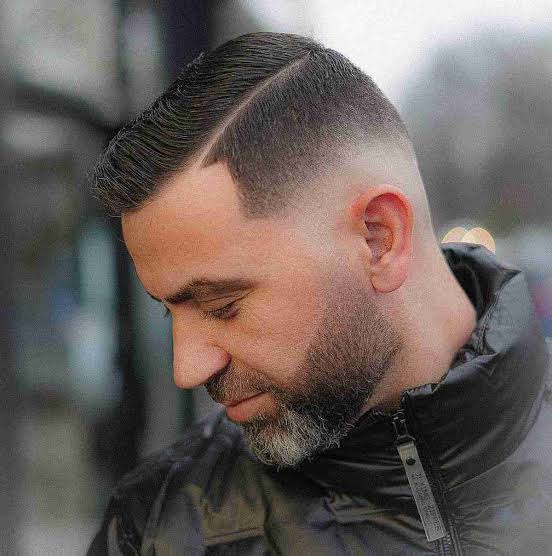
Adding a hard part, a thin shaved line separating the top section from the fade, gives extra definition and a graphic, sharp edge to the style. This works on straight, wavy, and curly hair alike. Practical tip: this line needs re-shaving every five to seven days to stay crisp, since even a little regrowth blurs the sharp edge. This detailed style suits streetwear, editorial, or statement-making personal styles and pairs especially well with a high or mid fade.
12. Buzz Cut Fade for Curly or Coily Hair

Curly and coily hair textures respond differently to a fade than straight hair, since the curl pattern can make the blend look choppier if it’s not cut with the right technique. Barbers typically use a combination of clippers and shears to create a smoother gradient on textured hair. This works especially well with a mid or low fade, since those placements show off the curl pattern on top without excessive contrast. Tip: ask specifically for a barber experienced with textured hair, since fading curls requires different clipper-over-comb techniques than straight hair does. This natural style suits everyday, professional, or celebratory looks.
13. Buzz Cut Fade with Design or Line Art
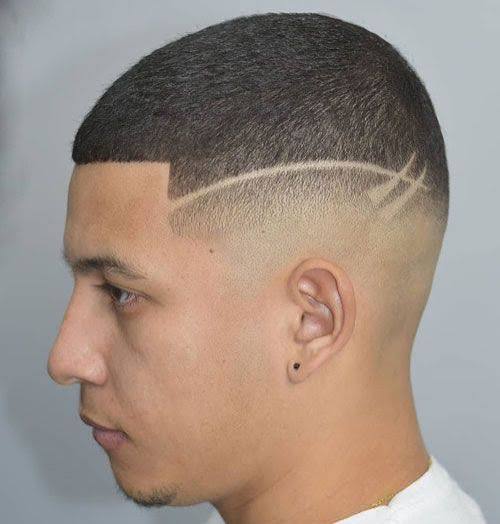
For a more personalized touch, some barbers can shave intricate patterns, lines, or even small designs into the fade area itself, adding a completely custom element to the cut. This works on any hair type, though the design shows most clearly on darker hair against lighter skin. Practical tip: start with a simple design, like a single line or small geometric shape, before committing to anything more intricate, since designs need frequent upkeep to stay sharp. This creative style suits youthful, expressive, or streetwear-inspired personal styles.
14. Buzz Cut Fade for Thinning Hair or Receding Hairlines

A buzz cut fade can actually work in your favor if you’re dealing with thinning hair or a receding hairline, since the short, uniform length on top minimizes the contrast between thicker and thinner areas. This works especially well with a low or taper fade rather than a dramatic skin fade, which can draw more attention to hairline changes. Tip: talk openly with your barber about hairline shape before the cut, since they can adjust the fade placement to work with your natural line rather than against it. This practical style suits nearly any personal style and often becomes a long-term go-to once hair thinning begins.
15. Colored Buzz Cut Fade

Adding color, whether a subtle shadow root, a bold single tone, or even a dyed pattern, to a buzz cut fade creates a completely different visual impact than a natural fade alone. This works on any hair type but shows most vividly on lighter or bleached hair. Practical tip: ask your colorist about scalp sensitivity before bleaching very short hair, since color sits much closer to the skin on a buzz cut than on longer styles. This bold style suits creative, music-industry-adjacent, or fashion-forward personal styles.
Buzz Cut Fade Clipper Guard Reference
| Guard Number | Length | Common Use |
|---|---|---|
| 0 (Skin) | Bare skin | Bald fade, blend endpoint |
| 1 | 1/8 inch | Very short buzz, fade blend |
| 2 | 1/4 inch | Standard buzz cut length |
| 3 | 3/8 inch | Slightly longer buzz, taper start |
| 4 | 1/2 inch | Longer buzz, fuller texture |
| 5 | 5/8 inch | Longest common buzz length |
Fade Style by Face Shape and Maintenance
| Fade Style | Best Face Shape | Touch-Up Frequency | Skill Level Needed |
|---|---|---|---|
| Skin Fade | Any | 1–2 weeks | High |
| High Fade | Round, Square | 1–2 weeks | High |
| Mid Fade | Any | 2–3 weeks | Medium |
| Low Fade | Oval, Long | 2–3 weeks | Medium |
| Taper Fade | Any | 3–4 weeks | Low |
| Burst Fade | Round, Oval | 1–2 weeks | High |
| Drop Fade | Any | 1–2 weeks | High |
| Temple Fade | Any | 7–10 days | High |
| Bald Fade | Any | 1 week | High |
| Beard Fade Combo | Strong jawline | 1–2 weeks | High |
Common Mistakes and How to Avoid Them
- Waiting too long between touch-ups: Fades grow out faster than a regular buzz cut, especially skin and temple fades. Book appointments every one to two weeks for the sharpest looks.
- Choosing a fade without discussing face shape: A high fade on a very round face can look imbalanced, while a low fade on a long face won’t add the height that flatters it. Talk through face shape before committing.
- Going to an inexperienced barber for a bald fade: Skin fades are unforgiving of mistakes. Check portfolio photos or reviews specifically mentioning skin fades before booking.
- Ignoring scalp sensitivity: Bald fades and very short guards expose more skin to sun and product. Use SPF or a barrier moisturizer if you’re outdoors often.
- Skipping the consultation on curly hair: Textured hair fades differently than straight hair. Make sure your barber has specific experience with your curl pattern.
- Overusing heavy products: A buzz cut fade rarely needs more than a light pomade or matte cream. Heavy products can look greasy on such short hair.
Similar Variations Worth Knowing
Buzz cut fade: a short, uniform top length blended into a gradual fade on the sides and back. Crew cut fade: a slightly longer top than a buzz cut, tapered rather than fully faded, for a softer transition. Induction cut: an extremely short, all-over buzz with no fade at all, often associated with military styling. Caesar cut fade: a short, straight fringe on top paired with a faded side, popular for a classic, low-maintenance look. Ivy league fade: a slightly longer top styled to the side, combined with a tapered or faded side length.
Hair Care Tips for Buzz Cut Fade Styles
- Moisturize your scalp regularly, especially with skin or bald fades, since bare or nearly bare scalp can dry out faster than hair-covered skin.
- Use SPF on exposed scalp areas, particularly in summer months, since a buzz cut fade leaves more skin exposed to sun than longer styles.
- Book touch-ups on a schedule, not just when it looks grown out, since fades lose their sharp line gradually and it’s easy not to notice until it’s already blurred.
- Choose a lightweight styling product, since heavy waxes or pomades can clog pores on very short hair and look greasy rather than textured.
- Exfoliate your scalp occasionally, especially if you get frequent bald fades, to prevent ingrown hairs and buildup near the fade line.
Final Thoughts
These 15 buzz cut fade styles show just how much variety exists within what seems like a simple cut on the surface. From a subtle low fade to a bold bald fade with line art, the right choice comes down to your face shape, hair texture, and how often you can realistically get to the barbershop.
Bring a reference photo to your next appointment, ask specifically about guard numbers and fade placement, and you’ll walk out with a buzz cut fade that actually holds its shape until your next visit.