
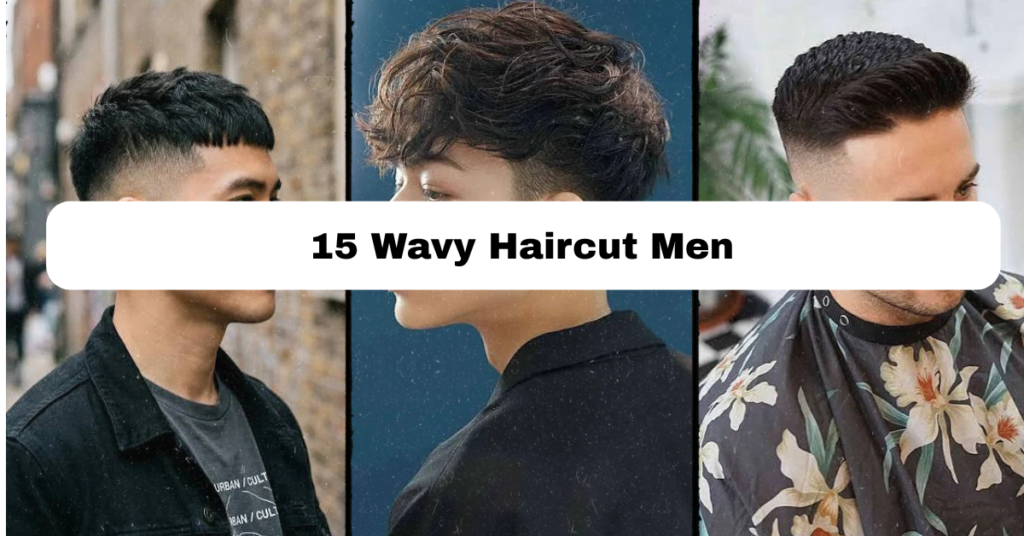
But there is no denying the fact that the wavy haircut men options are some of the most challenging styles when it comes to getting a barber to deliver the goods. I’ve done my share of consultations, so I know just the right cuts that will help your wave pattern emerge naturally, or which ones that will oppose its development. So let me show you which are the right cuts, the right technique of cutting wavy hair, and how a few extra steps in styling can make your hair look much better.
Which are the best wavy haircut men options, then? Top choices include the textured crop, wavy fringe, mid-length quiff, and layered undercut. This is due to the fact that all of those cuts will give you enough length to show off your natural wave pattern and not the other way round.
And there’s more: I’ll show you what are the biggest mistakes men commit when styling their wavy hair, and how you can keep the waves looking defined throughout the day.
Why Wavy Hair Needs a Different Cutting Approach Than Straight Hair
Wavy hair sits somewhere between straight and curly, which means it behaves unpredictably if a barber cuts it the same way they’d cut straight hair. Waves need enough length to actually form their pattern, since cutting too short essentially cuts the wave away before it has room to develop. Layering technique matters a lot here too. Point-cutting, where the barber cuts into the ends at an angle rather than straight across, tends to work better on wavy hair since it removes bulk without creating a blunt, heavy line that can weigh waves down. Density also plays a role: thick, dense wavy hair often benefits from more aggressive layering to reduce bulk, while finer wavy hair usually needs the opposite, meaning less thinning so it doesn’t lose the little bit of natural volume it already has.
1. Textured Crop
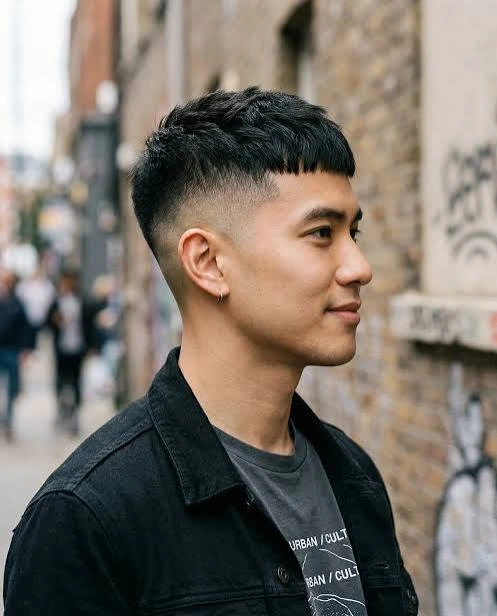
A textured crop keeps the top relatively short, usually two to three inches, and uses choppy, textured cutting to let natural waves show through in a low-maintenance way. The sides are typically faded or tapered short, creating contrast that keeps the whole look feeling clean despite the textured top. This cut suits nearly every face shape and works especially well for men wanting a wash-and-go style that still looks intentional.
A practical tip: apply a matte clay to damp hair and scrunch upward rather than combing, since combing flattens the texture this cut relies on. From this low-maintenance option, let’s look at a version with more length and drama up front.
2. Wavy Fringe
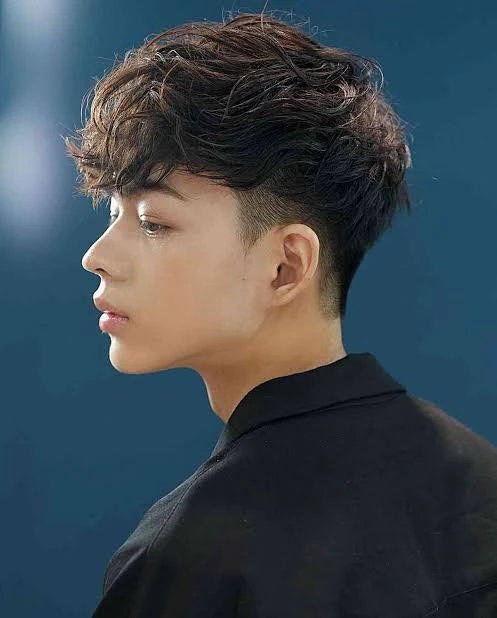
A wavy fringe, left longer at the front and swept slightly to one side or straight down over the forehead, gives natural waves a chance to frame the face directly. This style works particularly well for men with medium wave patterns, since a fringe with too tight a curl can look overly voluminous rather than soft. It suits oval and square face shapes especially well and pairs nicely with shorter sides for contrast.
A helpful tip: use a light cream rather than a heavy pomade on the fringe specifically, since heavy product can make a wavy fringe look greasy rather than textured. Let’s move next to a longer, more voluminous option.
3. Medium-Length Quiff
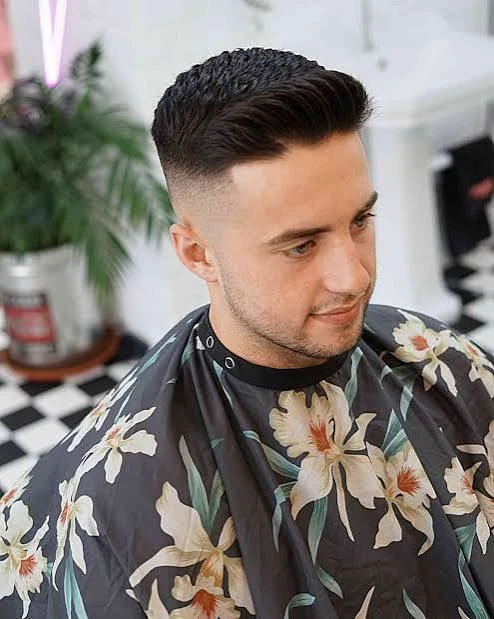
A quiff pushes hair up and slightly back at the front, and on wavy hair, this creates natural-looking volume without requiring much blow-drying effort. The waves themselves provide a lot of the lift a quiff normally needs from styling product alone. This cut suits nearly every face shape and works for both casual and business-casual settings.
A tip worth trying: blow-dry hair upside down for a minute or two before styling, since this encourages natural volume at the roots before you even start shaping the quiff. From volume at the front, let’s shift to a cut built around dramatic contrast at the sides.
4. Wavy Undercut
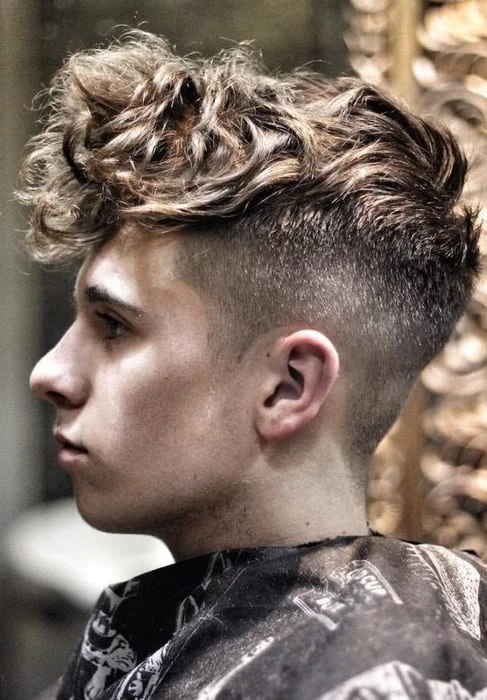
Pairing wavy hair on top with a sharp undercut on the sides creates striking contrast between the textured, flowing top and the short, clean sides. This works especially well for thicker wavy hair, since the shorter sides balance out the extra volume on top. It suits square and oval face shapes particularly well and gives an edgier, more modern feel than a traditional taper.
A practical tip: ask your barber to leave slightly more length at the very top of the undercut transition, since wavy hair needs a bit of extra room to blend naturally into the shorter sides. Let’s move to a shorter, more classic cut next.
5. Classic Side Part With Waves
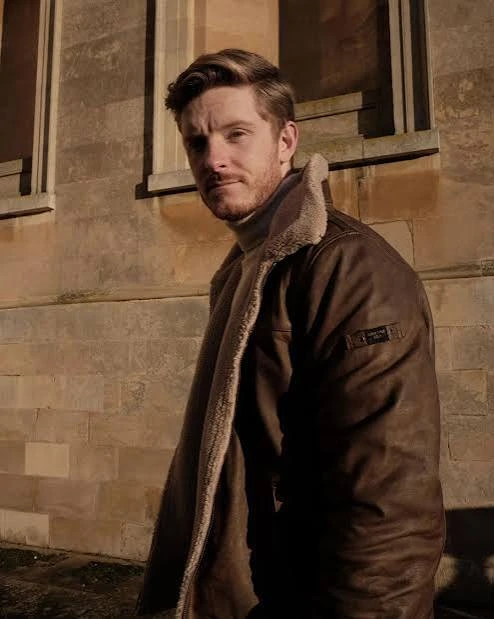
A side part, combed cleanly to one side, gives wavy hair a polished, put-together look without flattening out the natural texture completely. This cut works well for professional environments where a slightly more conservative style is expected. It suits oval and long face shapes especially well.
A tip that matters here: comb the part while hair is damp, then let waves form naturally as it dries rather than blow-drying it completely straight, since drying wavy hair fully straight before combing defeats the purpose of the cut. Now, let’s look at a version with a bit more length throughout.
6. Medium-Length Layered Cut
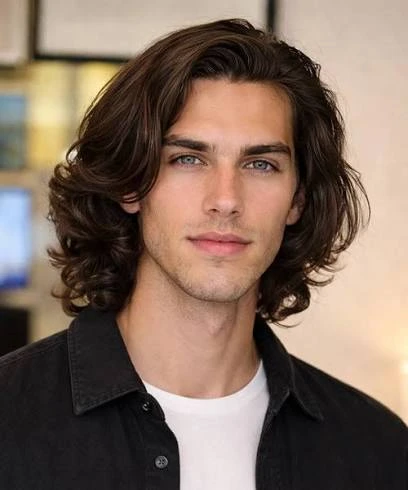
Letting hair grow to a medium length, roughly to the chin or slightly shorter, and cutting in soft layers throughout gives wavy hair plenty of room to show its full pattern. This length works particularly well for looser, more relaxed wave patterns that need extra length to really form defined shapes. It suits nearly every face shape and offers versatility for both styled and air-dried looks.
A helpful tip: ask for layers cut with a razor rather than scissors specifically at the ends, since razor-cutting softens the line and blends more naturally into wave texture. From medium length, let’s move to an even shorter, low-maintenance version.
7. Short Textured Waves
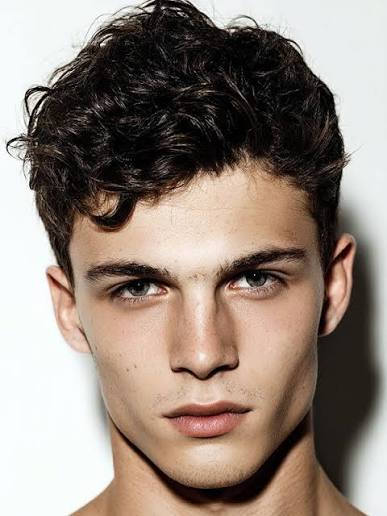
For men wanting minimal daily styling, keeping hair relatively short all over, roughly an inch or two, while still leaving enough length for waves to show creates a clean, low-effort look. This cut suits nearly every face shape and works particularly well for active lifestyles or workplaces requiring conservative hair length.
A tip worth remembering: use a lightweight sea salt spray on damp hair before air-drying, since this enhances natural texture without adding the weight of heavier styling creams. Let’s shift now to a version built around a fade specifically designed for waves.
8. Wavy Fade
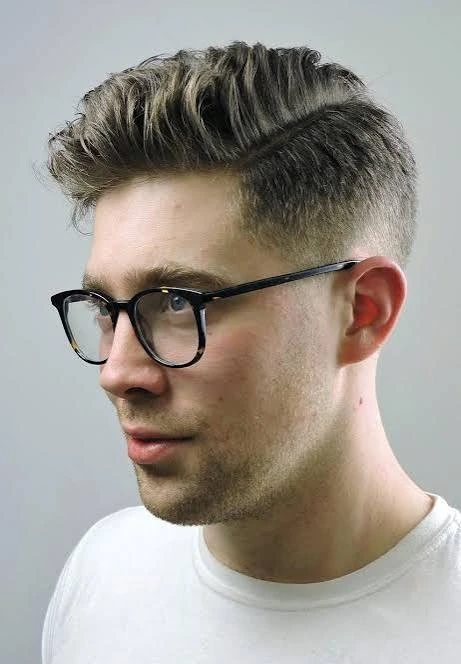
Combining a fade, where hair gradually shortens down to the skin near the ears and neckline, with wavy length on top creates one of the most requested combinations in modern barbershops. The fade keeps the cut feeling sharp and current, while the wavy top adds natural texture and movement. This works for nearly every face shape and suits both professional and casual settings depending on how much length is left on top.
A practical tip: request a mid or low fade rather than a high fade if your wave pattern is looser, since a high fade paired with loose waves can look disproportionate. Now, let’s look at a version built around a natural, air-dried finish.
9. Natural Air-Dried Waves

Sometimes the best cut is one styled with almost no product or heat at all. Cutting hair with enough length to show waves, then simply applying a light leave-in and letting it air-dry, gives a relaxed, natural look that requires very little daily maintenance. This style works for nearly every face shape and suits casual, everyday wear especially well.
A tip to try: avoid touching or restyling hair while it’s drying, since repeated touching disrupts the natural wave pattern forming on its own. From natural texture, let’s move to a bolder, more structured cut.
10. Pompadour With Waves
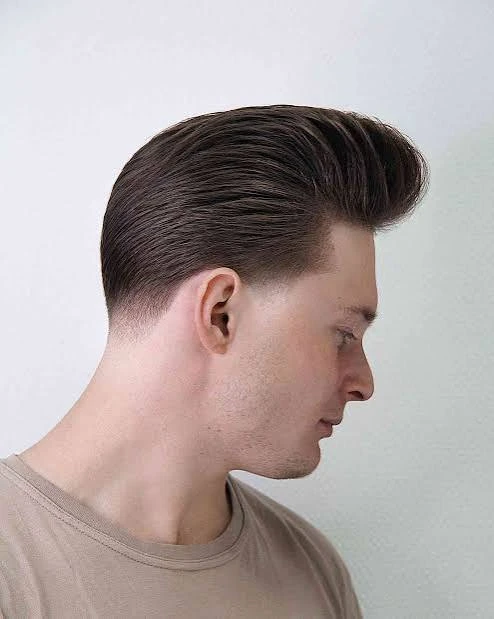
A pompadour, with hair swept up and back from the forehead, takes on extra texture and dimension when the hair underneath has a natural wave pattern. The waves add visual interest to what might otherwise be a smooth, uniform pompadour shape. This cut suits oval and square face shapes especially well and works for more formal or dressed-up occasions.
A helpful tip: use a strong-hold cream rather than a high-shine pomade for this version, since cream products let the wave texture show through more than a glossy, smoothing product would. Let’s move to a shorter, more casual alternative.
11. Messy Textured Waves
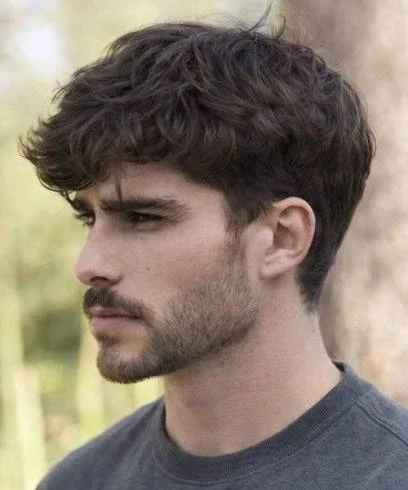
Deliberately tousled, unstructured styling on a wavy cut creates a relaxed, effortless look that works well for casual, everyday settings. This style avoids any strict part or defined shape, instead embracing natural movement and irregular texture throughout. It flatters nearly every face shape since the loose, undone styling is inherently forgiving. A tip worth trying: apply a small amount of matte paste and scrunch hair upward with your fingers, since this builds texture without creating the smooth, defined shape a more polished cut would need. Now, let’s look at a version tailored to thicker, denser hair.
12. Wavy Crop for Thick Hair
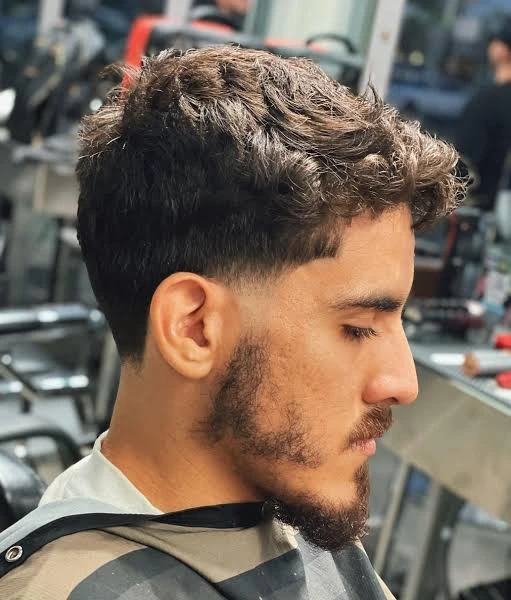
Thick, dense wavy hair often needs more aggressive layering to avoid looking overly bulky or heavy. A wavy crop that removes weight through the middle and ends while keeping enough length for waves to show creates a more manageable, balanced silhouette. This cut suits square and round face shapes especially well, since removing bulk helps avoid an overly wide appearance.
A practical tip: ask your barber specifically about thinning shears for the underlayers, since this reduces bulk without shortening the visible length on top. Let’s shift now to a version designed for finer hair types.
13. Wavy Cut for Fine Hair
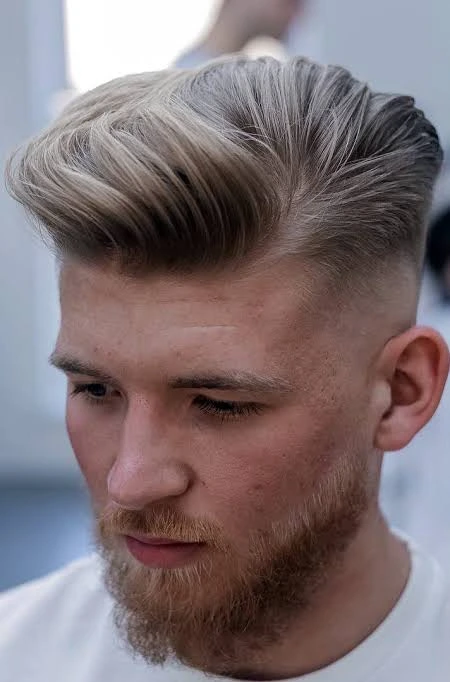
Fine wavy hair needs the opposite approach from thick hair, meaning less thinning and more strategic layering to preserve as much natural volume as possible. A cut that avoids heavy layering and instead relies on the natural wave pattern for texture tends to look fuller than an over-thinned style would. This works well for nearly every face shape and suits men wanting to maximize the appearance of volume.
A tip that matters: use a volumizing mousse rather than a heavier cream, since mousse adds lift without weighing down already fine strands. From fine hair, let’s move to a version built for special occasions.
14. Polished Wavy Style for Formal Events
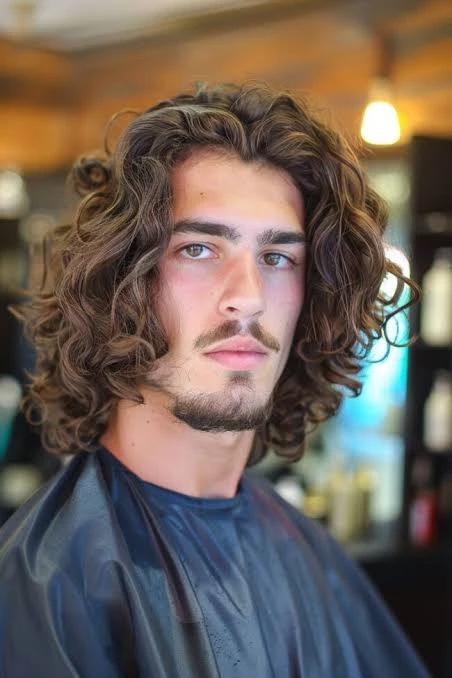
For weddings, interviews, or other formal occasions, a slightly more polished take on a wavy cut, combining a clean side part with light, controlled waves, offers a middle ground between fully natural texture and a completely smoothed-down style. This works for oval and square face shapes particularly well and pairs nicely with a well-groomed beard or clean shave.
A helpful tip: use a small amount of light-hold gel combed through rather than a heavy, high-shine product, since this keeps the style looking intentional without going overly slick. Finally, let’s close with a version built for minimal daily effort.
15. Low-Maintenance Buzzed Sides With Wavy Top
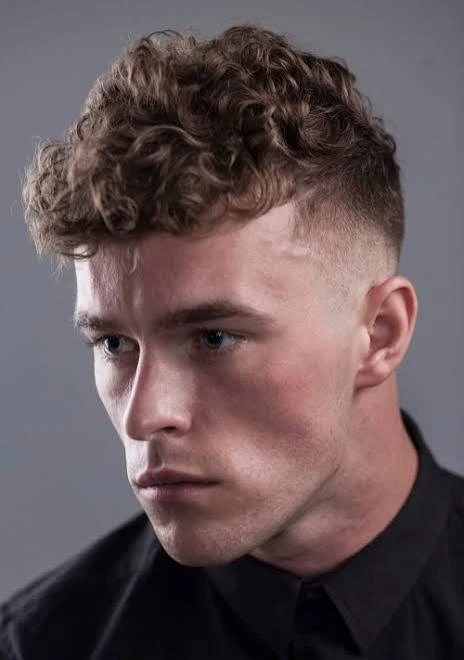
Pairing very short, buzzed sides with a slightly longer wavy top creates one of the lowest-maintenance combinations on this list, since the sides require essentially no daily styling at all. The contrast between the buzzed sides and textured top keeps the cut looking sharp even with minimal effort. This suits nearly every face shape and works particularly well for active lifestyles or hot climates. A tip to remember: keep the top just long enough to show wave definition, typically an inch and a half to two inches, since shorter than that risks cutting the wave pattern away entirely.
Wavy Haircut Comparison at a Glance
Maintenance Level and Best Use Case by Cut
| Haircut | Maintenance Level | Best For | Styling Time |
|---|---|---|---|
| Textured Crop | Low | Everyday, wash-and-go | 5–10 minutes |
| Wavy Fringe | Medium | Casual to business-casual | 10 minutes |
| Medium-Length Quiff | Medium | Casual, business-casual | 10–15 minutes |
| Wavy Undercut | Medium | Bold, modern looks | 10–15 minutes |
| Classic Side Part With Waves | Medium | Professional settings | 10 minutes |
| Medium-Length Layered Cut | Medium | Versatile styled or air-dried looks | 10–15 minutes |
| Short Textured Waves | Very Low | Active lifestyles, conservative workplaces | 5 minutes |
| Wavy Fade | Medium | Professional to casual | 10–15 minutes |
| Natural Air-Dried Waves | Very Low | Casual, everyday wear | 5 minutes (plus dry time) |
| Pompadour With Waves | High | Formal, dressed-up occasions | 15–20 minutes |
| Messy Textured Waves | Low | Casual, everyday wear | 5–10 minutes |
| Wavy Crop for Thick Hair | Low | Dense, thick hair types | 5–10 minutes |
| Wavy Cut for Fine Hair | Medium | Thin or fine hair types | 10 minutes |
| Polished Wavy Style (Formal) | Medium | Weddings, interviews | 10–15 minutes |
| Buzzed Sides With Wavy Top | Very Low | Active lifestyles, hot climates | 5 minutes |
Common Mistakes and How to Avoid Them
Cutting hair too short for the wave pattern : Cutting wavy hair as short as you would straight hair often removes the length needed for waves to actually form. Ask your barber to leave enough length, usually at least an inch and a half on top, for waves to show clearly.
Using heavy pomades on textured styles : Glossy, heavy pomades smooth out the exact texture that makes wavy cuts look good in the first place. Choose matte clays, creams, or light mousses instead for texture-focused styles.
Blow-drying hair completely straight before styling : Fully straightening wavy hair before styling defeats the purpose of a cut designed around natural wave pattern. Let hair air-dry partially or use a diffuser attachment to encourage waves rather than eliminate them.
Over-brushing after styling : Brushing through styled waves smooths out definition and can create frizz instead of clean texture. Use fingers to adjust shape after styling rather than a brush or comb.
Ignoring density when choosing a cut : Applying the same layering technique to thick and fine wavy hair leads to disappointing results for one or both hair types. Discuss your specific density with your barber before deciding on layering and thinning technique.
Skipping regular trims : Split ends look more obvious on wavy hair than straight hair, since damaged ends disrupt the wave pattern’s overall shape. Get trims every four to six weeks to keep waves looking clean and defined.
Similar Variations Worth Trying
- Wavy mullet: combines shorter sides and top with longer length at the back for a bold, retro-inspired twist.
- Curtain-fringe wavy cut: adds center-parted, face-framing pieces to a medium-length wavy style.
- Wavy mohawk fade: pairs a tapered mohawk shape with natural wave texture on top for an edgier look.
- Long wavy shag: a shoulder-length cut with heavy layering, built specifically for looser wave patterns.
- Wavy bro flow: a longer, swept-back style that lets waves flow naturally without a defined part or fringe.
Hair Care Tips for Wavy Haircut Men
- Use a sulfate-free shampoo to avoid stripping natural oils that help define wave pattern.
- Apply a leave-in conditioner or light cream to damp hair before air-drying to enhance texture without weighing it down.
- Get trims every four to six weeks, since split ends disrupt wave definition faster than they do on straight hair.
- Use a diffuser attachment on your blow dryer if you want to speed up drying time without eliminating natural wave texture.
- Avoid touching or restyling hair while it’s drying, since repeated touching breaks down the natural pattern as it forms.
- Sleep on a silk or satin pillowcase to reduce frizz and preserve wave definition overnight, especially for medium to long lengths.
Final Thoughts
Choosing from these wavy haircut men options really comes down to matching length, layering technique, and density to your specific wave pattern, whether that’s a low-maintenance textured crop or a more polished side part for formal occasions. Every cut on this list works because it gives natural waves enough room to actually show their shape instead of cutting that texture away.
Bring reference photos to your next barbershop visit and talk openly about your hair’s density and wave pattern, since that conversation makes all the difference in how the final cut turns out. Whichever style you choose, these wavy haircut men options prove that natural texture can look just as sharp and intentional as any perfectly straight style.