

Years of experimenting with various hairdos, consulting with stylists, and researching what really helps different face types have allowed me to know the exact recipe of success when it comes to creating a “big forehead” hairstyle. This is not an article full of assumptions but a styling manual based on the principles that colorists and cutters use daily.
So, what hairstyles suit women with big foreheads? The best hairstyles will involve the use of curtain bangs, side-swept fringe, textured waves, or deep side part to optically minimize the size of the forehead. Volume at the hairline, soft layers around the face, and low-maintenance bangs help create well-balanced hairstyles without adding volume and making it look outdated.
Read on to get information about 16 specific hairstyles, the way to determine which one suits your hair, the foolproof chart, and hair care tips that will allow you to maintain each of these hairstyles perfectly.
Why Your Forehead Size Doesn’t Have to Run Your Hairstyle
Here’s the truth: a big forehead isn’t a flaw you need to hide. It’s a proportion you can play with. I’ve seen women avoid bangs for years because they think a large forehead limits them, when really it opens up more options than a small forehead does. Fringe, fullness, layering, and parting all shift how much forehead shows and how the eye reads your whole face. Once you understand a few basic rules, styling becomes way less stressful. Let’s get into the looks.
1. Curtain Bangs
Curtain bangs are the single most requested fix for a big forehead, and for good reason. They part down the middle and sweep to both sides, framing your face like actual curtains framing a window. This softens the hairline instead of blocking it completely, which keeps things looking modern rather than heavy.
For color, ask your stylist for subtle face-framing highlights right where the bangs sit. This draws light toward your cheekbones instead of your forehead. Texture is everything here: use a round brush and blow-dry the bangs outward for movement. Curtain bangs suit almost every hair type, from stick-straight to loose curls, and they work equally well on a classic bob or long layered hair. Next up, a style that goes even further with coverage.
2. Full Blunt Fringe

A full, blunt fringe cuts straight across just above the eyebrows, and it’s the most direct way to visually shrink forehead height. This look works because it creates a hard horizontal line that the eye reads as the “top” of your face, minimizing everything above it.
Keep the ends blunt and one-length for maximum impact, and avoid choppy or feathered edges, which can look unfinished. Pair this with a deeper, richer base color since a flat, dark fringe reads as more deliberate. A light pomade or wax keeps flyaways down, especially on humid days. Blunt fringe pairs beautifully with sleek, straight hair for a modern editorial vibe, or with soft waves for something more romantic. If bangs still feel intimidating, side-swept styles offer a gentler transition.
3. Side-Swept Bangs

Side-swept bangs angle across the forehead instead of running straight, which softens the whole upper face without the commitment of a full fringe. They’re forgiving because they grow out gracefully into a longer layer instead of an awkward stage.
Ask for bangs that hit at an angle from a deep side part, and keep the length just past your eyebrow for the most flattering line. A texturizing spray adds grip so the bangs stay swept instead of falling flat. This style works on wavy and curly hair especially well, since natural texture holds the sweep in place all day. It’s a great match for oval, heart, and round face shapes, and it transitions easily into an updo for special occasions. Speaking of parting, let’s talk about how a deep side part changes everything on its own.
4. Deep Side Part

Sometimes the simplest fix is the best one. A deep side part pushes more hair over one side of your forehead, instantly reducing how much skin shows on that side and creating a diagonal line that slims the whole upper face.
Part your hair roughly 70/30 instead of down the middle, and use a comb with a fine tail to keep the line crisp. This works with any length, from a pixie cut to hair past your waist, and it costs nothing since you likely already own the tools. A few loose face-framing pieces pulled forward add extra softening. This style suits classic and traditional looks especially well, think old Hollywood waves or a sleek low bun. If you want volume instead of a hard part, try building height at the crown.
5. Voluminous Crown Waves
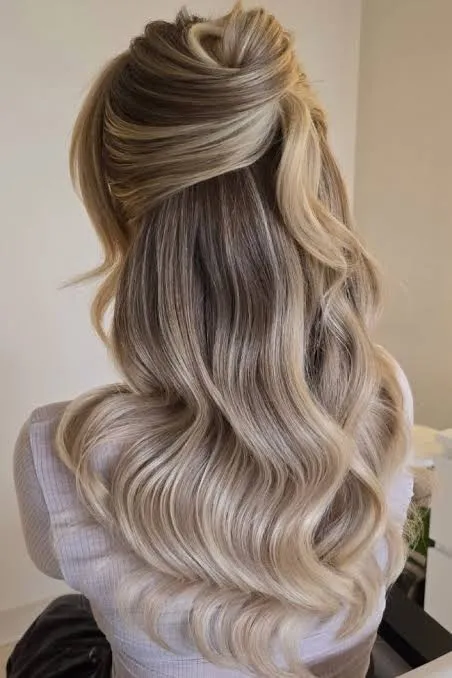
Big, bouncy waves that start with lift at the crown draw the eye upward and outward instead of straight at your hairline. The extra height and roundness at the top balances a tall forehead by giving the rest of your head more visual weight.
Use a large barrel curling iron and clip your roots up while they cool to lock in lift. A light mousse applied at the roots before blow-drying upside down builds even more volume. This look is stunning on medium to long hair and pairs naturally with warm, dimensional color like balayage, since movement catches the light beautifully. It suits romantic, bohemian, and glam styles equally well. For something a little edgier, try adding a wispy fringe instead of full waves.
6. Wispy, Feathered Fringe

A wispy fringe is thin, airy, and broken up rather than one solid piece. It skims the forehead lightly instead of covering it fully, which softens the hairline while still letting some natural texture show through.
Point-cut the ends for a feathered finish, and keep the fringe slightly longer in the center for a soft arch. A dry texturizing spray gives it grip without weighing the strands down. This style flatters fine to medium hair the most, since thick hair can make wispy pieces look chunky. It works beautifully with layered lobs and shags, giving a lived-in, effortless vibe. If your hair leans thick and coarse, a heavier fringe with more density might suit you better.
7. Textured Fringe With Layers

For thicker or coarser hair, a fringe with built-in layers prevents the “helmet” look that can happen with one-length bangs. Layering removes bulk while keeping enough density to cover the forehead effectively.
Ask your stylist to point-cut through the fringe in vertical sections rather than a straight horizontal chop. This keeps movement natural. A lightweight cream product tames frizz without flattening the layers. Textured fringe works wonderfully with balayage or babylights, since the layers reveal dimension as they move. It’s a strong match for wavy and curly textures and fits both casual and polished aesthetics. Now let’s look at a style that skips bangs entirely but still shortens the face.
8. Braided Headband Styles
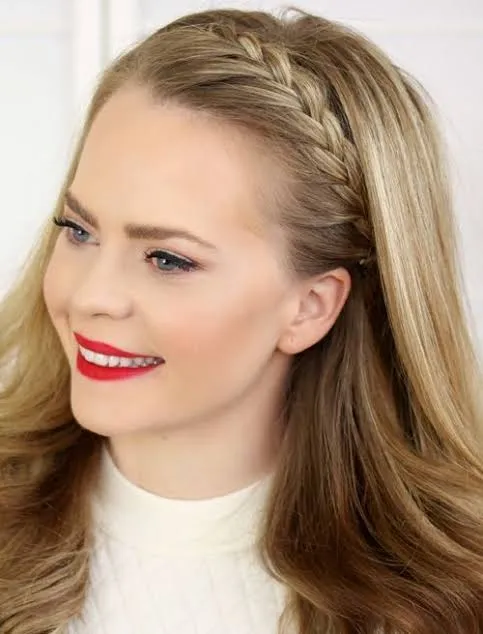
Braided headband hairstyles wrap a braid across the top of the head, sitting right at the hairline. This creates a soft border that visually cuts the forehead’s height, similar to how bangs work, but without any cutting involved.
A Dutch or French braid pulled loosely for texture looks best here. Leave a few strands out around the temples for a softer frame. This style is perfect for long or medium hair and works especially well with wavy texture since the braid holds shape longer. It suits boho, festival, and everyday casual looks, and it’s a favorite for hiding regrowth or oily roots between washes. If braids aren’t your thing, a headscarf offers a similarly quick fix.
9. Headscarves and Wide Headbands

A wide headband or scarf tied low across the forehead is one of the fastest styling tricks around. It physically covers part of the forehead while adding a pop of color or pattern that pulls focus away from proportions entirely.
Choose a headband that sits about an inch above your eyebrows rather than pushed back on top of your head. Silk scarves knot beautifully and slip less than cotton. This works with literally any hair length or texture, making it the most versatile option on this list. It fits casual, retro, and even boho-chic aesthetics depending on the fabric and print you choose. For something more permanent, consider a fringe that grows with your face shape long-term.
10. Long Layers With Face-Framing Pieces

Long layers cut specifically around the face, without a true fringe, soften a wide or tall forehead by breaking up the hairline gradually. The shortest layers usually land around the cheekbone, curving inward toward the jaw.
Ask for layers that start no higher than the cheekbone to avoid triangle-shaped ends near your temples. Waves or curls enhance the framing effect more than pin-straight hair does. This style works on any length past the shoulders and flatters nearly every face shape, especially oval and heart shapes. It’s a low-commitment option since there’s no bang maintenance involved. Next, let’s talk about a shorter cut that handles the same job differently.
11. The Textured Lob With Fringe
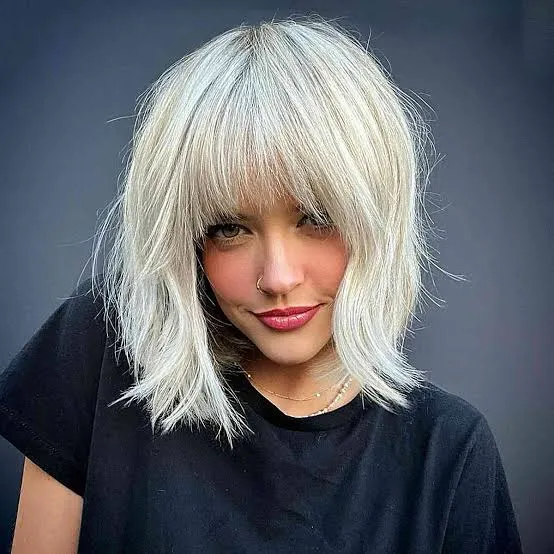
A lob, or long bob, paired with a soft fringe hits a sweet sport between short and long. The shorter overall length adds density near the face, while the fringe handles the forehead coverage directly.
Keep the lob landing around the collarbone and add face-framing layers that blend into the fringe for a seamless transition. A texturizing spray scrunched through damp hair enhances natural wave patterns. This combination works particularly well on medium-thickness hair and suits both modern minimalist and casual everyday styles. It’s also easier to maintain than long hair while still offering plenty of styling versatility. For those who prefer short hair entirely, a pixie can be shaped smartly too.
12. Pixie Cut With Side-Swept Fringe
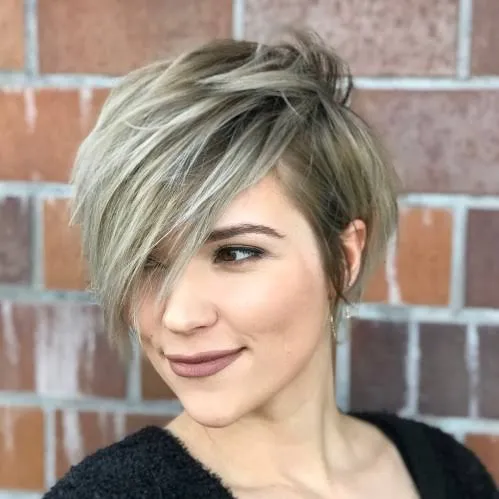
Short hair doesn’t mean you’re stuck showing your entire forehead. A pixie cut with a longer, side-swept piece in front handles coverage while keeping the rest of the cut short and low-maintenance.
Ask your stylist to leave extra length at the front hairline while keeping the sides and back tighter. Style the longer piece with a small round brush or your fingers and a bit of pomade. This works best on fine to medium hair, since thick hair can be harder to control in a short cut. It suits edgy, modern, and androgynous styles particularly well. Now, here’s a bonus option using bangs and volume together for maximum effect.
13. Bangs With Root Volume Combo
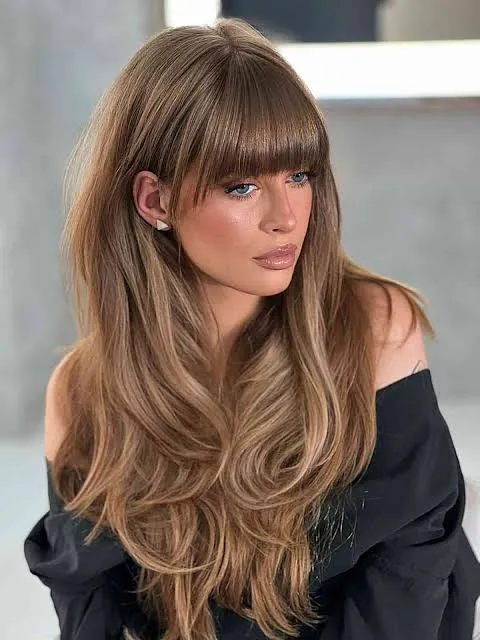
Combining bangs with deliberate volume at the roots doubles up the forehead-shortening effect. The bangs cover height directly while the root lift adds visual fullness that balances the whole upper face.
Blow-dry your roots with a round brush lifted straight up and away from the scalp before styling the bangs separately. A volumizing mousse applied only at the roots avoids weighing down the fringe. This combo works on any length and hair type, though fine hair benefits the most from the added lift. It’s a great match for anyone who wants maximum impact without changing their whole silhouette. For special events, an updo version of this concept works just as well.
14. Face-Framing Updo With Loose Bangs

An updo doesn’t have to expose your whole forehead. Pulling most of the hair back while leaving soft bangs or face-framing pieces down keeps coverage intact even in a formal style.
Choose a loose, textured bun or twist rather than a slicked-back style, since tension pulls attention straight to the hairline. Leave curtain bangs or side pieces out and curl them softly. This works on medium to long hair and suits weddings, proms, and other dressy events beautifully. It proves you don’t have to sacrifice your go-to coverage trick just because you’re dressing up. Curly hair has its own version of this same idea.
15. Curly Fringe or Curly Bangs

Curly and coily hair can absolutely wear bangs, they just need a different cutting approach. Curls shrink up significantly when they dry, so curly fringe is cut noticeably longer than it will actually sit once fully dry.
Always get curly bangs cut dry, never wet, so your stylist can see the true shrinkage pattern. A curl cream applied to soaking wet hair, then air-dried or diffused, keeps the shape defined. This style suits type 2 through type 4 curls and works with everything from a curly bob to long curly layers. It’s one of the most underused options for big foreheads simply because people assume curls and bangs don’t mix. Finally, let’s cover a style built entirely around texture rather than length.
16. Textured Crop With Fringe
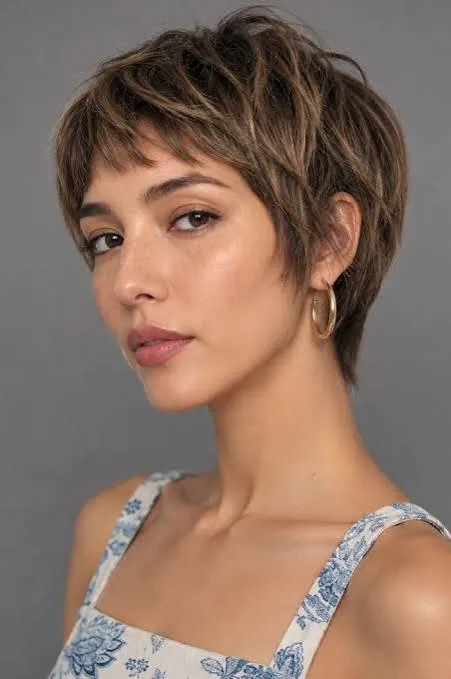
A textured crop is a short, choppy cut with a built-in fringe cut into the overall shape rather than as a separate piece. The choppiness adds movement and keeps a short cut from looking too severe or blocky.
Use a matte texture paste worked through damp hair with your fingers rather than a brush, which keeps the piecey look intact. This suits fine to medium straight or slightly wavy hair the best. It fits edgy, modern, and low-maintenance lifestyles, and it’s an easy style to maintain between salon visits since the choppy shape hides regrowth well. That wraps up all 16 styles, now let’s compare them side by side.
Quick Comparison Table: Which Style Fits You
| Hairstyle | Best Hair Type | Maintenance Level | Best For |
|---|---|---|---|
| Curtain Bangs | Straight, wavy, curly | Medium | Everyday wear, most face shapes |
| Full Blunt Fringe | Straight, thick | High | Bold, editorial looks |
| Side-Swept Bangs | Wavy, curly | Low | Growing out a fringe gracefully |
| Deep Side Part | Any | Very low | Zero-effort styling |
| Voluminous Crown Waves | Medium to long, any texture | Medium | Romantic, glam events |
| Wispy Feathered Fringe | Fine to medium | Medium | Soft, lived-in looks |
| Textured Fringe With Layers | Thick, coarse, curly | Medium | Reducing bulk in a fringe |
| Braided Headband | Long, wavy | Low | Festivals, casual days |
| Headscarves/Headbands | Any | Very low | Quick fixes, bad hair days |
| Long Layers, Face-Framing | Medium to long | Low | Low-commitment softening |
| Textured Lob With Fringe | Medium thickness | Medium | Balancing short and long |
| Pixie With Side Fringe | Fine to medium | Medium | Short, edgy styles |
| Bangs + Root Volume | Fine, any length | Medium | Maximum visual impact |
| Face-Framing Updo | Medium to long | Medium | Weddings, formal events |
| Curly Fringe | Curly, coily | High | Curl-specific coverage |
| Textured Crop With Fringe | Fine to wavy | Low | Short, low-maintenance cuts |
Common Mistakes and How to Avoid Them
Even a great haircut can go wrong with the wrong approach. Here are the slip-ups I see most often, and simple fixes for each one.
- Cutting bangs too thin. Thin, sparse bangs draw more attention to the forehead instead of less. Ask for a fuller panel of hair pulled from a wider section at the crown.
- Choosing a fringe that’s too short. Short, high-set bangs can actually make a forehead look taller. Aim for bangs that land at or just above the brow line.
- Ignoring hair texture during the cut. A style that looks perfect on straight hair can behave completely differently on curls. Always mention your natural texture before the scissors come out.
- Skipping root volume. Flat roots make the whole head look smaller in proportion to the forehead. A few extra minutes with a round brush fixes this instantly.
- Over-styling with heavy products. Thick pomades or gels can weigh bangs down until they separate and expose more skin than intended. Lighter, texturizing formulas work better for fringe specifically.
Similar Variations Worth Trying
If none of the 16 above feel like a perfect match, these close cousins offer a little more flexibility:
- Micro bangs styled loosely off the forehead, worn slightly grown out for a softer edge than a true blunt cut.
- Asymmetrical fringe, longer on one side, which pairs well with an already deep side part.
- Half-up styles with bangs left down, blending the coverage of a fringe with the ease of an updo.
- Wolf cut with bangs, combining heavy layering with a shaggy fringe for a trendy, textured look.
Hair Care Tips for Big-Forehead-Friendly Hairstyles
Any of these styles will only look as good as the hair underneath. Keep these habits in your routine:
- Wash bangs more often than the rest of your hair. Fringe sits against your skin and collects oil faster, so a quick rinse or dry shampoo keeps it looking fresh.
- Use heat protectant every time you style. Bangs and face-framing pieces get more daily heat exposure than the rest of your hair, so they need extra protection.
- Trim fringe every three to four weeks. Bangs grow out of shape fast, and a slightly-too-long fringe stops doing its job.
- Condition the ends, not the roots, on wavy or curly fringe. This keeps curl definition without weighing bangs down.
- Sleep on a silk or satin pillowcase. This reduces frizz and helps face-framing pieces keep their shape overnight.
At the end of the day, styling around a big forehead isn’t about hiding anything, it’s about balance. With the right fringe, part, or layer placement, you can turn what feels like a limitation into your best feature. Pick one of these 16 hairstyles for women with big foreheads, bring a photo to your stylist, and you’ll walk out with a look that actually works for your face.