
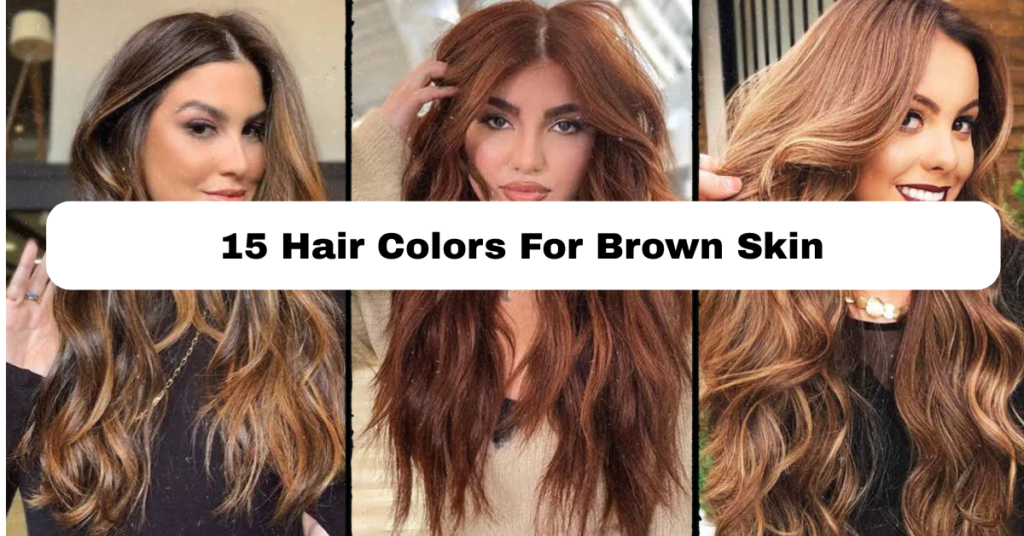
Hair colors for brown skin may either enhance your skin tone or drain all the natural radiance right off it. After comparing many shades to various undertones, I know for sure which colors will work for you and which won’t despite looking pretty on a swatch. Let me give you advice on how to choose perfect shades that will look good on brown skin, why these hair colors will suit you and what particular aspects you should consider when choosing a new hair color.
But what is the best hair color for brown skin? The colors that include caramel, honey blonde, chestnut, and copper tones will flatter you the most due to being the most flattering for warm and neutral undertones. You should also go for ash brown and jet black colors if you have cool undertones.
Stay tuned because further in my article I’m going to reveal major color mistakes people with brown skin often make while coloring and hair care regime to keep your hair in optimal condition.
Why Undertone Matters More Than Skin Depth
A lot of hair color guides focus only on how deep or light someone’s skin is, but that’s really only half the story. Undertone, whether your skin leans warm, cool, or neutral, has a much bigger impact on which colors actually flatter you. Warm undertones tend to have gold, peachy, or yellow hints and usually pair beautifully with warm hair colors like caramel or copper. Cool undertones lean pink, red, or blue and often look best with ash tones, cool browns, or jet black. Neutral undertones sit right in the middle and can usually pull off both warm and cool shades with a little adjustment. A simple way to check your undertone: look at the veins on your wrist in natural light. Green veins usually mean warm undertones, blue or purple veins usually mean cool undertones, and a mix of both often points to neutral.
1. Caramel Balayage
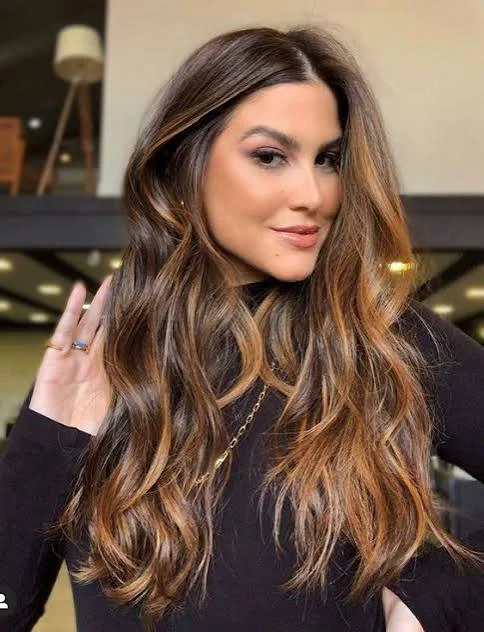
Caramel is one of the most universally flattering hair colors for brown skin, especially on medium to deep complexions with warm undertones. Painted in soft, hand-blended streaks through the mid-lengths and ends, caramel balayage adds warmth and dimension without requiring a dramatic color change. This technique grows out gracefully since there’s no harsh root line to maintain. It suits nearly every hair texture, from straight to tightly coiled, and works for both casual and professional settings.
A helpful tip: ask for caramel with a slight golden undertone rather than a cooler beige-caramel, since gold tones tend to read more naturally against warm brown skin. From soft caramel, let’s look at a richer, more saturated alternative.
2. Honey Blonde Highlights
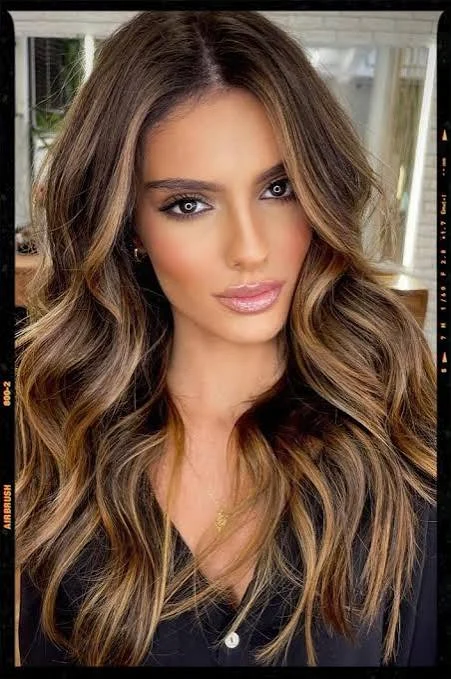
Honey blonde brings brightness without the harshness that can come with platinum or ash blonde shades, making it a popular choice for brown skin with warm to neutral undertones. Placed as highlights rather than an all-over color, honey blonde adds dimension while letting your natural darker base show through underneath. This look flatters medium to deep skin tones especially well and works for both everyday wear and special occasions.
A practical tip: request highlights placed slightly heavier around the face, since honey tones near the face reflect light back onto the skin and create a natural, sun-kissed glow. Let’s move next to a deeper, richer brown option.
3. Rich Chestnut Brown
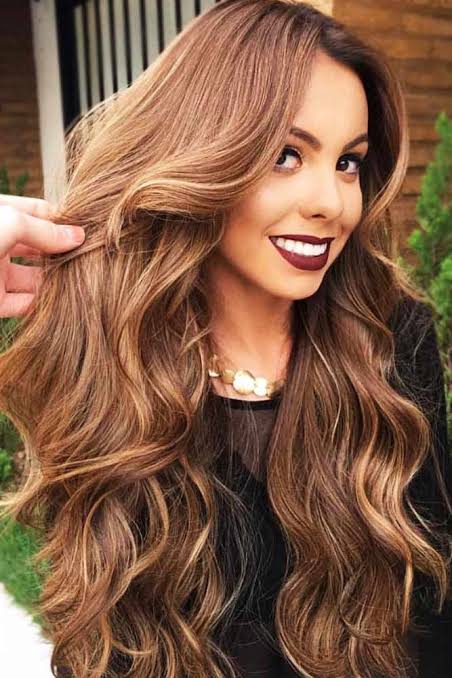
Chestnut brown combines deep brown with warm red undertones, creating a rich, glossy color that flatters nearly every brown skin tone. This shade works particularly well as an all-over color since it reads as natural rather than obviously dyed. It suits both warm and neutral undertones and pairs beautifully with gold jewelry and warm-toned makeup.
A tip worth remembering: ask your colorist for a gloss treatment alongside chestnut color, since this shade relies heavily on shine to look its richest. From deep brown, let’s shift toward a bold, fiery alternative.
4. Copper Red
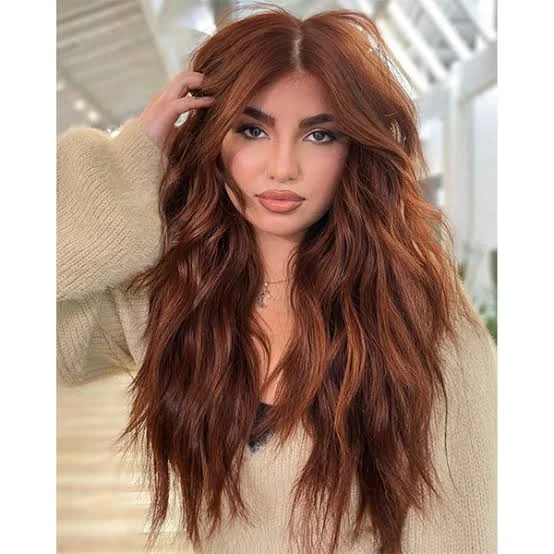
Copper is a bold, vibrant choice that flatters brown skin with warm undertones exceptionally well, since the orange-red base echoes the warmth already present in the skin. This color works as a full head of color or as bold highlights woven through a darker base. It suits medium to deep skin tones and creates striking contrast that photographs beautifully.
A helpful tip: copper fades faster than most other shades, so plan for a gloss refresh every four to six weeks to keep the color from turning brassy or dull. Next, let’s look at an option built for lower maintenance.
5. Warm Chocolate Brown
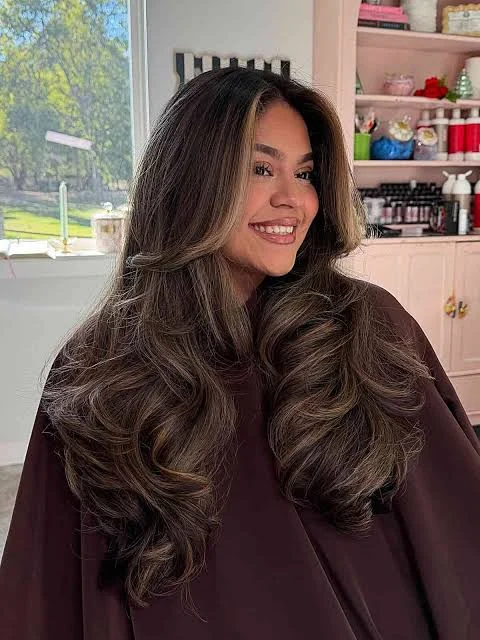
Warm chocolate brown takes a classic, natural-looking shade and adds just enough red or gold undertone to keep it from looking flat or one-dimensional. This color suits nearly every brown skin tone and undertone, making it one of the safest and most versatile options on this list. It works beautifully for professional settings and requires relatively low maintenance since it’s close to many people’s natural base color.
A tip that matters here: add subtle babylights (fine, delicate highlights) throughout for dimension without committing to a bolder color change. From versatile and safe, let’s move to something with serious visual impact.
6. Golden Blonde Balayage
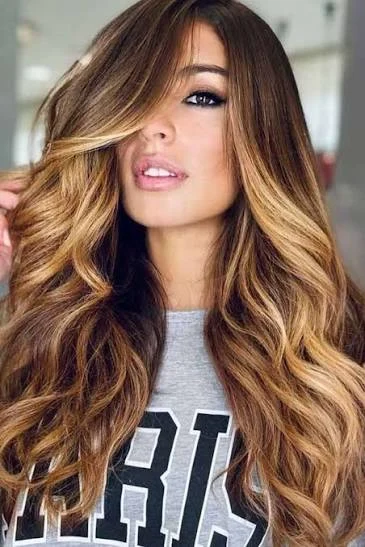
Golden blonde, painted through darker brown hair using a balayage technique, creates a warm, sun-drenched effect that flatters deep skin tones with warm undertones beautifully. Unlike platinum or icy blonde, golden blonde carries enough warmth to avoid looking harsh against brown skin. This technique works on nearly every hair length and texture.
A practical tip: ask for a “money piece” placement in addition to all-over balayage, meaning bold pieces framing the face specifically, since this draws extra brightness right where it matters most. Let’s transition now to a cooler-toned option for different undertones.
7. Cool Ash Brown
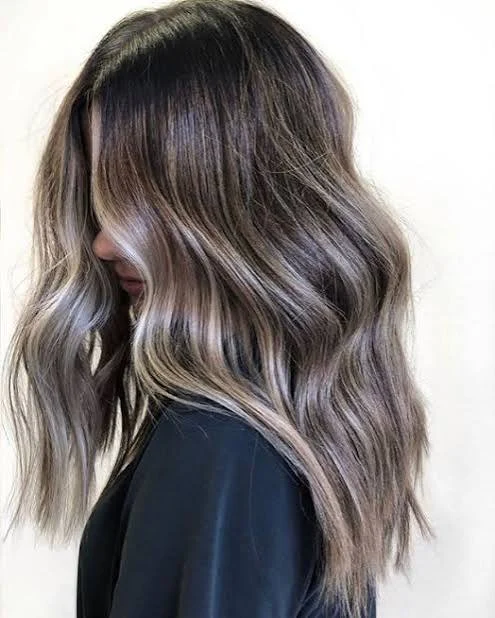
For brown skin with cooler undertones, ash brown offers a flattering alternative to the warmer shades dominating most color guides. This shade neutralizes any unwanted warmth or brassiness, creating a smooth, sophisticated look. It suits fair to deep brown skin with pink or blue undertones and reads as polished and modern. A tip worth trying: ash tones require purple or blue-based toning shampoo between salon visits, since ash color fades toward warmth faster than it fades toward more ash. From cool tones, let’s look at a deep, dramatic option that works on nearly everyone.
8. Jet Black With Blue Undertones
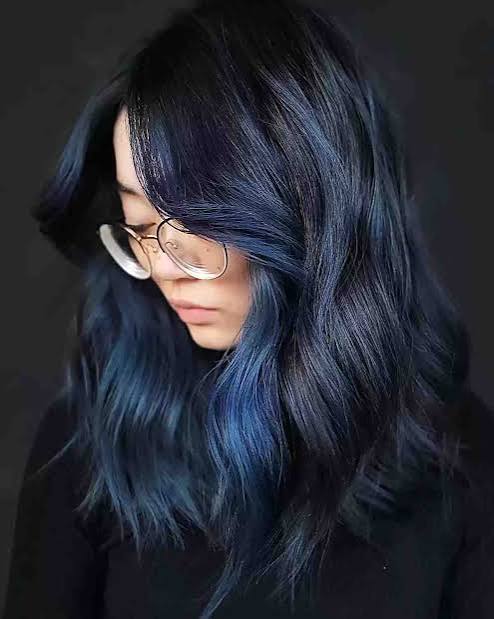
Jet black, especially with subtle blue undertones rather than a flat, matte black, creates striking shine and contrast against brown skin of nearly any undertone. This color has been a classic for a reason: it’s dramatic, timeless, and requires very little upkeep once applied. It suits every brown skin depth and pairs beautifully with bold makeup or minimalist, no-makeup looks alike. A helpful tip: use a glossing treatment specifically formulated for dark hair, since jet black can look dull without regular shine maintenance. Next, let’s move to a trendier, dimensional option.
9. Bronde (Blonde-Brown Blend)
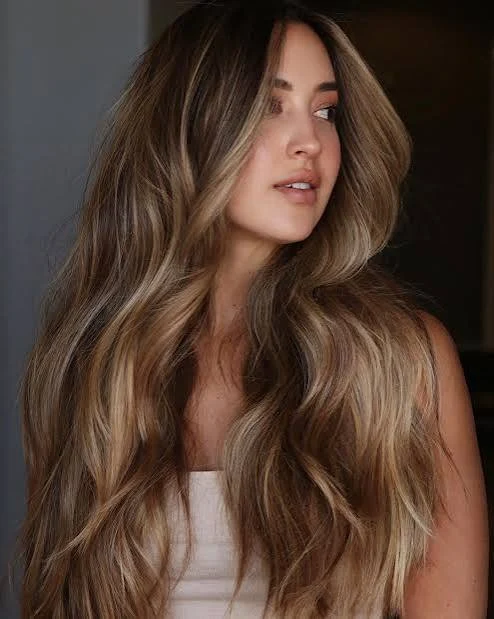
Bronde blends blonde and brown tones together, creating a soft, low-maintenance color that works on both warm and neutral undertones. This shade avoids the higher upkeep of full blonde while still adding brightness and dimension beyond a standard brown base. It suits medium to deep skin tones especially well and flatters nearly every face shape. A tip to remember: bronde looks most natural when the blonde pieces are concentrated toward the ends rather than painted uniformly throughout, since this mimics how hair naturally lightens from sun exposure. Let’s shift now toward a bold, cool-toned statement color.
10. Deep Plum or Burgundy
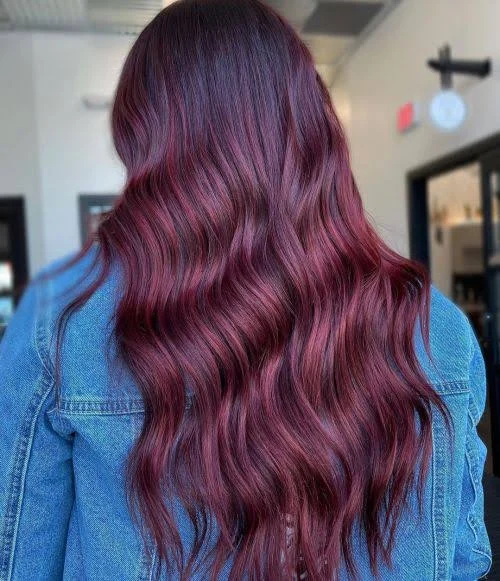
Plum and burgundy shades offer a dramatic alternative to traditional browns and blondes, working beautifully on brown skin with cool to neutral undertones. These jewel tones add richness and depth, especially when styled with glossy, well-defined curls or sleek, straight styles. They suit deeper skin tones particularly well, creating striking contrast without looking harsh. A practical tip: this color category fades toward brown fastest, so a color-depositing conditioner used weekly extends vibrancy significantly between salon visits. From bold jewel tones, let’s move to something warmer and more golden.
11. Warm Auburn
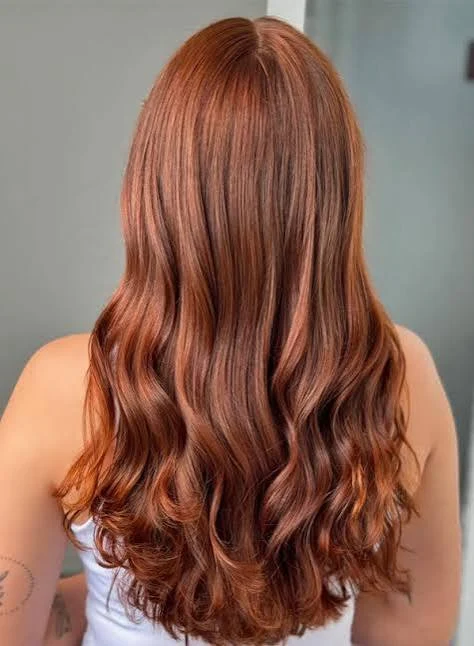
Auburn sits between red and brown, offering warmth and richness without the full commitment of a bright copper shade. This color flatters brown skin with warm undertones exceptionally well and works as both an all-over color and a balayage technique. It suits medium to deep skin tones and pairs beautifully with gold-toned accessories. A tip worth trying: request a slightly deeper auburn at the root fading into a brighter auburn through the ends, since this creates natural-looking dimension without a harsh grow-out line. Next, let’s cover a subtle, low-commitment option.
12. Subtle Balayage on a Natural Base
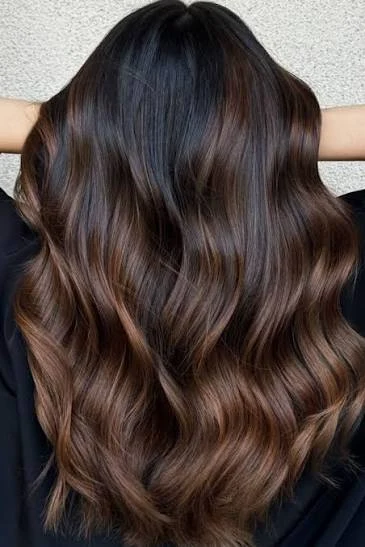
Rather than changing your base color entirely, subtle balayage that’s only a few shades lighter than your natural color adds dimension while staying extremely low-maintenance. This technique works on every brown skin tone since it’s customized to enhance, rather than replace, your existing color. It suits every hair texture and length and works for people wanting the “lived-in color” trend without a drastic change. A helpful tip: bring a photo of your natural hair color in sunlight to your appointment, since colorists can match balayage placement more precisely when they see how your hair already lightens naturally. From subtle changes, let’s look at a bold, editorial-style option.
13. Face-Framing Copper Highlights on a Dark Base
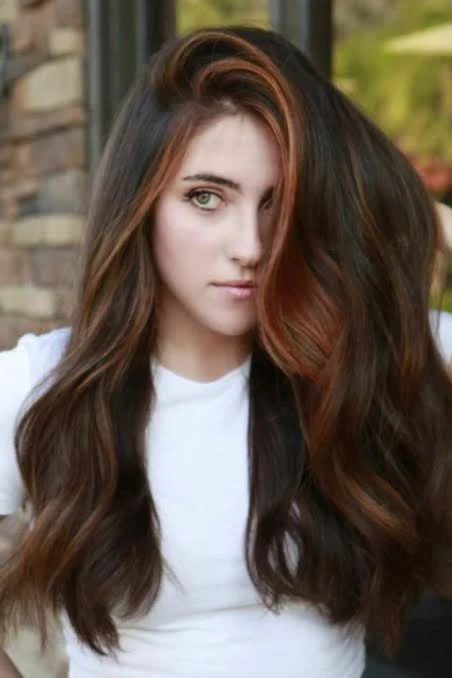
Rather than committing to copper all over, placing bold copper highlights only around the face on an otherwise dark base gives you drama with a lower maintenance commitment. This technique draws attention toward the eyes and cheekbones, flattering warm undertones especially. It suits medium to deep skin tones and works well for both everyday wear and special events. A tip that matters: ask for the highlights placed asymmetrically rather than perfectly symmetrical, since a slightly uneven placement tends to look more natural once hair moves and falls. Let’s transition to a color technique built around low-maintenance root blending.
14. Root Melt Into Honey Tones
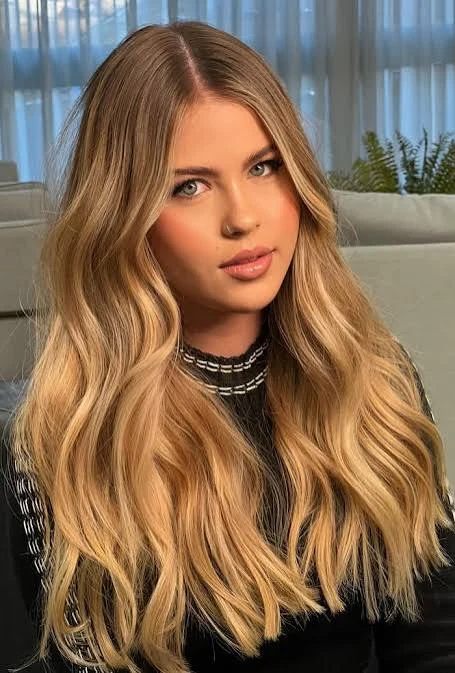
A root melt blends your natural or darker root color gently into honey-toned ends, avoiding any harsh line of demarcation. This technique dramatically reduces how often you need touch-ups, since regrowth blends into the style rather than standing out. It works beautifully for warm and neutral undertones and suits nearly every hair length. A practical tip: this technique pairs especially well with lower-maintenance lifestyles or anyone growing out a previous, more dramatic color change. Finally, let’s close with a color idea built entirely around dimension rather than a single dominant shade.
15. Multi-Tonal Brunette (Blended Browns)
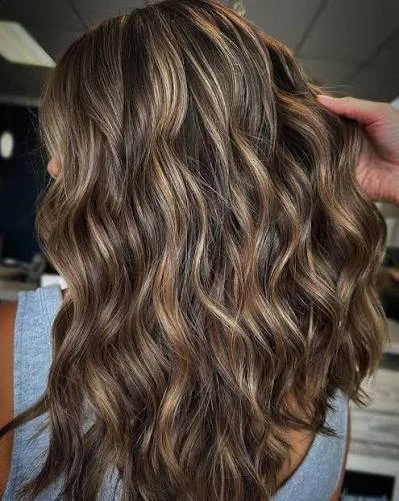
Rather than choosing a single brown shade, blending two or three different brown tones throughout the hair creates a rich, dimensional finish that catches light beautifully at every angle. This technique works on literally every brown skin tone and undertone, making it one of the safest and most universally flattering choices on this entire list. A tip to remember: this technique takes longer in the chair than single-process color, so budget extra time and expect a slightly higher cost compared to a flat, one-tone application.
Hair Color Comparison at a Glance
Undertone Match and Maintenance Level by Shade
| Hair Color | Best Undertone | Maintenance Level | Touch-Up Window |
|---|---|---|---|
| Caramel Balayage | Warm | Low | 10–14 weeks |
| Honey Blonde Highlights | Warm to Neutral | Medium | 8–10 weeks |
| Rich Chestnut Brown | Warm to Neutral | Low | 6–8 weeks |
| Copper Red | Warm | High | 4–6 weeks |
| Warm Chocolate Brown | Warm, Cool, Neutral | Very Low | 8–12 weeks |
| Golden Blonde Balayage | Warm | Low | 10–14 weeks |
| Cool Ash Brown | Cool | Medium | 6–8 weeks |
| Jet Black With Blue Undertones | Warm, Cool, Neutral | Very Low | 8–12 weeks |
| Bronde | Warm to Neutral | Low | 10–12 weeks |
| Deep Plum or Burgundy | Cool to Neutral | Medium | 6–8 weeks |
| Warm Auburn | Warm | Medium | 6–8 weeks |
| Subtle Balayage on Natural Base | Warm, Cool, Neutral | Very Low | 12–16 weeks |
| Face-Framing Copper Highlights | Warm | Medium | 8–10 weeks |
| Root Melt Into Honey Tones | Warm to Neutral | Very Low | 12–16 weeks |
| Multi-Tonal Brunette | Warm, Cool, Neutral | Low | 10–12 weeks |
Common Mistakes and How to Avoid Them
Choosing a color based on trend photos alone : A color that looks stunning on someone else’s undertone can completely wash you out on your own skin. Always check a color against your specific undertone before committing, not just against your skin depth.
Skipping a consultation before lightening : Going straight into a lightening service without discussing your hair’s current condition and porosity risks unexpected brassiness or damage. Book a consultation first, especially for any color requiring bleach.
Ignoring how color fades over time : Some shades, like copper and ash, fade unevenly and can shift toward tones you didn’t intend. Ask your colorist which toning products will keep your specific shade looking fresh between visits.
Over-processing in a single session : Trying to go from a very dark base to a much lighter shade in one sitting often causes serious breakage. A gradual, multi-session approach protects hair health far better than rushing the process.
Neglecting protein treatments after coloring : Color processing weakens hair’s internal protein structure, and skipping post-color protein treatments leaves strands prone to snapping. Add a protein treatment to your routine every few weeks after a color service.
Using regular shampoo on color-treated hair : Standard shampoo, especially sulfate-based formulas, strips color fast and shortens how long a fresh dye job actually lasts. Switch to a sulfate-free, color-safe shampoo immediately after any coloring service.
Similar Variations Worth Trying
- Cinnamon brown: a warmer, slightly redder alternative to standard chestnut for deeper warmth.
- Cool-toned mushroom brown: a trendy, muted brown for cooler undertones wanting something modern.
- Bronzed copper balayage: blends copper and bronze tones for extra dimension on warm undertones.
- Espresso brown with subtle highlights: a deeper, richer alternative to standard chocolate brown.
- Rose gold-brown blend: a softer, trend-forward option for neutral undertones wanting a hint of color.
Hair Care Tips for Hair Colors For Brown Skin
- Use a sulfate-free, color-safe shampoo and conditioner to extend the life of any color treatment.
- Deep condition weekly, since color-treated hair loses moisture faster than untreated strands.
- Apply a leave-in with UV protection, since sun exposure fades warm tones like copper and caramel especially quickly.
- Rinse with cool water rather than hot, since heat opens the hair cuticle and speeds up color fading.
- Schedule regular gloss or toner refreshes between full color appointments to keep tones from turning dull or brassy.
- Get a trim every eight to twelve weeks, since split ends make color look less vibrant and healthy overall.
Final Thoughts
Choosing from these hair colors for brown skin really comes down to understanding your undertone first, then picking a shade and technique that enhances it rather than fighting against it, whether that’s warm caramel balayage or a bold copper red. Every color on this list was chosen specifically because it works with brown skin’s natural warmth or coolness instead of clashing with it.
Bring a few reference photos to your next appointment and have an honest conversation with your colorist about your undertone and hair’s current condition, since that conversation makes all the difference in the final result. Whichever shade you land on, these hair colors for brown skin prove that the right color can genuinely make your complexion look brighter, warmer, and more radiant than ever.