
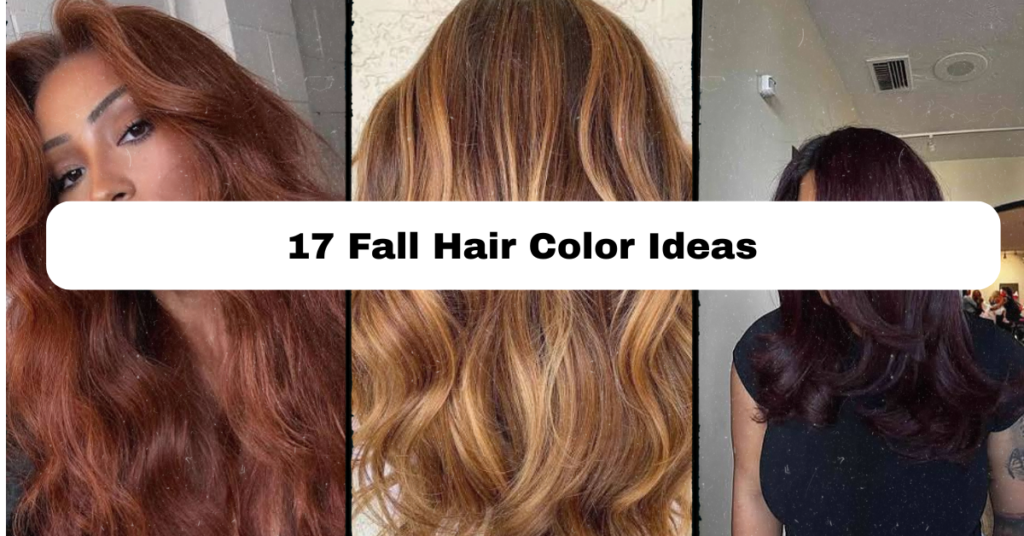
I have tried many different types of box dyeing and I have gone through many salon hair dye appointments and I know the difference between the hair color which works and the one that looks nice on Pinterest photos only. This firsthand knowledge is exactly what you are going to get in this guide where you will find information about what really matters before you sit in that salon chair.
But what are the best fall hair color ideas? The top fall hair colors for 2026 are copper cinnamon, pumpkin spice balayage, deep burgundy, mahogany red, chocolate caramel melt, and espresso brown. The thing about these hair colors is that they resemble autumn leaves and spices and thus suit many people while transitioning nicely from the brighter summer to the darker winter hair color.
Keep reading and I will show you how to choose from 17 of the best fall hair color ideas, as well as how to match them with your skin tone, the maintenance schedule, costs of DIY versus salon and the most common mistakes to avoid.
Why Fall Is the Best Season to Change Up Your Hair Color
Have you ever noticed how fast the schedule of your hairstylist is booked from the moment of September? There is a good reason for that. Fall hair coloring is more than a trend; it’s about synchronizing with your hair cycle. Summer tanning and drying process leave the ends of your hair faded and dry, but autumn is the time when you could use that period of lower humidity to rejuvenate your hair by adding dark hues or correcting brassy tone.
In addition, there is some kind of emotional association when you think about the colors of autumn – warm oranges, deep reds, toasty browns – pumpkins, fallen leaves, cinnamon lattes… It seems like fall hair colors are a natural thing. I have found that my clients who pick those fall hues stick to them longer than any others due to their timeless nature. Now let me tell you about the hues themselves.
17 Fall Hair Color Ideas to Try This Season
1. Copper Cinnamon
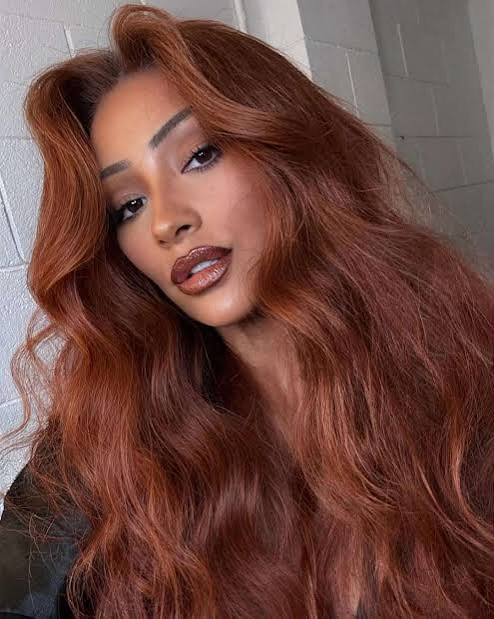
Copper cinnamon works because it splits the difference between red and orange, giving you warmth without looking like a Halloween wig. The fundamental principle here is layering multiple copper tones — light, medium, and deep — so the color has depth instead of sitting flat like a single-process dye job. Ask your colorist for a base of medium copper with slightly deeper roots and lighter, almost glossy strands framing your face. A foil or balayage technique both work, though balayage gives a softer grow-out.
My practical tip: use a color-depositing conditioner between salon visits to keep the copper from fading into a dull orange-brown. This shade suits modern, minimalist wardrobes just as easily as boho or vintage-inspired styles, and it solves the common problem of hair that reads “orange” instead of “rich” by balancing warmth with just enough brown underneath.
2. Pumpkin Spice Balayage
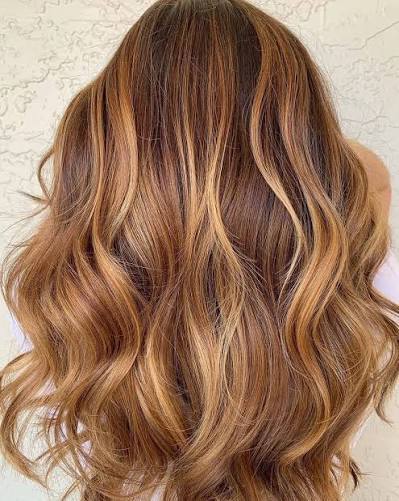
This one is basically fall in hair form, and it earns its popularity honestly. Pumpkin spice balayage blends a warm brown base with hand-painted streaks of burnt orange and golden amber, concentrated toward the mid-lengths and ends. The technique matters as much as the color choice: balayage is painted on freehand rather than foiled, which creates a sun-kissed, natural gradient instead of harsh stripes. For color combinations, ask for three tones — a deep brown root, a burnt orange mid-section, and a golden blonde tip.
One practical tip that saves a lot of frustration: request a “toner refresh” every six to eight weeks rather than a full balayage redo, since the color fades gradually rather than all at once. This look is especially flattering on wavy or curly hair because the texture catches and separates the different tones, and it fits casual, everyday style just as well as it fits a polished office look.
3. Deep Burgundy Wine
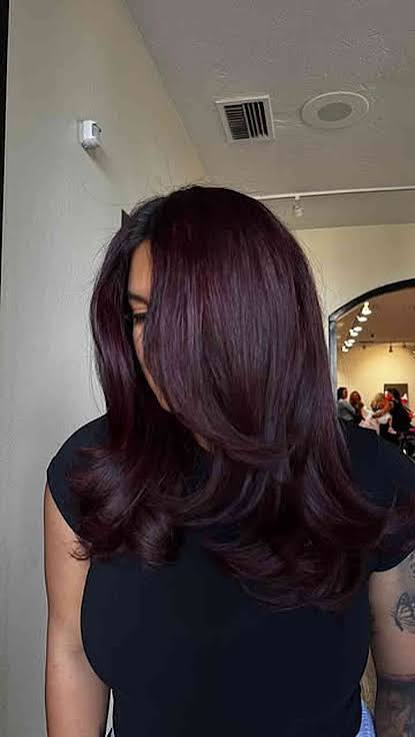
Deep burgundy wine is the fall color for anyone who wants drama without going full black. The core idea is a red-violet base that reads almost black in low light but reveals rich wine tones in the sun. Because this color leans dark and cool-toned, it pairs beautifully with jewel-tone clothing and deeper makeup looks typical of autumn wardrobes. A key implementation tip: burgundy dye stains porous or previously lightened hair unevenly, so a colorist should do a strand test first, especially if you’ve had highlights in the past year.
Use a purple or blue-based color-safe shampoo sparingly, since burgundy actually needs its red pigment preserved rather than neutralized. This shade suits both sleek, modern cuts and softer, traditional waves, and it solves the “I want dark hair but not boring black” dilemma perfectly.
4. Chocolate Caramel Melt
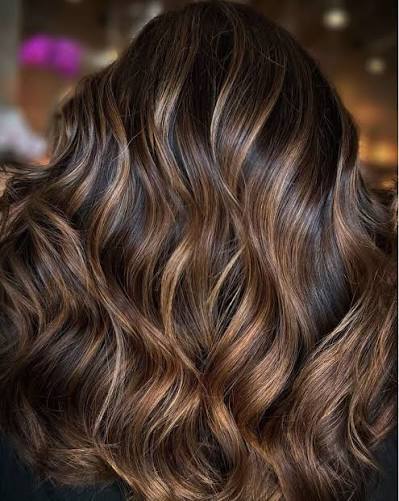
The “melt” technique is what separates this from a basic two-tone dye job. Chocolate caramel melt starts with a rich, cool-toned chocolate brown at the roots that gradually and seamlessly transitions into warm caramel through the mid-lengths and ends, with no visible line of demarcation. The blending is done with a soft brush or teasing comb while the color is still processing, which is why this is best left to a professional colorist rather than attempted at home. For upkeep, root touch-ups are only needed every ten to twelve weeks since the melt is designed to grow out gracefully.
My tip: request “money piece” caramel framing around your face for extra brightness without committing to full highlights. This color complements straight, sleek hairstyles as well as loose curls, and it’s a smart solution if you want lived-in color that doesn’t demand constant salon visits.
5. Mahogany Red
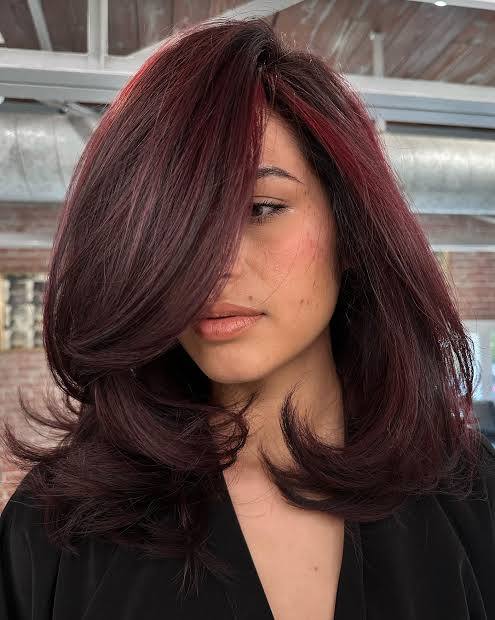
Mahogany red combines deep brown with a strong red-violet undertone, creating a color that looks almost mysterious depending on the lighting. This shade works on nearly every skin tone because the brown base tempers the intensity of the red, keeping it sophisticated rather than costume-like. For best results, ask your stylist for a semi-permanent gloss layered over a permanent base — this keeps the red vibrant since red pigment molecules are famously the first to fade.
A practical tip: wash your hair in cool or lukewarm water only, since hot water opens the hair cuticle and strips red tones fastest of any color family. Mahogany works well with both traditional bob cuts and long layered styles, and it solves the common complaint that red hair “always looks brassy” by keeping the tone grounded in brown.
6. Golden Amber Glow
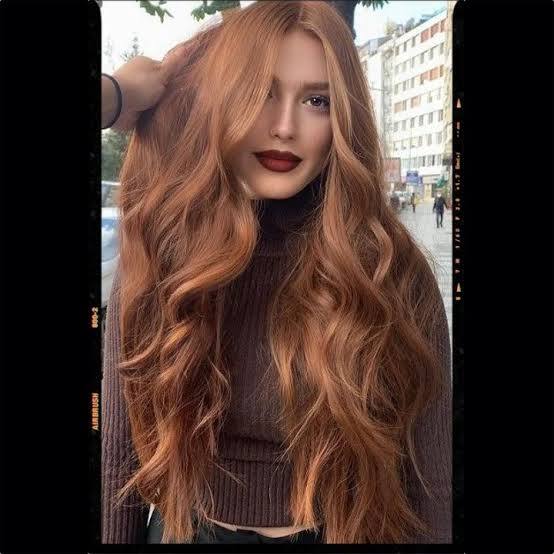
Golden amber glow leans into yellow-orange warmth rather than red, making it one of the brighter, more attention-grabbing options on this list. The color principle here is building dimension through multiple gold tones rather than one flat shade, using foils placed strategically around the crown and face-framing sections. For color combinations, pair a caramel-gold base with lighter honey highlights concentrated at the ends.
One tip that makes a real difference: use a weekly gloss treatment to maintain shine, since gold tones can look dull faster than cooler shades. This look pairs naturally with a modern shag or layered cut where movement shows off the multi-tonal effect, and it addresses the challenge of finding a blonde-adjacent color that still feels appropriate for autumn rather than summer.
7. Espresso Brown
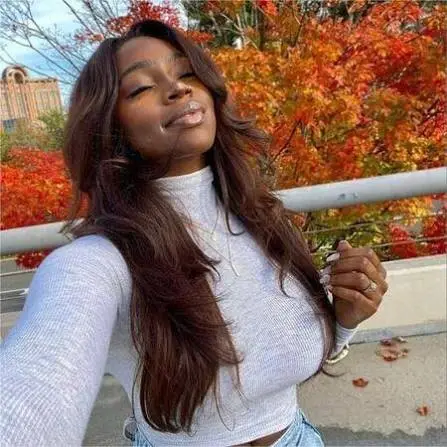
Espresso brown is the deepest, richest brown you can go without tipping into black, and it’s a favorite for anyone wanting a low-maintenance but striking fall color. The color sits close to your natural pigment for most brunettes, meaning minimal root maintenance and fewer salon visits — often just once every three months. For added dimension, ask for subtle babylights (extremely fine highlights) rather than chunky pieces, which keeps the look sophisticated rather than stripy. A practical implementation tip: use a brown or clear glossing treatment monthly to keep the color from turning flat or dull. This shade is versatile enough for sleek professional styles and textured, casual looks alike, and it solves the problem of wanting darker hair that still photographs with depth instead of looking like a solid block of color.
8. Toffee Blonde
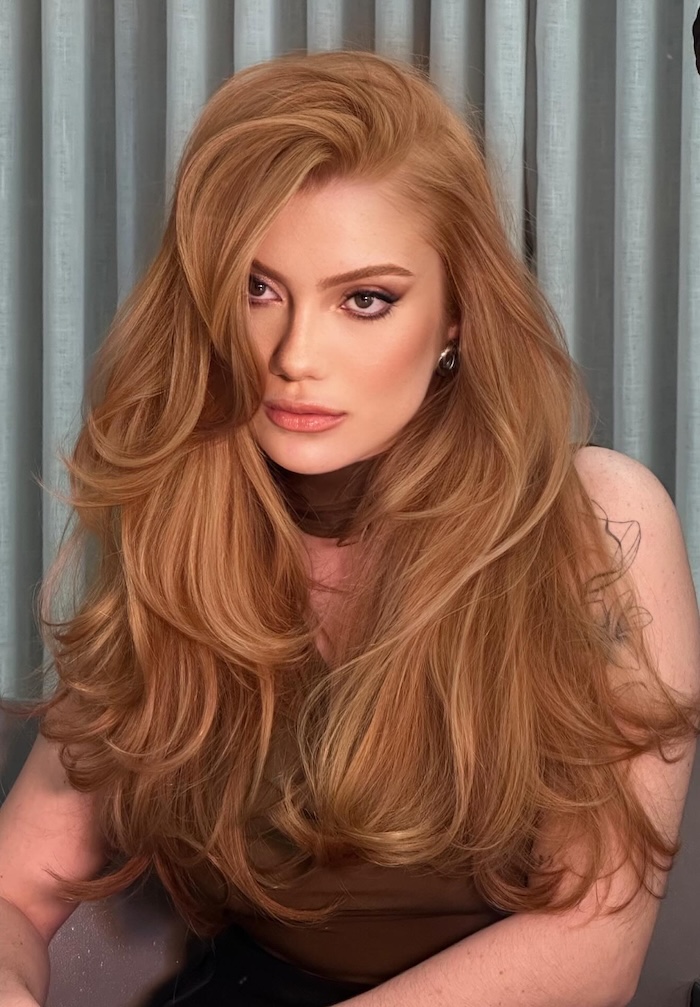
Toffee blonde takes traditional blonde and warms it up for the season with caramel and honey undertones rather than the icy or ash tones popular in summer. The technique typically involves a base color one to two shades darker than your usual blonde, with warm highlights woven throughout for texture. Pair this with warm-toned makeup and gold jewelry rather than silver for a cohesive look. My tip: switch to a purple shampoo only once every two weeks instead of the usual weekly use, since toffee blonde needs to retain warmth rather than get neutralized toward ash. This color flatters wavy or curly textures especially well, as the multiple tones catch light differently through each curl, and it solves the seasonal problem of blonde hair looking “too summery” by grounding it in richer, toastier tones.
9. Rich Auburn
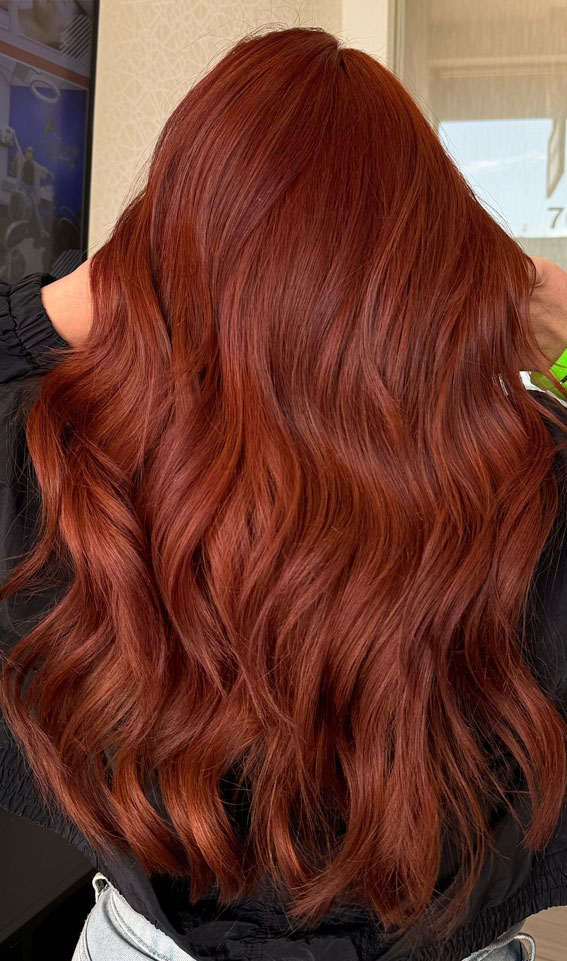
Rich auburn sits between red and brown, giving you a color with the warmth of red but the everyday wearability of brunette. This is achieved by using a red-brown permanent dye rather than a pure red, which also means it fades more gracefully over time instead of turning brassy orange. For dimension, request subtle copper highlights around the face to catch light. A useful tip: auburn hair benefits enormously from a weekly deep conditioning mask, since red-based dyes tend to be more drying than brown formulas. This shade suits nearly every hairstyle from blunt bobs to long layers, and it addresses one of the most common fall hair color requests — wanting to look warm and seasonal without being loud about it.
10. Bronze Balayage
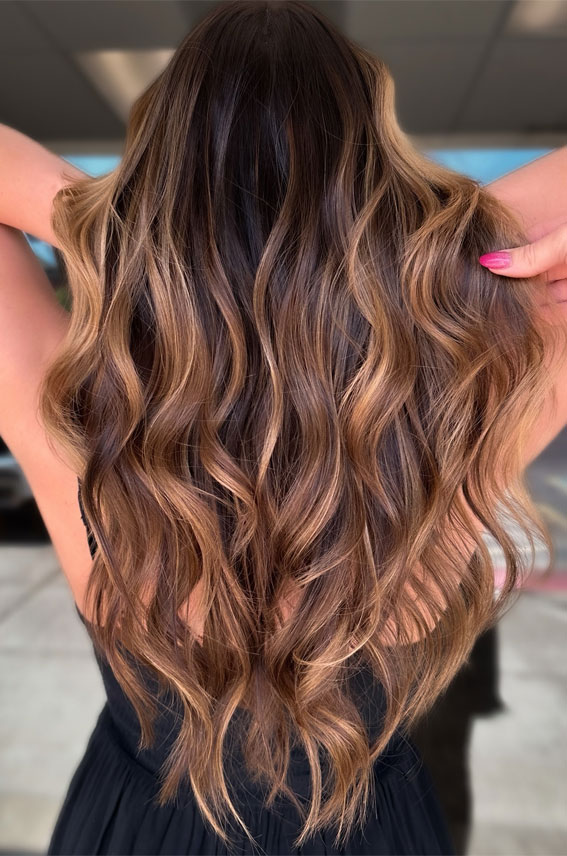
Bronze balayage combines cool undertones from your natural hair with warm, metallic bronze highlights for a color that shifts appearance depending on the light — sometimes looking brown, sometimes looking almost rose-gold. The hand-painted technique keeps the highlights soft and diffused rather than sharply defined. For color pairing, ask your colorist to keep the roots close to your natural shade and concentrate the bronze tones from the mid-shaft down. My tip: bronze tones fade toward gold fastest, so a bi-weekly gloss at home (many brands sell at-home gloss kits) extends your salon color noticeably. This look works beautifully with modern, textured cuts and solves the challenge of wanting highlights that don’t scream “summer blonde.”
11. Plum Aubergine
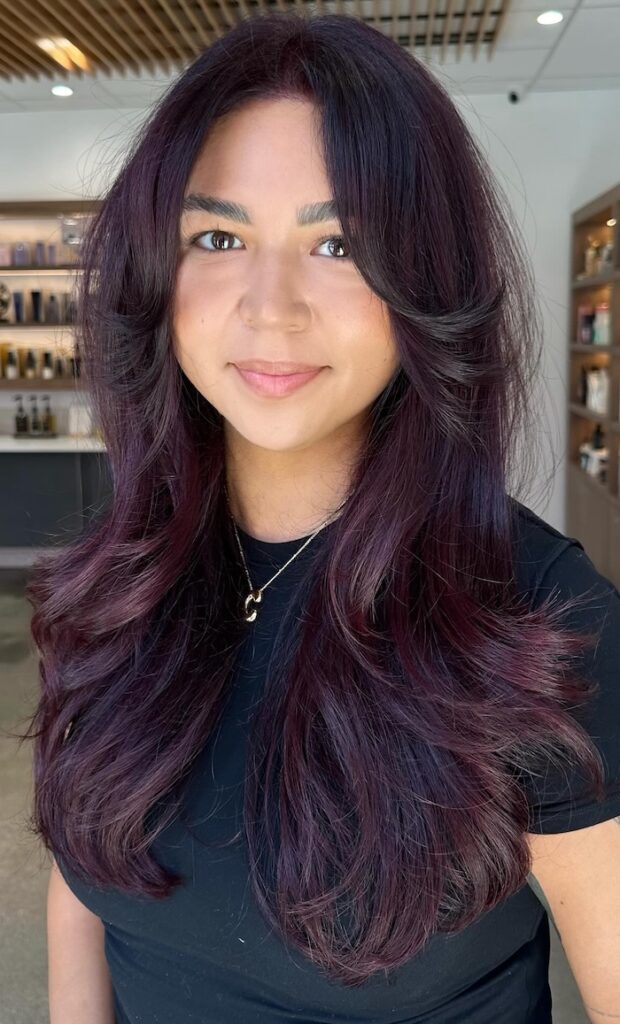
Plum aubergine is one of the boldest entries on this list, built around a deep purple-brown base that reads almost black in shade but reveals rich plum tones in direct light. This color requires a colorist experienced with fashion-forward shades, since achieving true plum on darker natural hair sometimes requires a subtle lift first. Pair this shade with matte makeup finishes and deep berry lip colors for a cohesive autumn aesthetic. A practical tip: plum fades to muddy brown faster than most colors, so plan on a refresh gloss every four to six weeks if you want to keep the purple visible. This works particularly well on sleek, straight styles where the single, saturated tone can shine, and it solves the problem of wanting a “fun” color that’s still office-appropriate.
12. Honey Brown Highlights
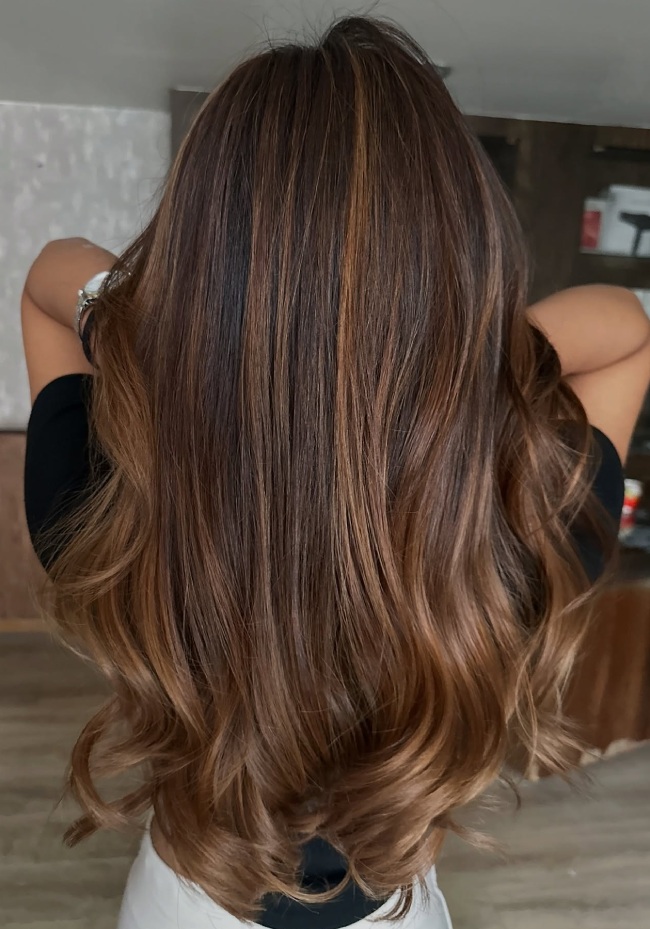
Honey brown highlights take a classic brunette base and add warm, golden-brown pieces throughout, creating movement without a dramatic color change. This is one of the most low-commitment options on the list, ideal for anyone testing out fall color for the first time. The highlights are typically placed using a foil technique for precision, focused around the crown and face-frame. For upkeep, a toner refresh every eight weeks keeps the honey tones from fading into a flat brown. My tip: ask for “foilyage” — a hybrid of foils and balayage — for a softer, more natural highlight pattern than traditional foils alone. This color suits nearly any hair length or texture and solves the common concern of wanting some change without committing to a full color overhaul.
13. Terracotta Red
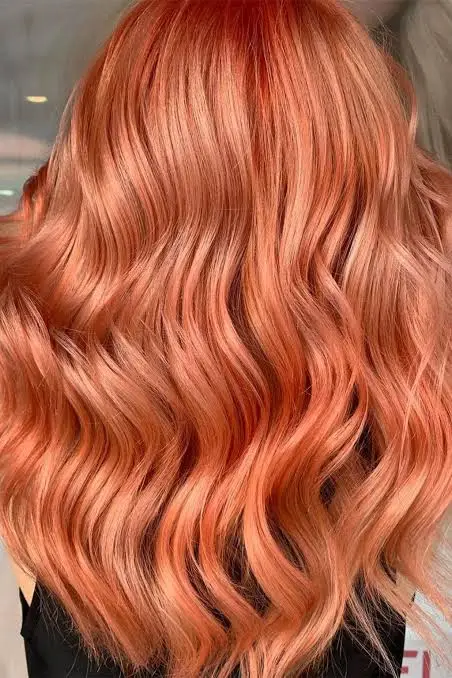
Terracotta red draws its name directly from the earthy, clay-orange pottery color, and it’s become one of the more distinctive fall shades in recent seasons. Unlike a pure copper, terracotta leans slightly more muted and brownish, giving it a more grounded, sophisticated finish. Achieving this shade typically requires lightening dark hair first, so it’s best suited to those with medium brown or lighter natural hair, or those willing to commit to a multi-session lightening process. A useful tip: because terracotta sits in the orange family, use a blue-based toning shampoo sparingly and only if the color starts leaning too bright rather than earthy. This shade pairs well with textured lobs and shag cuts, and it solves the challenge of wanting an orange-adjacent color that doesn’t feel costume-like.
14. Dark Chestnut
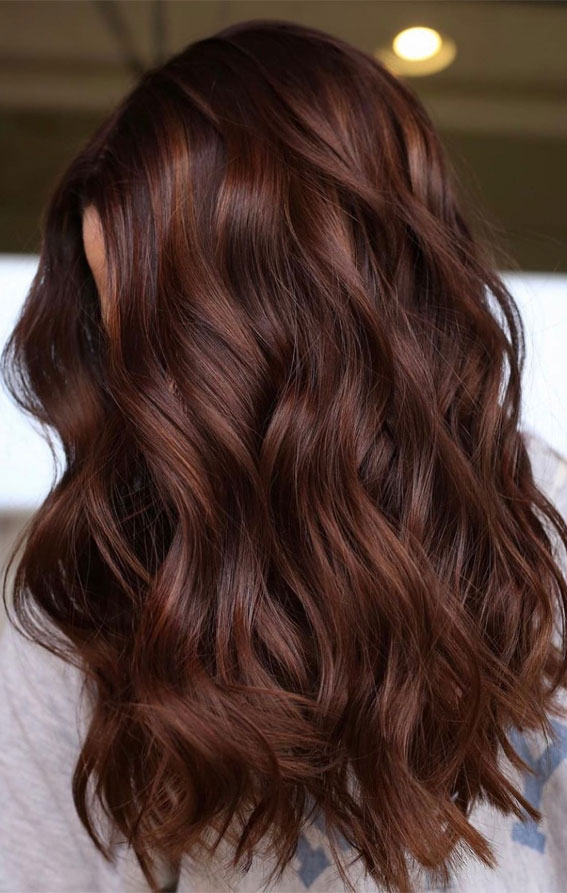
Dark chestnut is a warm, reddish-brown shade that’s slightly lighter and more approachable than espresso, striking a balance between “safe brunette” and “seasonal statement.” The color principle centers on warmth — chestnut always carries a red or golden undertone rather than the ashy, cool tones common in other browns. For dimension, ask for subtle caramel ribbons through the lengths. A practical tip: chestnut looks best with glossy, healthy-looking hair, so pair your color appointment with a bond-repair treatment to maximize shine. This shade complements both traditional layered cuts and modern blunt styles, and it addresses the frequent request for a brunette that still feels warm and “fall” without any bold red or orange.
15. Copper Money Piece
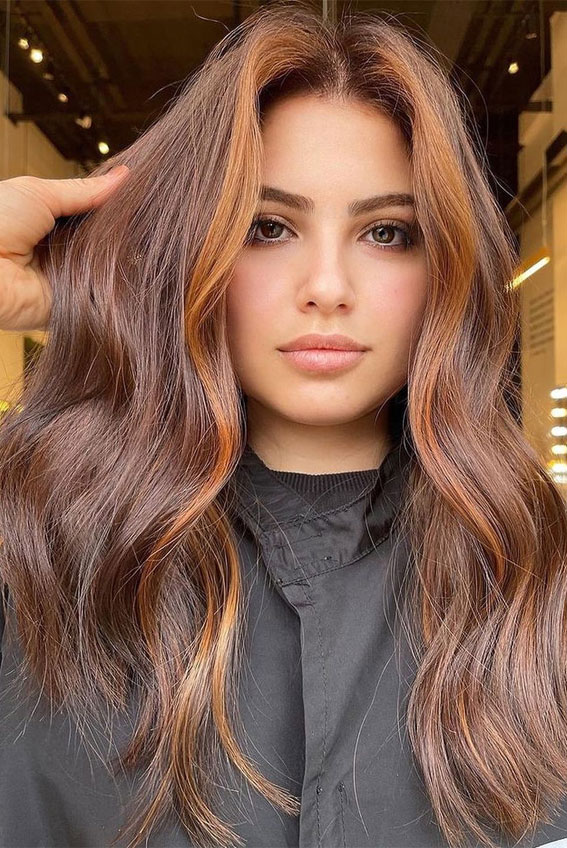
The “money piece” trend — a bold, face-framing highlight — gets a seasonal makeover here with copper instead of the usual blonde. This technique keeps the rest of your natural or base color untouched, focusing all the color payoff on two thick pieces framing your face. It’s a fantastic low-commitment option since only a small section needs regular maintenance. For best results, request a slightly warmer copper than you think you want, since it will look lighter once dry and styled. My tip: this style photographs beautifully because the copper pieces catch light directly around your face, brightening your complexion in every selfie. It works with virtually any base color and any hairstyle, and it solves the dilemma of wanting a fall color change on a budget or timeline that doesn’t allow for a full-head process.
16. Spiced Cider Ombre
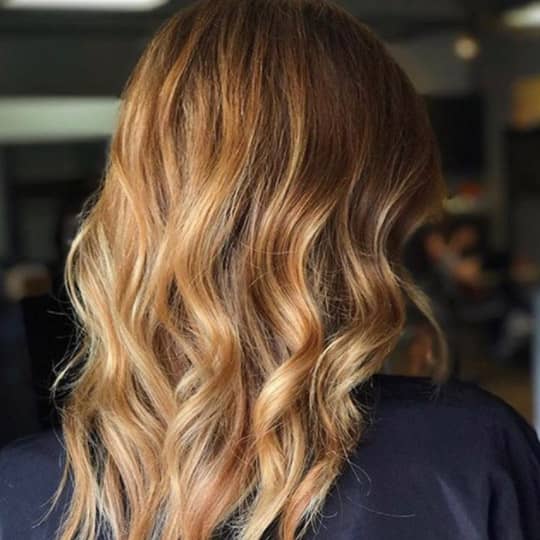
Spiced cider ombre uses a gradual, top-to-bottom transition from a natural or slightly deepened brown root into a warm, reddish-amber “cider” tone at the ends. Unlike balayage, ombre creates a more deliberate, graduated effect rather than hand-painted pieces, which some people prefer for its bolder visual statement. Color combination-wise, aim for three shades: natural brown, medium auburn, and a lighter cinnamon-amber at the very ends. A practical tip: because ombre concentrates color at the ends where hair is oldest and most damaged, a monthly protein treatment helps prevent breakage and keeps the color looking vibrant rather than dull. This works particularly well on long hair where the gradient has room to develop, and it solves the challenge of wanting noticeable color without foils scattered throughout the whole head.
17. Dark Chocolate with Red Undertones
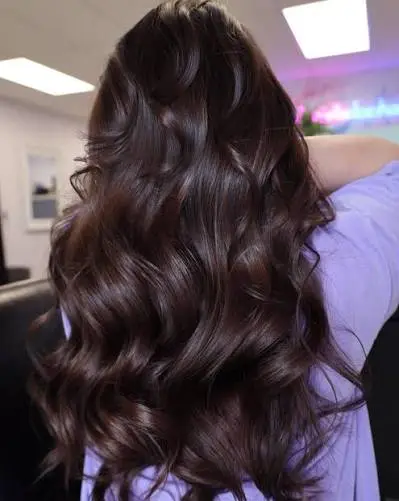
This final shade takes a rich, near-black chocolate brown and infuses it with a subtle red undertone that only becomes visible in direct sunlight — a color that reads sophisticated and mysterious indoors, then reveals warmth outdoors. Achieving the red undertone (rather than a flat, cool-toned black-brown) typically requires a demi-permanent red gloss applied over the brown base. This is one of the most versatile fall shades because it works on virtually any skin tone and pairs with any hairstyle from pixie cuts to waist-length waves. A practical tip: request this gloss be refreshed every six weeks, since the subtle red is the first tone to fade, leaving you with a plain dark brown if neglected. This color solves the common problem of wanting “dark but not boring” without going as bold as full burgundy or mahogany.
Fall Hair Colors by Skin Tone
Picking a shade that flatters your undertone makes the difference between a color that looks expensive and one that looks slightly off. Use this table as a quick reference before your next appointment.
Skin Tone and Color Pairing Guide
| Skin Undertone | Best Fall Colors | Colors to Approach Carefully |
|---|---|---|
| Cool (pink/blue undertones) | Plum aubergine, deep burgundy wine, mahogany red | Golden amber, terracotta (can look muddy) |
| Warm (yellow/golden undertones) | Copper cinnamon, pumpkin spice balayage, golden amber glow, terracotta red | Ash-based or very cool plum tones |
| Neutral | Chocolate caramel melt, honey brown highlights, dark chestnut | Very few restrictions — most shades work |
| Deep/rich skin tones | Espresso brown, dark chocolate with red undertones, rich auburn, spiced cider ombre | Very pale, icy tones that wash out contrast |
| Fair/light skin tones | Toffee blonde, bronze balayage, copper money piece | Extremely dark, flat black-browns without warmth |
Maintenance and Cost Comparison
Fall colors vary enormously in how much upkeep they demand. Here’s a realistic breakdown so you know what you’re signing up for before you book.
Fall Hair Color Maintenance at a Glance
| Color | Root Touch-Up Frequency | Gloss/Toner Refresh | Estimated Salon Cost Range |
|---|---|---|---|
| Copper Cinnamon | 6–8 weeks | 4–6 weeks | $120–$250 |
| Pumpkin Spice Balayage | 10–14 weeks | 6–8 weeks | $150–$350 |
| Deep Burgundy Wine | 6–8 weeks | 4–5 weeks | $100–$220 |
| Chocolate Caramel Melt | 10–12 weeks | 8 weeks | $160–$320 |
| Espresso Brown | 10–12 weeks | 4–6 weeks | $80–$180 |
| Toffee Blonde | 6–8 weeks | 2 weeks (purple shampoo) | $150–$300 |
| Plum Aubergine | 6–8 weeks | 4–6 weeks | $130–$280 |
| Copper Money Piece | 8–10 weeks (small section) | 4–6 weeks | $70–$150 |
Prices vary widely by region, salon tier, and how much lightening your natural hair requires, so treat these as general planning ranges rather than guaranteed quotes.
Common Mistakes and How to Avoid Them
Even a well-chosen fall color can go wrong in the execution. Here are the mistakes I see most often, along with how to sidestep each one.
Skipping the strand test : Especially with reds, burgundies, and coppers, hair that’s been previously colored or lightened can absorb pigment unevenly. A strand test five to ten minutes before your full appointment prevents an unpleasant surprise.
Choosing color based on a photo alone : Lighting, camera filters, and the model’s starting hair color all affect how a shade appears online. Bring reference photos, but let your colorist adjust the formula for your actual base color and skin tone.
Ignoring your hair’s condition : Damaged or over-processed hair grabs color unevenly and fades faster. A bond-repair or protein treatment in the weeks before coloring makes a noticeable difference in how vibrant and even the final result looks.
Overwashing right after coloring : Freshly colored hair needs 48 to 72 hours before its first wash to let the cuticle fully close around the pigment. Washing too soon is one of the fastest ways to lose vibrancy.
Using the wrong shampoo for your tone : Purple shampoo is designed to neutralize yellow and brassy tones, which makes it wrong for warm colors like copper or auburn that need to retain their warmth. Match your maintenance products to your actual color family.
Going too dramatic without a plan for grow-out : Bold shades like plum or terracotta often require pre-lightening, which means a visible line as your natural color grows back in. Discuss a grow-out strategy — like root shadowing — before committing.
Similar Variations Worth Exploring
If none of the 17 ideas above feel like an exact fit, these closely related variations offer a similar mood with a slightly different execution.
- Root smudge with copper ends — a softer alternative to full copper cinnamon that blends darker roots into copper tips without a hard line.
- Cinnamon swirl highlights — thin, twisting ribbons of copper and caramel woven through a brown base for subtle movement.
- Autumn sunset balayage — a three-tone blend of red, orange, and gold, more saturated than pumpkin spice balayage.
- Cognac brown — a warmer, slightly lighter cousin of dark chestnut with more amber in the mix.
- Berry-toned brunette — a muted, brownish version of plum aubergine for anyone wanting hints of purple without full commitment.
Hair Care Tips for Fall Hair Color
Keeping any fall shade looking fresh comes down to consistent, simple habits rather than expensive products alone.
- Switch to a color-safe, sulfate-free shampoo. Sulfates strip color quickly, especially from red and copper tones.
- Wash with cool water. Hot water opens the hair cuticle and accelerates fading, particularly for warm and red-based shades.
- Deep condition weekly. Coloring is inherently drying, and fall’s lower humidity compounds the effect, so a weekly mask keeps strands from feeling brittle.
- Use UV-protectant spray. Sun exposure fades color even in cooler months, especially on exposed hair like ponytails or braids.
- Book gloss refreshes on schedule. A gloss doesn’t lighten or majorly alter your color, but it restores vibrancy and shine between full color appointments.
- Limit heat styling. Combine color processing with daily heat styling and you’ll see faster fading and more dryness — a heat protectant spray is non-negotiable if you’re not willing to cut back.
Final Thoughts
Fall hair color ideas work best when you match the shade to your skin tone, your maintenance tolerance, and how dramatic a change you’re actually ready for. Whether you land on a bold plum aubergine or ease in with a subtle copper money piece, the real secret to a color that lasts through the season is proper aftercare — cool water, the right shampoo, and consistent gloss touch-ups.
I hope this guide gave you a clearer picture of which fall hair color idea suits you best, along with the practical details competitors often skip, like realistic cost ranges, skin tone pairings, and the maintenance schedule you’ll actually be living with. Bring a couple of these ideas to your next salon consultation, and you’ll walk in prepared instead of just hopeful.