
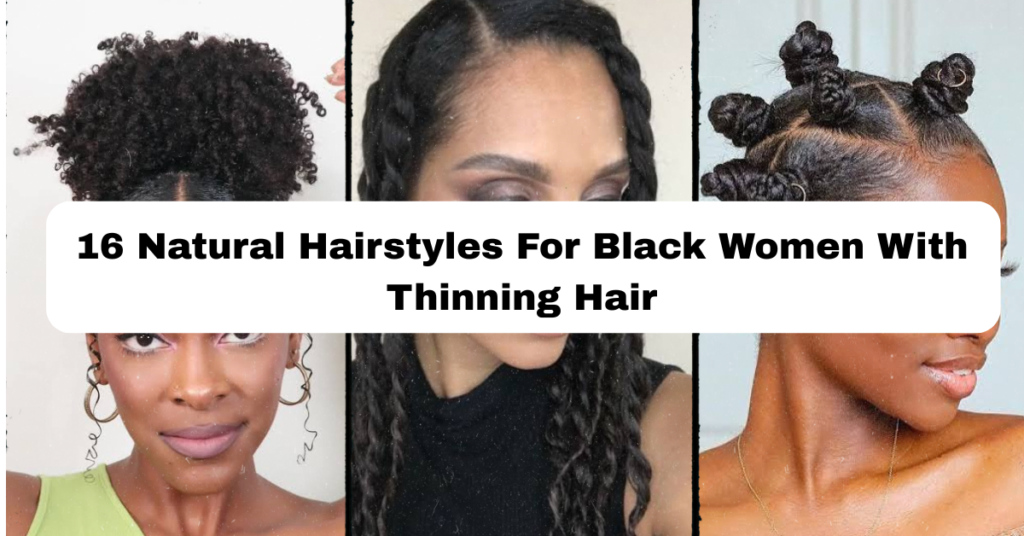
If you are suffering from thinning edges and hairline, natural hairstyles for black women with thinning hair will literally turn your life upside down when it comes to getting dressed in the morning. I have been doing extensive research on low tension hairstyles, and I would love to explain to you in detail what to do, how to do it, and how not to make thinning hair even thinner.
What are the best natural hairstyles for black women with thinning hair? Low-manipulation hairstyles such as twist-out, silk press, pineapple updo, and loose two-strand twist are the best styles. They do not put any strain on the roots and do not cause any breakage.
Stay tuned, as I will be also sharing the worst styling habits that lead to additional hair loss, along with a hair care routine to promote new growth in thinning areas.
Why Thinning Hair Needs a Different Styling Approach
Thinning hair isn’t just about length or volume. It’s about tension, friction, and how much stress your scalp can actually handle before it fights back. I always tell people that the style itself matters less than how it’s installed. A twist-out done with rough detangling can do more damage than a protective style done gently. Genetics, postpartum shedding, traction alopecia, and even stress can all cause thinning, so the goal here is picking styles that work with your hair’s current state, not against it.
1. The Pineapple Updo

This one is a lifesaver on wash days and in-between days alike. Gather your curls loosely at the very top of your head using a soft scrunchie, leaving your edges completely untouched. The pineapple protects curl definition overnight and skips any pulling near your hairline, which is usually the most fragile area. Pair it with a satin bonnet for extra protection. It works beautifully for 3B through 4C curl patterns and suits both casual and polished aesthetics depending on how neat you make the front.
As a quick tip, lightly moisturize your roots before pineappling so they don’t dry out overnight. This leads nicely into another root-friendly option below.
2. Loose Two-Strand Twists

Two-strand twists are a classic for a reason, but the trick with thinning hair is sizing. Go bigger than you normally would. Larger twists mean fewer twists overall, which means less handling and less tension on your scalp. Use a lightweight curling cream instead of heavy gel, since buildup can weigh down already-weak strands.
This style flatters an oval or heart-shaped face and can be worn sleek for work or fluffed out for a weekend look. Avoid twisting all the way to the root with a tight grip; instead, twist with a relaxed hand. Next, let’s talk about a style that takes twists even further with zero tension.
3. Bantu Knot-Out

A bantu knot-out gives you defined, spiraled curls without ever using heat. Section your hair into a handful of large parts, twist each one, then coil it into a knot and secure it loosely. Sleep on it, unravel in the morning, and you’re left with bouncy, romantic curls. Because the knots sit away from the scalp once wrapped, there’s very little root tension involved. This look suits round faces especially well since the volume sits mid-length rather than at the crown.
A helpful tip: finger-detangle before knotting rather than combing, since combing repeatedly through thinning strands adds unnecessary stress. Now let’s move to a style built for days you want to wear your hair completely down.
4. Wash-and-Go With Diffused Curls

Sometimes the healthiest thing you can do is leave your curls alone. A wash-and-go, styled with a diffuser on low heat and low speed, skips manipulation almost entirely. Apply a curl cream and leave-in conditioner using the praying hands method rather than raking with your fingers, which reduces breakage at fragile points. This style works for anyone but shines on medium to long natural hair with defined curl patterns. It gives a soft, natural silhouette that suits both traditional and modern aesthetics.
One tip: diffuse in sections rather than all at once for even curl formation. From here, let’s look at an updo that hides thinning spots at the crown.
5. Low Bun With a Silk Scarf Wrap
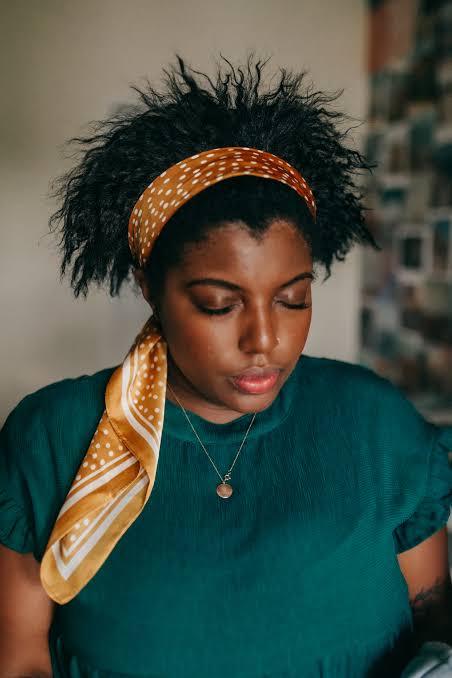
A low bun sitting at the nape avoids the crown and edges completely, which makes it ideal if your thinning is concentrated up top. Gather hair gently, twist it into a loose coil, and wrap the base in a thin silk scarf before pinning. The scarf adds a decorative element while covering the elastic, so there’s no metal or plastic snagging fine strands. This look pairs beautifully with hoop earrings for a polished, traditional-meets-modern vibe. Keep the bun loose rather than slicked tight, since tightness at the nape can cause its own thinning over time. Speaking of gentle updos, here’s one with a bit more texture.
6. Flat Twist Updo

Flat twists worked close to the scalp but with a relaxed grip create a beautiful sculpted look while protecting length. Rather than braiding tightly, twist two strands over each other in a flat pattern leading into a bun or twisted knot at the back. This style is a favorite for special occasions because it looks intentional and elegant, yet it’s genuinely gentle if done with patience. It flatters every face shape since the styling can be adjusted to add or reduce width near the temples. A key tip: have your stylist use a rat-tail comb sparingly, since repeated parting friction is a hidden thinning trigger. Next, let’s cover a style that’s perfect for humid days.
7. Braided Updo With Extensions Left Loose at the Root
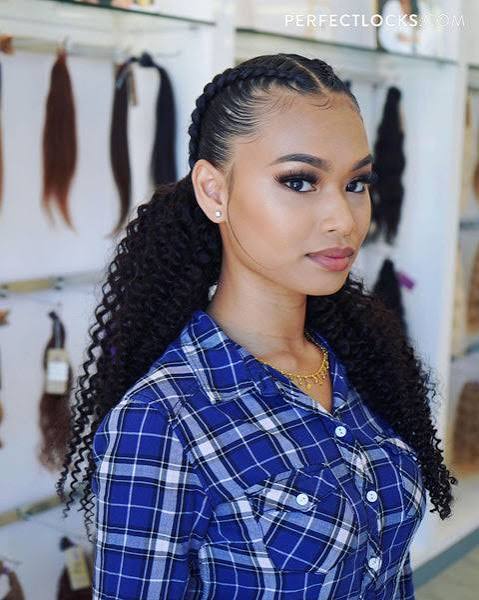
Adding lightweight braiding hair can create volume without weight sitting directly on your scalp, as long as the braids start with a loose foundation. Ask your braider to leave slightly more slack at the root instead of the usual tight start. This reduces the traction alopecia risk that’s common with box braids or cornrows. It’s a versatile style, dressy enough for weddings and relaxed enough for everyday wear. A smart tip is limiting braid thickness to medium or large, since thinner braids require more root tension to hold. This brings us to a style with almost no added weight at all.
8. Finger Coils

Finger coils are created by twisting small sections of hair around your finger, resulting in tight, defined spirals with zero added extensions or heat. This style is wonderfully gentle since there’s no pulling, no elastic, and no combing involved once the coils are formed. It suits shorter natural hair especially well, giving a polished, sculptural look that leans modern and clean. A tip worth remembering: use a curl-defining gel sparingly, since too much product can clump thinning strands together and look patchy. Let’s transition now to something a little more elegant for special events.
9. Curly Half-Up, Half-Down Style
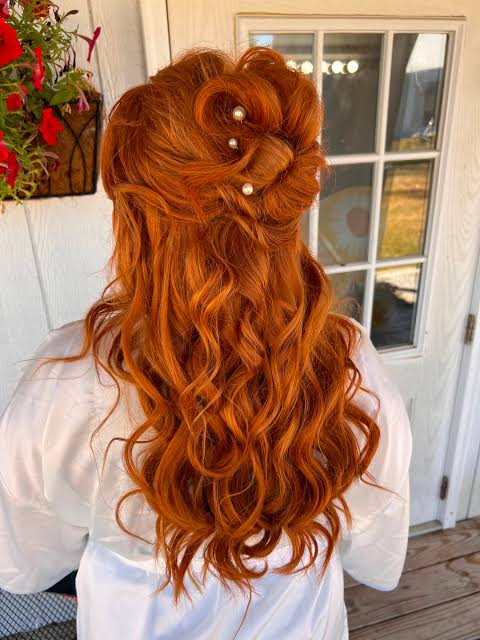
This style lifts hair away from your face while letting the rest fall naturally, splitting the tension between two zones instead of concentrating it at the crown. Section the top half, secure it loosely with a fabric-covered clip, and let your curls do the rest. It’s an easygoing look that works for brunch, work, or a night out. This style favors longer natural hair but can be adapted for shorter lengths using smaller sections. A useful tip: skip metal clips entirely, since they can snag and break fragile strands near the part line. Now let’s look at a fully protective option for the colder months.
10. Silk Press With Bantu Knot Curls
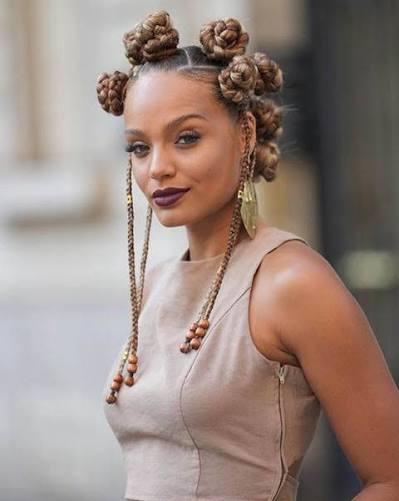
A silk press gives you sleek, straightened hair using tension-free blow-drying and flat-ironing techniques, then bantu knots at the ends create soft curls without daily heat exposure. This combination minimizes ongoing manipulation since you’re not restyling every day. It works well on all curl types and gives a smooth, sophisticated look that suits professional settings. The key tip here is limiting silk presses to once every few weeks, since repeated heat is one of the fastest ways to worsen thinning. From heat styling, let’s shift to something entirely heat-free and low-tension.
11. Twisted Updo With a Headwrap

Twist your hair loosely into two or three large sections and pin them into a simple updo, then finish with a patterned headwrap covering the base and edges. This is one of the gentlest options on this list because your edges are fully covered and protected from friction, sun, and wind. It’s a striking look that pairs traditional African print fabrics with a modern silhouette. A helpful tip: choose wraps made from breathable cotton rather than synthetic fabric to avoid trapping moisture against thinning areas. Next, a style built specifically around volume.
12. Voluminous Afro Puff

An afro puff styled loosely at the crown, rather than pulled tight, creates the illusion of fullness while resting weight evenly across the scalp instead of concentrating it at one point. Use a scrunchie instead of a thin elastic, and backcomb gently at the base for extra lift if your hair allows it. This style flatters nearly every face shape and feels equally at home in casual and bold, statement-making contexts. A tip that matters here: avoid daily repositioning, since constantly redoing a puff adds up to significant handling over a week. Let’s move to a style that hides thinning through strategic parting.
13. Side-Swept Twist-Out
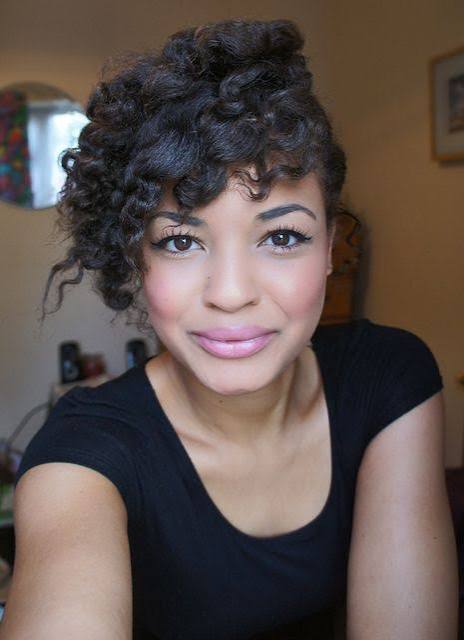
A twist-out styled with a deep side part draws attention away from a thinning crown or receding hairline by shifting visual weight to one side. Set twists overnight on stretched, moisturized hair, then unravel and gently separate curls with your fingers rather than a brush. This look suits oval and square face shapes particularly well and adapts easily from daytime casual to evening polished. A tip worth trying: use a lightweight edge cream only where needed, since heavy edge control products can clog follicles over time. Now for a style that combines protection with a bit of glam.
14. Accessorized Cornrow Design (Loose Root Version)

Simple, wide cornrows following a curved or geometric pattern can look striking, especially with a few gold cuffs or beads added at the ends. The important adjustment for thinning hair is asking for wider rows and a looser foundation at the scalp, which distributes tension across a larger surface area. This style works for both special occasions and everyday protective wear. A practical tip: limit wear time to two or three weeks maximum, since prolonged tension, even when loose, still adds up. From here, let’s look at a style built entirely around softness.
15. Loose Curly Shag With Layers
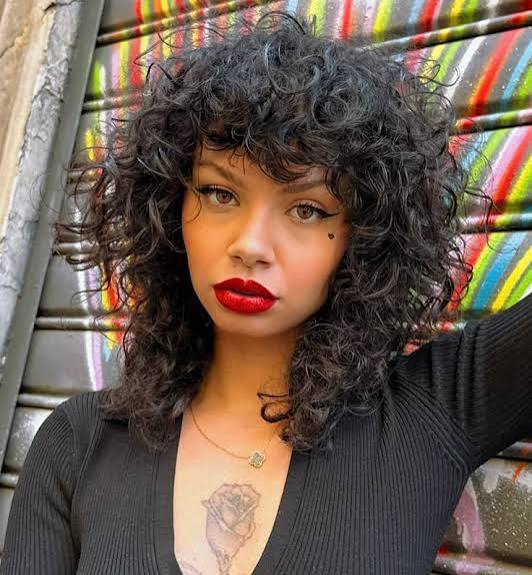
If your natural hair has visible thinning in patches, a layered shag cut styled with natural curls can add movement that visually camouflages uneven density. Layers create the appearance of texture and volume rather than relying on thickness alone. This cut suits nearly every curl pattern and works well for people wanting a lower-maintenance everyday look. A tip that helps: ask your stylist to point-cut rather than blunt-cut layers, since point-cutting reduces bulk without over-thinning already fragile sections. Finally, let’s close out with the simplest option on this entire list.
16. Simple Moisturized Wash-Day Style

Sometimes the best hairstyle is barely a style at all. On wash day, apply a leave-in conditioner and light oil, finger-detangle from ends to roots, and let hair air-dry loosely without any tension. This isn’t glamorous, but it gives your scalp a genuine rest day between more structured styles. It works for every hair type and every occasion simply because it’s about recovery, not appearance. A tip to remember: rest days matter just as much as styling choices when you’re trying to reduce thinning over time.
Hairstyle Comparison at a Glance
Tension Level and Best Use Case by Style
| Hairstyle | Tension Level | Best For | Approx. Time to Style |
|---|---|---|---|
| Pineapple Updo | Very Low | Overnight protection | 2–3 minutes |
| Loose Two-Strand Twists | Low | Daily wear | 30–45 minutes |
| Bantu Knot-Out | Low | Heatless curls | 40–60 minutes |
| Wash-and-Go | Very Low | Minimal manipulation | 15–20 minutes |
| Low Bun With Scarf | Low | Work or formal settings | 10 minutes |
| Flat Twist Updo | Moderate | Special occasions | 45–60 minutes |
| Braided Updo (Loose Root) | Moderate | Extended protective wear | 2–4 hours |
| Finger Coils | Low | Short hair, defined curls | 30–50 minutes |
| Half-Up, Half-Down | Low | Everyday versatility | 10–15 minutes |
| Silk Press With Knots | Moderate | Sleek, low-daily-effort looks | 60–90 minutes |
| Twisted Updo With Headwrap | Very Low | Maximum edge protection | 15 minutes |
| Voluminous Afro Puff | Low | Volume without pulling | 5–10 minutes |
| Side-Swept Twist-Out | Low | Camouflaging a receding hairline | 40–60 minutes |
| Loose Cornrows (Wide Rows) | Moderate | Longer-term protective style | 1–3 hours |
| Layered Curly Shag | Low | Camouflaging patchy density | Salon cut, then minimal daily |
| Simple Wash-Day Style | Very Low | Scalp recovery days | 20 minutes |
Common Mistakes and How to Avoid Them
Tight elastics : Thin hair ties and rubber bands grip strands hard enough to snap them. Switch to fabric-covered scrunchies or silk-based hair ties instead.
Skipping trims : Split ends travel upward and weaken hair further up the shaft. A trim every 10 to 12 weeks keeps damage from spreading.
Over-brushing : Repeated brushing, especially with plastic bristles, creates friction that thinning hair can’t recover from as easily. Finger-detangle first, then follow with a wide-tooth comb only.
Reusing the same part line : Parting hair the exact same way every day concentrates stress on one line of the scalp. Shift your part slightly every few washes.
Heavy product buildup : Thick gels and butters can weigh down and suffocate weak strands at the follicle. Choose lightweight, water-based leave-ins instead.
Sleeping on cotton pillowcases : Cotton pulls moisture from hair and creates friction overnight. A satin or silk pillowcase, or a bonnet, solves both problems at once.
Similar Variations Worth Trying
- Micro twist-outs: smaller twists for tighter, more defined curls, best reserved for hair that isn’t currently shedding heavily.
- Puff with a twisted headband: combines the afro puff with a soft fabric wrap for extra styling variety.
- Loc-inspired faux locs (lightweight version): crocheted rather than wrapped tightly, reducing root tension considerably.
- Curl-defined bob (natural texture): a shorter cut that reduces overall weight pulling on the scalp.
- Twisted bun with baby hair styling: a dressier take on the low bun that still avoids edge tension.
Hair Care Tips for Natural Hairstyles for Black Women With Thinning Hair
- Moisturize your scalp directly, not just your strands, using lightweight oils like jojoba or grapeseed.
- Deep condition weekly with a protein-moisture balanced treatment to strengthen weak areas.
- Massage your scalp for five minutes a few times a week to support circulation.
- Reduce heat styling to no more than once every two to three weeks.
- Sleep in silk or satin, every single night, without exception.
- Consider a dermatologist visit if thinning is sudden, patchy, or accompanied by scalp irritation, since underlying causes need proper diagnosis.
Final Thoughts
Choosing the right natural hairstyles for black women with thinning hair really comes down to reducing tension wherever you can and giving your scalp room to recover between styles. None of the looks above require sacrificing style for the sake of hair health; they simply ask you to be a little more intentional about how you install them.
Try rotating through two or three of these styles rather than sticking to just one, since variety itself reduces repetitive stress on any single area. With patience and the right routine, thinning hair can absolutely improve, and these natural hairstyles for black women with thinning hair are a great place to start.